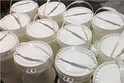
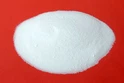
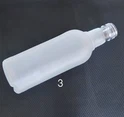
When it comes to using flat glass frosting powder, achieving an even frosting effect is crucial for the overall aesthetic and quality of the glass product. As a leading supplier of flat glass frosting powder, I understand the challenges that customers may face, especially when dealing with uneven frosting. In this blog post, I will share some practical troubleshooting tips to help you address this issue and ensure a smooth and consistent frosting process.
Understanding the Causes of Uneven Frosting
Before we dive into the troubleshooting steps, it's important to understand the potential causes of uneven frosting. Here are some common factors that can contribute to this problem:
- Inconsistent Application: Uneven spreading of the frosting powder on the glass surface can result in patchy or streaky frosting. This can happen if the powder is not applied evenly or if the application tool is not used correctly.
- Poor Surface Preparation: If the glass surface is not properly cleaned and prepped before applying the frosting powder, it can affect the adhesion and distribution of the powder, leading to uneven results.
- Incorrect Mixing Ratio: Using the wrong ratio of frosting powder to water or other additives can also cause uneven frosting. If the mixture is too thick or too thin, it may not spread evenly on the glass surface.
- Environmental Factors: Temperature, humidity, and air circulation can all impact the frosting process. Extreme temperatures or high humidity levels can cause the frosting powder to dry too quickly or too slowly, resulting in uneven frosting.
Troubleshooting Steps
Now that we've identified the potential causes of uneven frosting, let's take a look at some troubleshooting steps you can take to address the issue:


1. Check the Surface Preparation
- Clean the Glass Thoroughly: Start by cleaning the glass surface with a mild detergent and water to remove any dirt, grease, or fingerprints. Rinse the glass thoroughly and dry it with a clean, lint-free cloth.
- Inspect for Imperfections: Look for any scratches, chips, or other imperfections on the glass surface. These can affect the adhesion of the frosting powder and cause uneven results. If you find any imperfections, you may need to repair or replace the glass before proceeding.
- Etch the Glass (Optional): For a more even frosting effect, you can etch the glass surface using an etching cream or solution. This will create a rough surface for the frosting powder to adhere to, resulting in a more consistent finish. Follow the manufacturer's instructions carefully when using an etching product.
2. Ensure Proper Application
- Use the Right Application Tool: Choose an appropriate application tool, such as a sponge, brush, or spray gun, depending on the size and shape of the glass surface. Make sure the tool is clean and dry before use.
- Apply the Frosting Powder Evenly: Spread the frosting powder evenly on the glass surface using the application tool. Work in small sections and apply the powder in a thin, consistent layer. Avoid applying too much powder in one area, as this can cause clumping and uneven frosting.
- Smooth Out the Surface: After applying the frosting powder, use a clean, dry cloth or sponge to smooth out the surface and remove any excess powder. This will help to ensure a more even finish.
3. Check the Mixing Ratio
- Follow the Manufacturer's Instructions: Always follow the manufacturer's instructions when mixing the frosting powder with water or other additives. Use a measuring cup or scale to ensure accurate measurements.
- Adjust the Consistency: If the mixture is too thick, add a small amount of water or other thinning agent to the mixture and stir well. If the mixture is too thin, add a small amount of frosting powder and stir until the desired consistency is achieved.
- Test the Mixture: Before applying the frosting powder to the entire glass surface, test the mixture on a small, inconspicuous area of the glass to ensure that it spreads evenly and produces the desired frosting effect.
4. Control the Environmental Conditions
- Maintain a Consistent Temperature: Keep the temperature in the work area between 60°F and 80°F (15°C and 27°C) for optimal frosting results. Avoid working in extreme temperatures or direct sunlight, as this can cause the frosting powder to dry too quickly or too slowly.
- Reduce Humidity: High humidity levels can cause the frosting powder to dry too slowly and result in uneven frosting. Use a dehumidifier or air conditioner to reduce the humidity in the work area.
- Ensure Proper Air Circulation: Good air circulation is important for the frosting process. Make sure the work area is well-ventilated to prevent the buildup of fumes and moisture.
5. Consider the Type of Frosting Powder
- Choose the Right Product: Different types of frosting powder may produce different results. Consider the specific requirements of your project and choose a frosting powder that is suitable for your needs. For example, Cosmetic Glass Frosting Powder is designed to create a smooth, satin finish on cosmetic glass bottles, while Satin Effect For Cosmetic Glass Bottle can provide a more textured, matte finish.
- Test Different Products: If you're having trouble achieving an even frosting effect with one type of frosting powder, try using a different product. Some frosting powders may be more forgiving and easier to work with than others.
Additional Tips
- Practice on Scrap Glass: Before applying the frosting powder to your final glass product, practice on a scrap piece of glass to get a feel for the application process and to test different techniques.
- Work in Small Batches: If you're working on a large glass surface, it's best to work in small batches to ensure that the frosting powder doesn't dry too quickly. This will give you more time to spread the powder evenly and achieve a consistent finish.
- Allow Sufficient Drying Time: After applying the frosting powder, allow it to dry completely before handling or using the glass product. The drying time will depend on the type of frosting powder and the environmental conditions. Follow the manufacturer's instructions for the recommended drying time.
Conclusion
Uneven frosting can be a frustrating problem when using flat glass frosting powder, but with the right troubleshooting steps and techniques, you can achieve a smooth and consistent frosting effect. By following the tips outlined in this blog post, you can address the potential causes of uneven frosting and ensure a successful frosting process.
If you have any further questions or need assistance with troubleshooting uneven frosting, please don't hesitate to contact us. As a trusted supplier of flat glass frosting powder, we are committed to providing our customers with high-quality products and excellent customer service. We also offer a wide range of Cosmetic Glass Frosting Powder, Satin Effect For Cosmetic Glass Bottle, and Cosmetic Bottle With Oil-Sand Surface to meet your specific needs. Contact us today to learn more about our products and to discuss your project requirements.
References
- Manufacturer's instructions for flat glass frosting powder
- Industry best practices for glass frosting
- Personal experience and expertise as a flat glass frosting powder supplier