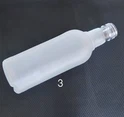
As a supplier of Frosted Glass Material, I've often been asked about the potential applications of our products in various settings. One question that has come up frequently is whether frosted glass material can be used in museums. In this blog post, I'll explore the possibilities and considerations of using frosted glass in museum environments.
Advantages of Frosted Glass in Museums
1. Light Diffusion and Glare Reduction
Museums are places where artworks, artifacts, and historical items are displayed. Proper lighting is crucial to showcase these treasures effectively. Frosted glass has the ability to diffuse light evenly, reducing harsh glares and reflections. This is especially important when dealing with paintings, sculptures, or delicate artifacts that can be easily affected by direct light. By using frosted glass in display cases or partitions, museum curators can ensure that visitors can view the exhibits clearly without being distracted by glare.
For example, in a museum with large windows, sunlight can cause significant glare on display cases. Installing frosted glass panels on the windows can help to soften the light and create a more comfortable viewing environment. Similarly, in galleries with artificial lighting, frosted glass can be used to distribute light more evenly, enhancing the overall aesthetic appeal of the exhibits.
2. Privacy and Protection
Some museum exhibits may require a certain level of privacy or protection. Frosted glass can provide a semi - transparent barrier that allows visitors to have a general sense of what's inside a display area while still maintaining a degree of privacy. This can be useful for displaying sensitive or valuable items, such as ancient manuscripts or rare jewels.
Moreover, frosted glass can act as a physical barrier to protect the exhibits from accidental damage. It is more durable than regular glass in some cases and can withstand minor impacts. For instance, in a children's museum or a high - traffic area, frosted glass display cases can prevent children or visitors from accidentally touching or knocking over the exhibits.
3. Aesthetic Appeal
Frosted glass adds a touch of elegance and sophistication to any space. In a museum, it can enhance the overall design and atmosphere. The soft, muted appearance of frosted glass can complement the artworks and artifacts on display, creating a harmonious and visually appealing environment.
Frosted glass can be used in a variety of ways to create different aesthetic effects. For example, it can be used to create partitions between different galleries, adding a sense of separation and mystery. It can also be used as a backdrop for exhibits, providing a neutral and unobtrusive surface that allows the artworks to stand out.
4. Customization
Our Frosted Glass Material offers a high degree of customization. We can create frosted glass with different levels of opacity, patterns, and textures to meet the specific needs of museums. For example, we can create a frosted glass with a subtle pattern that mimics the texture of an ancient parchment, which can be used to display historical documents. Or, we can create a frosted glass with a more modern geometric pattern to add a contemporary touch to a museum's interior design.
Considerations for Using Frosted Glass in Museums
1. Conservation Requirements
Museums have strict conservation requirements to protect the artworks and artifacts from environmental factors such as light, humidity, and air pollution. When using frosted glass, it's important to ensure that it does not have a negative impact on the conservation of the exhibits.
For example, some frosted glass materials may release chemicals or particles over time, which could potentially damage the exhibits. Therefore, it's crucial to choose high - quality frosted glass materials that are tested and approved for museum use. Additionally, the installation of frosted glass should not interfere with the ventilation and humidity control systems in the museum.
2. Cleaning and Maintenance
Frosted glass requires regular cleaning and maintenance to keep it looking its best. In a museum environment, where there are a large number of visitors, the glass may get dirty quickly. It's important to use appropriate cleaning methods and products to avoid scratching or damaging the frosted surface.
Moreover, the cleaning schedule should be carefully planned to minimize disruption to the museum's operations. For example, cleaning should be done during off - peak hours or when the museum is closed to the public.
3. Cost
The cost of using frosted glass in museums can be a significant factor. Frosted glass materials, especially those with high - quality and customization options, can be more expensive than regular glass. Additionally, the installation and maintenance costs should also be taken into account.
However, it's important to consider the long - term benefits of using frosted glass. The improved lighting, protection, and aesthetic appeal can enhance the visitor experience and potentially increase the museum's popularity, which may justify the higher initial investment.
Examples of Frosted Glass Applications in Museums
1. Display Cases
One of the most common applications of frosted glass in museums is in display cases. Frosted glass display cases can be used to showcase a wide range of exhibits, from small artifacts to large sculptures. The frosted glass provides a clear view of the exhibits while reducing glare and protecting them from dust and damage.
For example, a museum of natural history may use frosted glass display cases to show off its collection of fossils. The frosted glass allows visitors to see the details of the fossils clearly without being distracted by reflections.
2. Partitions and Dividers
Frosted glass can also be used to create partitions and dividers between different galleries or exhibition areas. This can help to create a sense of separation and organization within the museum.
In a modern art museum, frosted glass partitions can be used to divide the gallery into smaller, more intimate spaces. The semi - transparent nature of the frosted glass allows visitors to have a glimpse of the exhibits in adjacent areas, creating a sense of continuity and exploration.
3. Windows and Skylights
As mentioned earlier, frosted glass can be used in windows and skylights to control light and reduce glare. In a museum with a lot of natural light, frosted glass can help to create a more comfortable and balanced lighting environment.


For example, a museum located in a sunny area may use frosted glass skylights to let in natural light while preventing direct sunlight from shining on the exhibits. This can help to preserve the color and integrity of the artworks over time.
Other Applications of Frosted Glass Material
Our frosted glass material has a wide range of applications beyond museums. For example, it can be used in the cosmetic industry to create a Satin Effect For Cosmetic Glass Bottle. The frosted surface of the glass bottle gives it a luxurious and elegant look, which is very popular among consumers.
In the home appliance industry, frosted glass can be used on refrigerators to create a Super Touch Glass On Refrigerator. The frosted glass not only looks stylish but also provides a smooth and easy - to - clean surface.
Conclusion
In conclusion, frosted glass material can be a valuable addition to museums. Its advantages in light diffusion, privacy, protection, aesthetic appeal, and customization make it a suitable choice for various museum applications. However, it's important to consider the conservation requirements, cleaning and maintenance, and cost factors when using frosted glass in museums.
If you are a museum curator, designer, or decision - maker interested in using our frosted glass material, we would be more than happy to discuss your specific needs and requirements. Our team of experts can provide you with detailed information, samples, and quotes. Contact us today to start a conversation about how our frosted glass material can enhance your museum's exhibits and environment.
References
- Museum Lighting Guidelines, International Council of Museums (ICOM)
- Glass Conservation and Restoration Handbook, The Getty Conservation Institute