As a supplier of acid - etched glass, I've faced numerous challenges in ensuring that our delicate products reach our customers in pristine condition. Packaging plays a pivotal role in this process, as acid - etched glass is not only fragile but also has a unique surface finish that needs protection. In this blog, I'll share what I believe is the best way to package acid - etched glass for shipping.
Understanding the Characteristics of Acid - Etched Glass
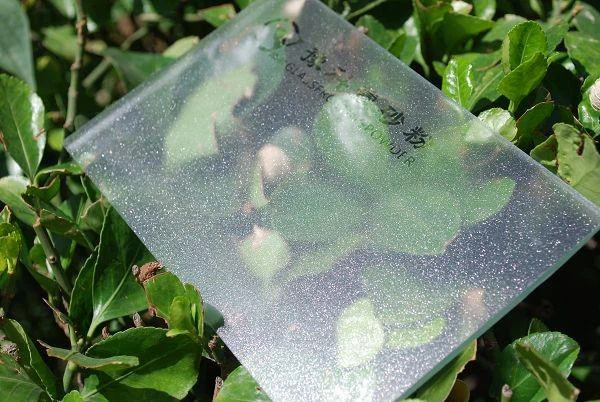
Before delving into the packaging methods, it's essential to understand the nature of acid - etched glass. Acid - etched glass is created by treating the surface of ordinary glass with acid chemicals. This process gives the glass a frosted appearance, which is not only aesthetically pleasing but also provides privacy. You can learn more about Etching Glass by Acid Chemical.
The etched surface is more vulnerable compared to regular glass surfaces. It can be easily scratched, chipped, or damaged during transit. Additionally, the edges of the glass are also a weak point, as they can break off if not properly protected.
Selecting the Right Packaging Materials
Inner Layers
- Soft Protective Sheets: The first line of defense for acid - etched glass is a soft, non - abrasive protective sheet. Materials like polyethylene foam or bubble wrap are excellent choices. These sheets create a cushioning layer between the glass pieces, preventing them from rubbing against each other and causing scratches. For larger glass panels, multiple layers of bubble wrap can be used to provide extra protection.
- Paper Interlayers: Acid - free paper can also be used as an interlayer between glass pieces. It not only protects the etched surface but also absorbs any moisture that might accumulate during shipping. This is particularly important as moisture can cause the glass to fog or even damage the etched pattern over time.
Outer Containers
- Wooden Crates: For larger and more valuable acid - etched glass pieces, wooden crates are the gold standard. They offer excellent structural support and protection against impacts. The crates should be custom - made to fit the dimensions of the glass precisely. This ensures that the glass doesn't move around inside the crate during transit. The interior of the crate can be lined with additional padding materials, such as foam or rubber, to further cushion the glass.
- Cardboard Boxes: For smaller glass items, cardboard boxes can be a cost - effective option. However, they need to be of high - quality and have sufficient thickness. Double - walled or triple - walled cardboard boxes are recommended. The boxes should also be reinforced with corner protectors to prevent the corners from collapsing.
Proper Glass Placement and Securing
Orientation
- Vertical vs. Horizontal: When packing acid - etched glass, the orientation matters. In general, it's better to transport glass in a vertical position. This reduces the risk of the glass breaking under its own weight. However, if the glass is too large or the shipping conditions require horizontal placement, extra care must be taken to ensure that the glass is properly supported.
Securing the Glass
- Foam Blocks and Braces: Inside the packaging container, foam blocks or braces can be used to hold the glass in place. These blocks should be placed at strategic points along the edges and corners of the glass. They prevent the glass from shifting during transit and absorbing any shocks or vibrations.
- Strap or Tape: For larger glass panels in wooden crates, straps or tapes can be used to secure the glass to the crate. However, care must be taken to ensure that the straps or tapes do not come into direct contact with the etched surface, as they can leave marks or damage the finish.
Labeling and Handling Instructions
Labeling
- Fragile Labels: Clearly label the packaging with "Fragile" stickers. This alerts the shipping carriers and handlers to take extra care when handling the package. The labels should be large and visible from multiple angles.
- Handling Instructions: In addition to the fragile labels, specific handling instructions can also be provided on the packaging. For example, instructions like "This Side Up" or "Do Not Stack" can help ensure that the glass is transported and stored correctly.
Documentation
- Packing Lists and Certificates: Include a detailed packing list inside the package, which lists the number of glass pieces, their dimensions, and any special features. If the glass has any specific certifications or quality standards, copies of these documents should also be included. This helps in case of any disputes or claims during shipping.
Quality Control Before Shipping
Before sending out the packaged acid - etched glass, a thorough quality control check is essential.

- Visual Inspection: Inspect the glass for any visible damage, such as scratches or chips, before packing. Also, check the packaging to ensure that all the materials are in good condition and properly installed.
- Test the Packaging: For high - value or large - scale shipments, it can be beneficial to conduct a test of the packaging. This can involve simulating the shipping conditions, such as dropping the package from a small height or subjecting it to vibrations. If any issues are found, the packaging can be adjusted accordingly.
The Role of Environmental Factors
Temperature and Humidity
- Climate - Controlled Shipping: Acid - etched glass can be sensitive to extreme temperatures and humidity. If possible, opt for climate - controlled shipping options, especially for long - distance or international shipments. This helps maintain a stable environment for the glass and reduces the risk of damage.
- Desiccants: In the packaging, desiccants can be placed to absorb any excess moisture. Silica gel packets are a common and effective choice. They help keep the interior of the package dry and prevent moisture - related damage to the glass.
Cost - Benefit Analysis
When choosing the packaging method for acid - etched glass, it's important to consider the cost - benefit ratio. While high - quality packaging materials and custom - made crates can be expensive, they can also significantly reduce the risk of damage during shipping. This, in turn, can save money in the long run by avoiding costly returns and replacements.
Conclusion
Packaging acid - etched glass for shipping is a multi - step process that requires careful planning and attention to detail. By selecting the right packaging materials, properly placing and securing the glass, and considering environmental factors, we can ensure that our acid - etched glass products reach our customers in perfect condition.
If you're interested in purchasing our high - quality acid - etched glass products or need more information about our packaging methods, please feel free to contact us for a procurement discussion. We're committed to providing the best products and services to meet your needs.
References
- Glass Packaging Institute. (2023). Best Practices for Packaging Glass Products.
- International Safe Transit Association. (2023). Guidelines for Shipping Fragile Items.