As a well - established supplier of glass etching chemicals, I often receive inquiries from customers about the feasibility of using our products on glass coffee tables. This blog post aims to provide a comprehensive answer to this question, exploring the technical aspects, advantages, and potential considerations when using glass etching chemicals on glass coffee tables.
Understanding Glass Etching Chemicals
Glass etching chemicals are substances designed to modify the surface of glass. They work by reacting with the silica in the glass, creating a frosted or textured appearance. These chemicals come in various forms, such as powders and liquids.
Types of Glass Etching Chemicals
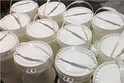
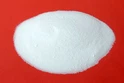
There are different types of glass etching chemicals available in the market. One of the most common forms is Glass Etching Powder. This powder is typically mixed with water to form a paste that can be applied to the glass surface. It is relatively easy to handle and can be used for both small - scale and large - scale projects. Another option is the Ordinary Glass Etching Powder, which is a more general - purpose product suitable for a wide range of glass etching applications.
How They Work
The main chemical reaction in glass etching involves the reaction of fluoride - based compounds with the silica in the glass. For example, hydrofluoric acid or fluoride salts react with silicon dioxide (SiO₂) in the glass to form silicon tetrafluoride (SiF₄) and water. This reaction removes the top layer of the glass, creating a rough surface that scatters light, resulting in the characteristic frosted look.
Using Glass Etching Chemicals on Glass Coffee Tables
Advantages
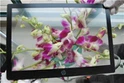
- Aesthetic Appeal: One of the primary reasons for using glass etching chemicals on glass coffee tables is to enhance their aesthetic appeal. Etched glass can add a touch of elegance and uniqueness to a coffee table. You can create custom designs, patterns, or even logos, making the coffee table a focal point in a living room or lounge area.
- Privacy and Glare Reduction: In some cases, glass coffee tables can cause glare, especially when placed near windows or under bright lights. Etching the glass can help reduce glare by diffusing the light. Additionally, if the coffee table is in a semi - public area, etched glass can provide a certain level of privacy without completely blocking the view.
- Durability: Once the glass is etched, the design is permanent. Unlike decals or stickers, which can peel off over time, an etched design on a glass coffee table will last for a long time, maintaining its appearance and integrity.
Technical Feasibility
From a technical perspective, glass coffee tables are generally suitable for etching. Most glass coffee tables are made of tempered or annealed glass. Tempered glass is stronger and more resistant to breakage, while annealed glass is more common and easier to work with.
The key to successful etching on a glass coffee table is proper surface preparation. The glass surface must be clean and free of any dirt, grease, or fingerprints. This can be achieved by using a glass cleaner and a lint - free cloth. After cleaning, the glass should be thoroughly dried before applying the etching chemical.
Application Process
- Masking: If you want to create a specific design on the glass coffee table, you need to use masking tape or a stencil. Cut the masking tape or stencil into the desired shape and apply it firmly to the glass surface. Make sure there are no gaps or air bubbles, as the etching chemical will seep through and create an uneven design.
- Mixing the Chemical: Follow the instructions on the Glass Etching Powder package to mix the powder with water to form a paste. The consistency of the paste should be thick enough to stay in place on the glass surface but not too thick to spread evenly.
- Applying the Chemical: Use a brush or a spatula to apply the etching paste to the exposed areas of the glass. Make sure to apply an even layer of the paste, covering the entire area you want to etch. Leave the paste on the glass for the recommended time, which can vary depending on the type of chemical and the desired depth of the etch.
- Rinsing and Cleaning: After the recommended time has passed, carefully rinse the glass with water to remove the etching paste. Use a soft cloth to wipe away any remaining residue. Inspect the etched area to ensure that the design is clear and the etch is uniform.
Considerations and Precautions
Safety
Glass etching chemicals, especially those containing hydrofluoric acid or fluoride salts, are highly corrosive and toxic. It is essential to take proper safety precautions when working with these chemicals. Wear protective gloves, goggles, and a respirator to avoid skin contact, eye irritation, and inhalation of fumes. Work in a well - ventilated area to prevent the buildup of toxic gases.
Compatibility
Before applying the etching chemical to the entire glass coffee table, it is advisable to test a small, inconspicuous area first. Different types of glass may react differently to the etching chemical, and some glass may have a coating or treatment that can affect the etching process.

Professional Help
If you are not experienced in glass etching, it may be a good idea to seek professional help. A professional glass etching service can ensure that the job is done correctly and safely, and they may also have access to more advanced equipment and techniques.
Conclusion
In conclusion, glass etching chemicals can be successfully used on glass coffee tables. They offer numerous advantages in terms of aesthetics, privacy, and durability. However, it is important to follow the proper application process and take necessary safety precautions.
If you are interested in using our Glass Etching Chemicals for your glass coffee table project, we are here to assist you. Our products are of high quality and come with detailed instructions. Whether you are a DIY enthusiast or a professional designer, we can provide you with the right materials and support. Feel free to contact us to discuss your requirements and start your glass etching project.
References
- "Glass Etching: A Practical Guide" by John Smith
- "Chemistry of Glass and Glass Etching" by Jane Doe
- Industry standards and guidelines for glass etching chemicals