Hey there! As a supplier of Glass Etching Materials, I often get asked a bunch of questions. One that pops up quite a bit is, "Can glass etching materials be used on mirrors?" Well, let's dive right into this topic and figure it out together.
First off, let's understand what glass etching materials are. We've got stuff like etching powders and chemicals. These materials are designed to create a frosted or decorative effect on glass surfaces. You can check out more about Etching Glass with Chemicals on our website. It gives you a good overview of how these chemicals work their magic on glass.
Now, mirrors are a bit different from regular glass. A mirror is basically a sheet of glass with a reflective coating on the back. The glass part is similar to what you'd use for regular glass etching, but that reflective layer changes things a bit.
When it comes to using glass etching materials on mirrors, the short answer is yes, you can. But there are some things you need to keep in mind.
The Process
The process of etching a mirror is quite similar to etching regular glass. You'll start by cleaning the mirror surface thoroughly. Any dirt or grime can mess up the etching process and give you an uneven finish. Once it's clean, you can apply a stencil if you want to create a specific design. There are tons of cool stencil designs out there, from simple geometric shapes to intricate patterns.
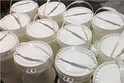
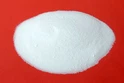
Next, it's time to apply the etching material. We offer Etching Powder for Glass that works great for this. You mix it with water according to the instructions on the package. Then, using a brush or a sponge, you apply the mixture to the exposed parts of the mirror (the parts not covered by the stencil).
After applying the etching powder, you need to let it sit for a certain amount of time. This time can vary depending on the product you're using and the effect you want to achieve. Usually, it's anywhere from a few minutes to half an hour. Keep an eye on it and check the progress every now and then.
Once the time is up, you rinse off the etching powder with water. Make sure you rinse it thoroughly so that there's no powder left on the mirror. You'll be left with a frosted or etched design on the mirror surface.
The Challenges
However, there are some challenges you might face when etching a mirror. One of the main issues is the reflective coating. If you're not careful, the etching material can seep under the edges of the mirror and damage the reflective layer. This can cause dark spots or uneven reflection on the mirror.
To avoid this, you need to be extra careful when applying the stencil and the etching material. Make sure the stencil is firmly attached to the mirror surface so that there are no gaps for the material to seep through. You can also use some masking tape around the edges of the mirror to create a barrier.
Another challenge is that the etching process can be a bit more delicate on a mirror compared to regular glass. Mirrors are often thinner and more fragile, so you need to handle them with care. Don't apply too much pressure when brushing on the etching material, as this could crack the mirror.
The Benefits
Despite the challenges, there are some great benefits to using glass etching materials on mirrors. For one, it's a super cool way to add a personal touch to your mirrors. You can create custom designs that match your home decor or make a unique gift for someone.
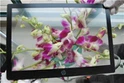
Etched mirrors also have a more elegant and sophisticated look compared to regular mirrors. The frosted effect gives them a soft, diffused reflection that can make a room look more inviting. They can be used as decorative pieces in bathrooms, bedrooms, or even as statement pieces in a living room.
Safety Precautions
Before you start using any glass etching materials, it's important to take some safety precautions. Our Glass Etching Chemical contains chemicals that can be harmful if they come into contact with your skin or eyes. So, make sure you wear gloves and safety goggles when handling these materials.


Work in a well - ventilated area to avoid inhaling any fumes. If you accidentally get the etching material on your skin, wash it off immediately with plenty of water. And if it gets in your eyes, flush your eyes with water for at least 15 minutes and seek medical attention right away.
Conclusion
So, to sum it up, yes, glass etching materials can be used on mirrors. It's a fun and creative way to add some personality to your mirrors. But you need to be aware of the challenges and take the necessary precautions.
If you're interested in trying out glass etching on mirrors or any other glass surfaces, we've got a wide range of high - quality glass etching materials for you. Whether you're a professional artist or just someone looking to try a new DIY project, we've got you covered.
If you have any questions or want to learn more about our products, feel free to reach out. We're here to help you with all your glass etching needs. Whether you're planning to do a small project at home or need materials for a larger commercial job, we can provide you with the right products and advice. So, don't hesitate to get in touch and start your glass etching journey today!
References
- General knowledge about glass etching and mirror properties.
- Product information from our glass etching materials catalog.