As a supplier of glass frosting material, I often encounter customers who have a unique need: making the glass frosting material more transparent when required. This demand stems from various applications, whether it's for decorative purposes, where a subtle transition between frosted and clear glass is desired, or for functional reasons, such as maintaining visibility while still having the aesthetic appeal of frosted glass. In this blog, I'll share some insights and methods on how to achieve this goal.
Understanding Glass Frosting Materials
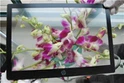
Before delving into the ways to make glass frosting material more transparent, it's essential to understand what glass frosting materials are and how they work. Glass frosting materials, such as Glass Frosting Powder, typically contain chemicals that react with the surface of the glass. These chemicals, usually acidic compounds, etch the glass surface, creating a rough texture that scatters light. This scattering of light is what gives frosted glass its characteristic opaque appearance.
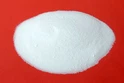
There are different types of glass frosting materials available in the market, including powders, sprays, and gels. Each type has its own application method and characteristics. For instance, glass frosting powder is often mixed with water to form a paste, which is then applied to the glass surface. Sprays are convenient for large - scale applications, while gels offer better control for detailed work.
Reasons for Making Frosted Glass More Transparent
There are several reasons why one might want to make frosted glass more transparent. In interior design, frosted glass is commonly used for partitions or doors. However, in some situations, more light transmission or a clearer view might be needed. For example, in an office space, a frosted glass partition can provide privacy, but during meetings or presentations, a more transparent view might be beneficial.
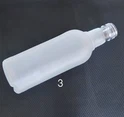
In the beverage industry, Oil Sand Effect Glass Spirit Bottle with a frosted appearance can add an elegant touch. But sometimes, consumers or distributors may want to showcase the color and level of the liquid inside the bottle more clearly.
Methods to Increase Transparency
1. Polishing
One of the most straightforward methods to make frosted glass more transparent is through polishing. Polishing helps to smooth out the rough surface created by the frosting process. There are different types of polishers available, including manual and electric ones.
For manual polishing, you can use a fine - grit sandpaper followed by a polishing compound. Start with a relatively coarse sandpaper (around 400 - 600 grit) to gradually level the rough surface. Then, switch to a finer grit sandpaper (800 - 1200 grit) for a smoother finish. After sanding, apply a polishing compound using a soft cloth or a polishing pad. Rub the compound in circular motions until the glass becomes more transparent.
Electric polishers are more efficient for larger areas. They come with different attachments for sanding and polishing. When using an electric polisher, make sure to follow the manufacturer's instructions carefully to avoid damaging the glass.
2. Chemical Treatment
Another method is chemical treatment. Some chemicals can be used to partially reverse the frosting effect. For example, a diluted solution of hydrofluoric acid can be used to etch the glass surface further in a controlled manner. However, hydrofluoric acid is extremely dangerous and requires strict safety precautions. It should only be used by professionals in a well - ventilated area with appropriate protective gear.
There are also some commercially available chemical solutions that are safer to use. These solutions work by dissolving a thin layer of the frosted glass surface, making it smoother and more transparent. When using chemical solutions, always test them on a small, inconspicuous area of the glass first to ensure that the desired effect is achieved without causing any damage.
3. Coating
Applying a clear coating to the frosted glass can also increase its transparency. There are various types of coatings available, such as acrylic coatings and silicone - based coatings.
Acrylic coatings are easy to apply and provide good optical clarity. They can be sprayed or brushed onto the glass surface. Once the coating dries, it forms a smooth layer that helps to reduce light scattering. Silicone - based coatings, on the other hand, offer better durability and water resistance. They are often used in outdoor applications where the glass needs to withstand harsh weather conditions.
Factors to Consider
When trying to make glass frosting material more transparent, there are several factors that need to be considered.
1. Type of Glass
Different types of glass, such as soda - lime glass, borosilicate glass, and tempered glass, may respond differently to the methods described above. For example, tempered glass is more difficult to polish or chemically treat because of its strengthened structure. It's important to know the type of glass you are working with before attempting any transparency - enhancing methods.
2. Degree of Frosting
The initial degree of frosting also plays a role. If the glass is heavily frosted, it may require more aggressive treatment to achieve the desired level of transparency. In some cases, it may not be possible to make the glass completely clear, but a significant improvement in transparency can still be achieved.
3. Safety
As mentioned earlier, some methods, especially chemical treatments, involve the use of dangerous substances. Safety should always be the top priority. Wear appropriate protective gear, such as gloves, goggles, and a respirator, when working with chemicals. Make sure to work in a well - ventilated area to avoid inhaling harmful fumes.
Applications and Case Studies
Let's take a look at some real - world applications where making frosted glass more transparent can be beneficial.
In a restaurant, frosted glass partitions are used to create private dining areas. During off - peak hours, the management may want to open up the space and make the partitions more transparent to create a more open and airy feel. By using the polishing method, the partitions can be transformed from opaque to semi - transparent, allowing more light to flow through the restaurant.
In the case of How To Etch Matt Surface Of Glass Bottles, a beverage company may want to showcase the contents of their bottles more clearly during a promotional event. By applying a clear coating to the frosted bottles, the liquid inside becomes more visible, attracting more customers.
Conclusion
Making glass frosting material more transparent is a process that requires careful consideration and the right approach. Whether through polishing, chemical treatment, or coating, there are various methods available to achieve the desired level of transparency. As a supplier of glass frosting material, I understand the importance of providing solutions that meet the diverse needs of our customers.


If you are interested in learning more about glass frosting materials or have a specific requirement regarding making frosted glass more transparent, I encourage you to contact me for a detailed discussion. We can explore the best solutions based on your application and budget. I look forward to the opportunity to work with you and help you achieve the perfect glass finish for your project.
References
- Glass Industry Handbook: A comprehensive guide to glass manufacturing, processing, and applications.
- Chemical Engineering Journal: Articles on chemical treatments for glass surfaces.
- Interior Design Magazine: Case studies on the use of frosted glass in different design projects.