As a seasoned supplier of glass etching powder, I've encountered numerous inquiries regarding the versatility of this product. One common question that often surfaces is, "Can glass etching powder be used on all types of glass?" In this blog post, I'll delve into this topic, providing insights based on my years of experience in the industry.
Understanding Glass Etching Powder
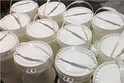
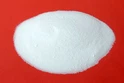
Before we explore the compatibility of glass etching powder with different types of glass, it's essential to understand what glass etching powder is and how it works. Glass etching powder is a chemical compound typically composed of hydrofluoric acid salts, such as ammonium bifluoride. When mixed with water, it creates a solution that can etch or frosted the surface of glass by removing a thin layer of the glass material.
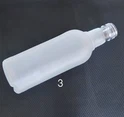
The etching process occurs through a chemical reaction between the acid in the solution and the silica in the glass. This reaction breaks down the silica molecules, resulting in a rough, matte finish on the glass surface. The intensity of the etching can be controlled by adjusting the concentration of the solution, the duration of the etching process, and the temperature.
Types of Glass and Their Compatibility with Glass Etching Powder
Not all types of glass are created equal, and their composition can significantly affect their compatibility with glass etching powder. Here are some common types of glass and their suitability for etching:
Soda-Lime Glass
Soda-lime glass is the most common type of glass used in everyday applications, such as windows, bottles, and drinking glasses. It is composed of silica, soda ash, and lime, along with small amounts of other additives. Soda-lime glass is generally compatible with glass etching powder and can be easily etched to create a frosted or decorative effect.
The relatively soft nature of soda-lime glass makes it susceptible to the chemical action of the etching solution. As a result, the etching process is typically quick and produces a smooth, consistent finish. However, it's important to note that the thickness of the glass can also affect the etching results. Thicker glass may require a longer etching time to achieve the desired effect.
Borosilicate Glass
Borosilicate glass is a type of glass that contains boron trioxide, which gives it excellent thermal and chemical resistance. It is commonly used in laboratory equipment, cookware, and high-quality glassware. Borosilicate glass is more resistant to etching than soda-lime glass due to its higher silica content and the presence of boron compounds.


Etching borosilicate glass with glass etching powder can be more challenging and may require a stronger etching solution or a longer etching time. Additionally, the surface of borosilicate glass may require pre-treatment to ensure proper adhesion of the etching solution. Despite these challenges, it is still possible to etch borosilicate glass using glass etching powder, but the results may vary depending on the specific composition of the glass.
Tempered Glass
Tempered glass is a type of safety glass that has been heat-treated to increase its strength and resistance to breakage. It is commonly used in automotive windows, shower doors, and glass partitions. Tempered glass is not suitable for etching with glass etching powder because the etching process can weaken the glass and compromise its safety properties.
The heat treatment process used to temper glass creates internal stresses within the glass structure. When the surface of tempered glass is etched, these stresses can be released, causing the glass to shatter into small, granular pieces. Therefore, it is important to avoid using glass etching powder on tempered glass to prevent any potential safety hazards.
Lead Crystal Glass
Lead crystal glass is a type of glass that contains lead oxide, which gives it a high refractive index and a brilliant sparkle. It is commonly used in fine glassware, chandeliers, and decorative objects. Lead crystal glass is generally compatible with glass etching powder, but the etching process may require special care due to the presence of lead.
Lead is a toxic substance, and exposure to lead dust or fumes can be harmful to human health. Therefore, it is important to take appropriate safety precautions when etching lead crystal glass, such as wearing protective gloves, goggles, and a respirator. Additionally, the etching solution should be disposed of properly to prevent environmental contamination.
Factors Affecting the Etching Process
In addition to the type of glass, several other factors can affect the etching process and the quality of the etching results. These factors include:
Concentration of the Etching Solution
The concentration of the etching solution plays a crucial role in determining the speed and intensity of the etching process. A higher concentration of the etching solution will generally result in a faster etching rate and a more pronounced etching effect. However, using a solution that is too concentrated can also cause the glass to become over-etched or damaged.
It is important to follow the manufacturer's instructions when preparing the etching solution and to use the recommended concentration for the specific type of glass being etched. If necessary, the concentration of the solution can be adjusted based on the desired etching effect and the characteristics of the glass.
Duration of the Etching Process
The duration of the etching process is another important factor that can affect the quality of the etching results. The longer the glass is exposed to the etching solution, the deeper the etching will be. However, over-etching can also occur if the glass is left in the solution for too long, resulting in a rough or uneven surface.
It is recommended to start with a short etching time and to monitor the progress of the etching process closely. If the desired etching effect has not been achieved, the glass can be re-immersed in the solution for a longer period. However, it is important to avoid over-etching the glass to prevent damage.
Temperature
The temperature of the etching solution can also affect the etching process. Generally, a higher temperature will result in a faster etching rate, but it can also increase the risk of over-etching and damage to the glass. It is recommended to use the etching solution at room temperature or slightly warmer, but not to exceed the recommended temperature range specified by the manufacturer.
Surface Preparation
Proper surface preparation is essential for achieving a high-quality etching result. The glass surface should be clean, dry, and free of any dirt, grease, or fingerprints. Any contaminants on the glass surface can interfere with the etching process and cause the etching to be uneven or incomplete.
Before applying the etching solution, the glass surface can be cleaned using a mild detergent and water, followed by a rinse with clean water and a thorough drying. Additionally, the glass surface can be sanded or polished to create a smooth, uniform surface for better adhesion of the etching solution.
Choosing the Right Glass Etching Powder
When choosing a glass etching powder, it is important to consider the specific requirements of your project and the type of glass you will be etching. Here are some factors to consider:
Compatibility
As discussed earlier, different types of glass have different levels of compatibility with glass etching powder. Make sure to choose a product that is specifically formulated for the type of glass you will be etching to ensure optimal results.
Etching Effect
Different glass etching powders can produce different etching effects, such as a frosted, satin, or decorative finish. Consider the desired etching effect and choose a product that can achieve the look you want.
Safety
Glass etching powder contains chemicals that can be harmful to human health and the environment. Make sure to choose a product that is safe to use and follow the manufacturer's instructions carefully. Look for products that are labeled as non-toxic, low in fumes, and environmentally friendly.
Quality
The quality of the glass etching powder can also affect the quality of the etching results. Choose a product that is made from high-quality ingredients and has a good reputation in the industry. Read reviews and testimonials from other users to get an idea of the product's performance and reliability.
Conclusion
In conclusion, glass etching powder can be used on a variety of types of glass, but its compatibility depends on the specific composition of the glass and the etching process. Soda-lime glass and lead crystal glass are generally compatible with glass etching powder, while borosilicate glass may require special care and tempered glass should not be etched.
When using glass etching powder, it is important to follow the manufacturer's instructions, take appropriate safety precautions, and consider the factors that can affect the etching process. By choosing the right glass etching powder and following the proper procedures, you can achieve beautiful, professional-looking etching results on your glass projects.
If you're interested in purchasing high-quality glass etching powder or other Chemical Glass Etching Solution Glass Etching Chemical Satinal Substance for Glass Etching for your glass etching projects, please feel free to contact us. We're here to help you find the right products and provide you with the support you need to achieve your desired results.
References
- "Glass Etching: A Comprehensive Guide." Glass Art Magazine, Vol. 25, No. 3, 2022.
- "The Chemistry of Glass Etching." Journal of Chemical Education, Vol. 90, No. 6, 2013.
- "Safety Guidelines for Working with Glass Etching Chemicals." Occupational Safety and Health Administration (OSHA), 2021.