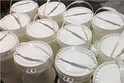
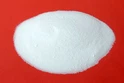
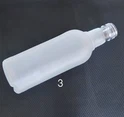
In the realm of glass processing, the application of ordinary glass etching powder has emerged as a pivotal technique for achieving diverse aesthetic and functional outcomes. As a leading supplier of ordinary glass etching powder, I have witnessed firsthand the profound impact that the application time of this powder can have on the etching depth. This blog post aims to delve into the intricate relationship between application time and etching depth, offering valuable insights for glass manufacturers, artists, and enthusiasts alike.

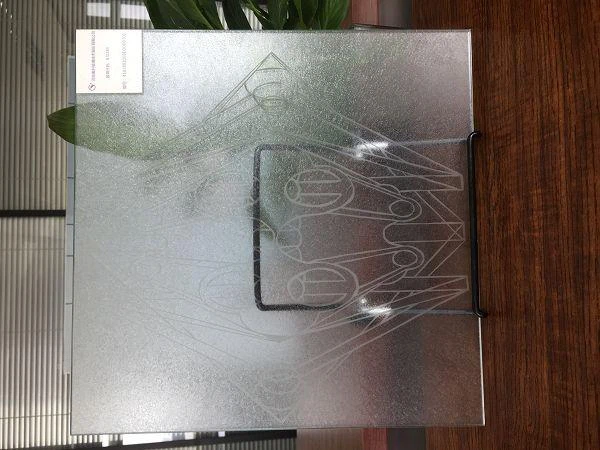
Understanding the Basics of Glass Etching
Before we explore the influence of application time, it is essential to grasp the fundamental principles of glass etching. Glass etching is a process that involves the use of chemicals to remove the surface layer of glass, creating a frosted or decorative effect. Ordinary glass etching powder typically contains hydrofluoric acid or other acidic compounds that react with the glass surface, breaking down the silica molecules and altering its appearance.
The etching process begins with the preparation of the glass surface. The glass must be thoroughly cleaned and dried to ensure optimal adhesion of the etching powder. Once the surface is prepared, the etching powder is applied evenly using a brush, spray, or other suitable method. The powder is then left to react with the glass for a specified period, during which the acid gradually etches away the surface layer.
The Role of Application Time in Etching Depth
The application time of ordinary glass etching powder is a critical factor that directly affects the etching depth. In general, the longer the powder is left in contact with the glass surface, the deeper the etching will be. This is because the acid in the powder continues to react with the glass over time, gradually removing more material from the surface.
However, it is important to note that the relationship between application time and etching depth is not linear. As the etching process progresses, the rate of material removal slows down due to a variety of factors, including the depletion of the acid in the powder, the formation of a protective layer on the glass surface, and the diffusion of the acid into the glass matrix. Therefore, increasing the application time beyond a certain point may not result in a proportional increase in etching depth.
Factors Affecting the Relationship between Application Time and Etching Depth
Several factors can influence the relationship between application time and etching depth, including the type of glass, the composition of the etching powder, the temperature and humidity of the environment, and the application method.
- Type of Glass: Different types of glass have different chemical compositions and physical properties, which can affect their susceptibility to etching. For example, soda-lime glass, which is commonly used in windows and bottles, is more easily etched than borosilicate glass, which is used in laboratory equipment and high-temperature applications.
- Composition of the Etching Powder: The composition of the etching powder, including the concentration and type of acid, can also affect the etching rate and depth. Powders with higher acid concentrations generally etch more quickly and deeply than those with lower concentrations. However, higher acid concentrations can also increase the risk of damage to the glass surface and pose a greater safety hazard.
- Temperature and Humidity: The temperature and humidity of the environment can have a significant impact on the etching process. Higher temperatures generally increase the reaction rate, resulting in faster etching and deeper penetration. However, excessive heat can also cause the acid to evaporate too quickly, reducing the effectiveness of the etching. Humidity can also affect the etching process by altering the solubility of the acid and the rate of diffusion into the glass matrix.
- Application Method: The method used to apply the etching powder can also affect the etching depth. For example, spraying the powder onto the glass surface can result in a more uniform and consistent etching than brushing or dipping. However, spraying may also cause the powder to be deposited unevenly, resulting in variations in etching depth.
Optimizing the Application Time for Desired Etching Depth
To achieve the desired etching depth, it is important to optimize the application time based on the specific requirements of the project. This can be achieved through a combination of experimentation, testing, and careful monitoring of the etching process.
- Conducting Tests: Before applying the etching powder to the entire glass surface, it is recommended to conduct tests on a small, inconspicuous area of the glass. This will allow you to determine the optimal application time and other parameters for achieving the desired etching depth and quality.
- Monitoring the Etching Process: During the etching process, it is important to monitor the progress of the etching and check the depth regularly. This can be done using a microscope, a profilometer, or other suitable measuring tools. If the etching depth is not sufficient, you can increase the application time or adjust other parameters as needed.
- Following Safety Precautions: When working with ordinary glass etching powder, it is important to follow all safety precautions to protect yourself and others from the harmful effects of the acid. This includes wearing protective clothing, gloves, goggles, and a respirator, and working in a well-ventilated area.
Applications of Glass Etching with Varying Etching Depths
The ability to control the etching depth using ordinary glass etching powder opens up a wide range of applications in various industries, including architecture, interior design, art, and manufacturing.
- Architectural Glass: In architecture, glass etching is commonly used to create decorative patterns, privacy screens, and signage on glass windows, doors, and partitions. By varying the etching depth, architects and designers can achieve different levels of transparency, opacity, and visual effects, adding a unique and personalized touch to the building.
- Interior Design: In interior design, glass etching is used to create decorative elements such as mirrors, tabletops, and wall panels. By using different etching depths and patterns, designers can create a variety of effects, from subtle and elegant to bold and dramatic, enhancing the aesthetic appeal of the space.
- Art and Crafts: In the art and crafts industry, glass etching is a popular technique for creating unique and one-of-a-kind artworks, jewelry, and decorative objects. By using different etching depths and colors, artists can create a wide range of effects, from delicate and intricate designs to bold and expressive statements.
- Manufacturing: In manufacturing, glass etching is used to create precision components, such as microfluidic devices, sensors, and optical elements. By controlling the etching depth and pattern, manufacturers can achieve high levels of accuracy and precision, ensuring the quality and performance of the final product.
Conclusion
In conclusion, the application time of ordinary glass etching powder plays a crucial role in determining the etching depth and quality. By understanding the relationship between application time and etching depth, and by taking into account the various factors that can influence this relationship, it is possible to optimize the etching process and achieve the desired results.
As a supplier of ordinary glass etching powder, I am committed to providing high-quality products and technical support to our customers. If you have any questions or need further information about glass etching or our products, please do not hesitate to contact us. We look forward to working with you to achieve your glass etching goals.
References
- "Etching Glass by Acid Chemical." /glass-etching-materials/etching-glass-with-acid-chemical.html
- "Chemical Etching Materials For Glass Decoration." /glass-etching-materials/chemical-etching-materials-for-glass.html
- "Chemical Etching for Glass." /glass-etching-materials/chemical-etching-for-glass.html
If you are interested in purchasing our ordinary glass etching powder or have any inquiries about our products, please feel free to reach out to us. We are here to assist you in achieving the best results for your glass etching projects.