Can glass frosting chemical be used on glass bottles?
As a supplier of glass frosting chemicals, I often receive inquiries about the applicability of our products to glass bottles. Glass bottles are ubiquitous in our daily lives, used for packaging beverages, cosmetics, perfumes, and various other products. The use of glass frosting chemicals on these bottles can significantly enhance their aesthetic appeal and functionality. In this blog post, I will explore the feasibility, benefits, and considerations of using glass frosting chemicals on glass bottles.
Feasibility of Using Glass Frosting Chemicals on Glass Bottles
Glass frosting chemicals are designed to etch the surface of glass, creating a frosted appearance. This process is chemically based and can be applied to various types of glass, including the ones used in glass bottles. The main types of glass used for bottles are soda - lime glass and borosilicate glass. Soda - lime glass is the most common type, known for its affordability and ease of manufacturing. Borosilicate glass, on the other hand, is more heat - resistant and is often used for high - end or specialized applications.
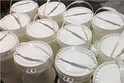
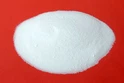
Our glass frosting chemicals work effectively on both soda - lime and borosilicate glass bottles. The chemical reaction between the frosting agent and the glass surface removes a thin layer of the glass, creating a micro - rough surface that scatters light, resulting in the characteristic frosted look. This process is relatively straightforward and can be carried out in a controlled industrial environment or even in small - scale artisanal settings.
Benefits of Using Glass Frosting Chemicals on Glass Bottles
- Aesthetic Appeal
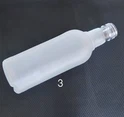
The frosted finish on glass bottles adds a touch of elegance and sophistication. It can transform a plain, ordinary bottle into a visually appealing packaging solution. For example, a frosted glass perfume bottle can convey a sense of luxury and exclusivity, making the product more attractive to consumers. The soft, diffused look of the frosted glass also gives a high - end feel, which is particularly important for premium products. - Branding and Customization
Glass frosting allows for easy branding and customization. Companies can use stencils or masks to create unique patterns, logos, or text on the bottle surface. This not only helps in brand recognition but also provides a creative way to differentiate products from competitors. For instance, a cosmetic brand can have its logo frosted on the bottle, creating a cohesive and memorable brand image. - Enhanced Grip
The micro - rough surface created by the frosting process can improve the grip of the glass bottle. This is especially beneficial for bottles that are used for liquids, as it reduces the risk of slipping out of the user's hand. For example, a frosted glass beverage bottle is easier to hold, even when it is wet or cold. - Privacy and Light Diffusion
In some cases, such as with perfume or certain cosmetic products, privacy is important. The frosted glass can obscure the contents of the bottle while still allowing the general shape and color to be visible. Additionally, the frosted surface diffuses light, which can be beneficial for products that are sensitive to light, such as essential oils or certain medications.
Considerations When Using Glass Frosting Chemicals on Glass Bottles
- Safety
Glass frosting chemicals are typically hazardous substances. They often contain strong acids or alkalis, which can cause severe burns and other health problems if not handled properly. It is essential to follow strict safety protocols when using these chemicals, including wearing appropriate protective gear such as gloves, goggles, and respirators. In an industrial setting, proper ventilation systems should be in place to prevent the inhalation of toxic fumes. - Quality Control
To achieve a consistent and high - quality frosted finish, careful quality control is necessary. Factors such as the concentration of the frosting chemical, the immersion time, and the temperature can all affect the final result. Any variation in these parameters can lead to uneven frosting or other defects. Therefore, it is important to have a well - defined and standardized process in place. - Cost
The cost of using glass frosting chemicals includes not only the cost of the chemicals themselves but also the cost of equipment, labor, and safety measures. In some cases, the cost of frosting can be relatively high, especially for small - scale production. However, the added value in terms of aesthetic appeal and branding can often justify the investment.
Applications of Frosted Glass Bottles
-
Cosmetic and Perfume Industry
The cosmetic and perfume industry is one of the largest users of frosted glass bottles. As mentioned earlier, the frosted finish adds a sense of luxury and sophistication to the products. Cosmetic Bottle Surface Glass Decorative Material can be enhanced with our glass frosting chemicals, creating a unique and attractive packaging solution. -
Beverage Industry
In the beverage industry, frosted glass bottles are used for premium wines, spirits, and craft beers. The frosted look can give these products a more upscale and artisanal feel. For example, a frosted glass bottle of a limited - edition whiskey can be more appealing to collectors and connoisseurs. -
Home Decor and Crafts
Frosted glass bottles can also be used for home decor and crafts. They can be transformed into vases, candle holders, or other decorative items. Vase Beautiful Glass Bottle can be created using our glass frosting chemicals, adding a touch of creativity to any home. -
Refrigerator Applications
Some glass bottles are used in refrigerators, and the frosting can have practical benefits in this context. The frosted surface can reduce the glare from the refrigerator lights and also provide a more aesthetically pleasing look. What Kind Of Glass Used On The Refrigerator Surface may be frosted using our chemicals to enhance the overall appearance of the refrigerator interior.
Conclusion
In conclusion, glass frosting chemicals can indeed be used on glass bottles, and the benefits are numerous. From enhancing aesthetic appeal to improving functionality, the use of these chemicals can add significant value to glass bottle products. However, it is important to consider the safety, quality control, and cost aspects when using these chemicals.


If you are interested in using our glass frosting chemicals for your glass bottle products, we invite you to contact us for a detailed discussion. Our team of experts can provide you with more information about our products, including the best application methods, safety guidelines, and cost - effective solutions. We are committed to helping you achieve the best results with our high - quality glass frosting chemicals.
References
- "Glass Science and Technology" by David R. Uhlmann and Norman J. Kreidl.
- "Industrial Glass Handbook" edited by Klaus Löbe.
- Various industry reports on glass packaging and surface treatment.