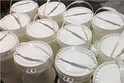
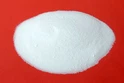
As a supplier of Glass Frosting Chemical, I often encounter inquiries from clients regarding the scratch resistance of our products. This is a crucial aspect, especially in industries where glass products are not only aesthetically important but also need to maintain their integrity over time. In this blog, I will delve into the details of what the scratch resistance of glass frosting chemical entails and why it matters in various applications.
Understanding Glass Frosting Chemicals
Glass frosting chemicals are substances used to create a frosted appearance on glass surfaces. They work by etching or chemically altering the surface of the glass to scatter light, giving it a smooth, satin - like finish. This process not only enhances the visual appeal of the glass but also provides a degree of privacy. Our glass frosting chemicals are formulated to be highly effective, offering a consistent and high - quality frosted look on different types of glass, including soda - lime glass, borosilicate glass, and quartz glass.
Factors Affecting Scratch Resistance
- Chemical Composition: The scratch resistance of glass frosting chemical is largely determined by its chemical composition. Our chemicals are carefully formulated with a blend of acids and additives. The acids are responsible for etching the glass surface, while the additives play a crucial role in enhancing the durability of the frosted layer. For example, some of our additives form a protective film on the glass surface during the frosting process. This film acts as a barrier against scratches, reducing the likelihood of damage from normal wear and tear.
- Application Method: The way the glass frosting chemical is applied also affects its scratch resistance. A proper application ensures an even distribution of the chemical on the glass surface, which is essential for creating a uniform and scratch - resistant frosted layer. Our company provides detailed application guidelines to our clients. The application can be done through spraying, brushing, or dipping, depending on the specific requirements of the glass product. When applied correctly, the chemical forms a strong bond with the glass, increasing its resistance to scratches.
- Glass Type: Different types of glass have varying levels of inherent scratch resistance. For instance, tempered glass is generally more scratch - resistant than regular soda - lime glass. However, our glass frosting chemicals can improve the scratch resistance of all types of glass. When applied to tempered glass, the chemical further enhances its durability, making it suitable for high - traffic areas or products that are likely to come into contact with abrasive materials.
Testing Scratch Resistance
We conduct rigorous testing to determine the scratch resistance of our glass frosting chemicals. One of the common methods we use is the Taber Abrasion Test. In this test, a rotating abrasive wheel is applied to the frosted glass surface under a specific load for a set number of cycles. After the test, we measure the change in the surface appearance and gloss of the glass. Our products consistently perform well in these tests, demonstrating excellent scratch resistance.
Another test we perform is the Pencil Hardness Test. In this test, pencils of different hardness levels are used to scratch the frosted glass surface. The highest hardness pencil that does not leave a scratch on the surface indicates the scratch resistance of the frosted layer. Our glass frosting chemicals typically achieve a high pencil hardness rating, which means they can withstand scratches from relatively hard objects.

Applications and Scratch Resistance Requirements
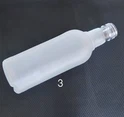
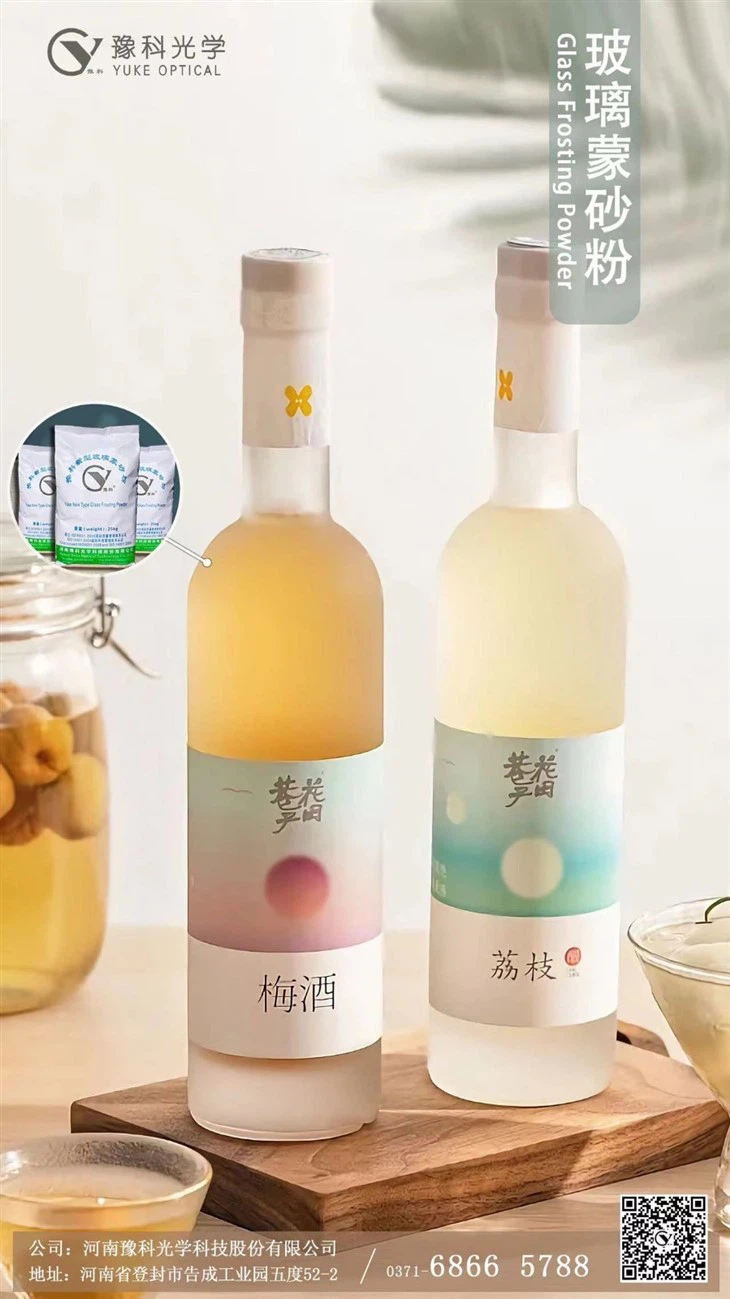
- Cosmetic Bottles: In the cosmetic industry, glass bottles are often used to package high - end products. The scratch resistance of the frosted finish on these bottles is crucial as they are handled frequently during the production, transportation, and display processes. Our glass frosting chemicals provide an ideal solution for Satin Effect Glass Cosmetic Bottle. The frosted finish not only gives the bottles an elegant look but also protects them from scratches, ensuring that the products inside are presented in perfect condition.
- Wine Bottles: Wine bottles are another application where scratch resistance is important. A frosted wine bottle can add a touch of sophistication to the product. Our chemicals are used for Glass Wine Bottle Decoration With Satin Effect. The scratch - resistant frosted layer on these bottles helps to maintain their appearance throughout the supply chain, from the winery to the consumer's table.
- Flat Glass for Decorative Purposes: Decorative flat glass, such as Gold Oil - Sand Effect Patterned Flat Glass, is often used in interior design. This type of glass needs to be scratch - resistant as it may be exposed to various environmental factors and human contact. Our glass frosting chemicals can create a beautiful and durable frosted pattern on flat glass, making it suitable for use in hotels, restaurants, and residential buildings.
Benefits of High Scratch Resistance
- Long - Term Durability: Products with high scratch - resistant frosted glass have a longer lifespan. This reduces the need for frequent replacement, which is cost - effective for our clients. For example, in a commercial building with frosted glass partitions, the high scratch resistance of the glass means that the partitions will maintain their appearance for many years, even with regular use.
- Enhanced Aesthetics: A scratch - free frosted glass surface looks more attractive and professional. In the case of cosmetic and wine bottles, a flawless frosted finish can enhance the brand image and increase the perceived value of the products. For decorative glass, a scratch - resistant frosted pattern adds to the overall beauty of the interior space.
- Improved Safety: In some applications, such as glass doors and windows, scratch - resistant frosted glass can improve safety. A scratched glass surface may be more prone to breakage, which can pose a risk to people. Our high - scratch - resistant glass frosting chemicals help to ensure that the glass remains intact and safe for use.
Contact for Procurement and洽谈
If you are interested in our glass frosting chemicals and want to learn more about their scratch resistance or other properties, we encourage you to contact us. We have a team of experts who can provide you with detailed information and answer any questions you may have. Whether you are a small - scale manufacturer or a large - scale enterprise, we can offer customized solutions to meet your specific needs. Let's work together to create high - quality, scratch - resistant frosted glass products.
References
- ASTM International. "ASTM D4060 - 19 Standard Test Method for Abrasion Resistance of Organic Coatings by the Taber Abraser." ASTM International, 2019.
- ISO 1518 - 1:2011. "Paints and varnishes - Determination of resistance to abrasion - Part 1: Rotating abrasive wheel method." International Organization for Standardization, 2011.