Can glass frosting chemical be used on glass panels in furniture?
As a supplier of glass frosting chemicals, I often receive inquiries from customers about the feasibility of using our products on glass panels in furniture. This question is not only relevant to the functionality and aesthetics of furniture but also touches on the safety and durability of the materials involved. In this blog post, I will delve into the details of using glass frosting chemicals on furniture glass panels, exploring the benefits, considerations, and best practices.
Benefits of Using Glass Frosting Chemicals on Furniture Glass Panels
Aesthetic Enhancement
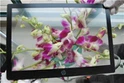
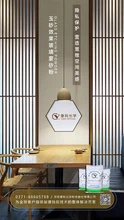
One of the primary reasons for using glass frosting chemicals on furniture glass panels is to enhance the aesthetic appeal. Frosted glass adds a touch of elegance and sophistication to any piece of furniture. It creates a soft, diffused look that can hide imperfections and provide a more private or semi - private view. For example, in a modern - style wardrobe with glass doors, frosted glass can give the wardrobe a sleek and contemporary appearance while still allowing some visibility of the contents inside.
The frosted effect can also be used to create artistic patterns or designs on the glass. This allows furniture designers to add a unique and personalized touch to their creations. You can explore different artistic effects on glass using our chemicals at Glass Decoration With Artistic Effect.
Privacy
In some furniture applications, such as cabinets in bathrooms or offices, privacy is a crucial factor. Frosted glass provides an effective solution by obscuring the view while still allowing light to pass through. This is especially useful in areas where you want to maintain a sense of openness but also need to protect the contents or activities behind the glass.


Light Diffusion
Frosted glass has the ability to diffuse light evenly. When used in furniture, it can create a more pleasant and soft lighting environment. For instance, in a glass - topped coffee table with built - in lighting, frosted glass can prevent harsh glares and distribute the light more uniformly, enhancing the overall ambiance of the room.
Considerations When Using Glass Frosting Chemicals on Furniture Glass Panels
Compatibility
Not all glass types are suitable for frosting with chemicals. Different types of glass, such as tempered glass, laminated glass, and regular float glass, have different compositions and surface properties. Before applying the glass frosting chemical, it is essential to ensure that the glass is compatible with the product. Tempered glass, for example, may have a different reaction to the frosting chemicals compared to regular glass. Our team can provide detailed information on the compatibility of different glass types with our products.
Safety
Glass frosting chemicals typically contain strong acids or other corrosive substances. When using these chemicals on furniture glass panels, safety precautions must be taken. This includes wearing appropriate protective gear, such as gloves, goggles, and a respirator, to avoid direct contact with the chemicals and inhalation of fumes. The furniture manufacturing process should also be carried out in a well - ventilated area to ensure the safety of the workers.
Durability
The durability of the frosted finish is an important consideration, especially for furniture that will be subject to regular use and handling. The frosted surface should be resistant to scratches, abrasion, and chemical damage. Our glass frosting chemicals are formulated to provide a long - lasting and durable finish. However, proper maintenance and care are still required to ensure the longevity of the frosted effect.
Environmental Impact
In today's environmentally conscious world, the environmental impact of the glass frosting chemicals is a significant concern. Our company is committed to developing and providing environmentally friendly glass frosting chemicals that have minimal impact on the environment. These products are designed to meet strict environmental standards while still delivering excellent frosting results.
Best Practices for Using Glass Frosting Chemicals on Furniture Glass Panels
Surface Preparation
Proper surface preparation is crucial for achieving a high - quality frosted finish. The glass surface should be thoroughly cleaned and free of dirt, grease, and other contaminants before applying the frosting chemical. This can be done using a mild detergent and water, followed by a rinse with clean water and drying with a lint - free cloth.
Application Method
There are different methods for applying glass frosting chemicals, such as brushing, spraying, or dipping. The choice of application method depends on the size and shape of the glass panel, as well as the desired effect. For small - scale furniture projects, brushing may be a suitable method, while spraying is more efficient for larger glass panels. Our technical support team can provide guidance on the most appropriate application method for your specific needs.
Testing
Before applying the glass frosting chemical to the entire glass panel, it is recommended to conduct a test on a small, inconspicuous area. This allows you to evaluate the frosting effect, check the compatibility of the glass and the chemical, and make any necessary adjustments to the application process.
Conclusion
In conclusion, glass frosting chemicals can be effectively used on glass panels in furniture, offering numerous benefits in terms of aesthetics, privacy, and light diffusion. However, it is important to consider factors such as compatibility, safety, durability, and environmental impact when using these chemicals. By following the best practices outlined above, furniture manufacturers can achieve high - quality frosted finishes on glass panels that enhance the overall value and appeal of their products.
If you are interested in using our glass frosting chemicals for your furniture projects, we invite you to contact us for more information and to discuss your specific requirements. Our team of experts is ready to assist you in choosing the right product and providing technical support throughout the process.
References
- "Glass Processing Handbook", a comprehensive guide on glass manufacturing and processing techniques.
- Industry reports on the use of glass frosting chemicals in the furniture industry.
- Research papers on the environmental impact of glass frosting chemicals and sustainable alternatives.