Hey there! I'm a supplier of glass etching with chemicals, and I know how crucial it is to prevent the spread of those chemicals during the glass etching process. In this blog, I'll share some practical tips and strategies that I've learned over the years to keep the chemicals in check and ensure a safe and efficient etching operation.
Understanding the Risks
First things first, let's talk about why it's so important to prevent chemical spread. Glass etching chemicals, such as hydrofluoric acid and ammonium bifluoride, are highly corrosive and can cause serious harm to your health if they come into contact with your skin, eyes, or respiratory system. In addition, these chemicals can also damage your equipment and the surrounding environment if they're not properly contained.
Setting Up a Safe Workspace
One of the most effective ways to prevent chemical spread is to set up a dedicated workspace that's designed to contain the chemicals and minimize the risk of exposure. Here are some key steps to follow:

- Choose a well-ventilated area: Make sure your workspace has plenty of fresh air circulation to prevent the buildup of chemical fumes. You can use a ventilation hood or an exhaust fan to help remove the fumes from the area.
- Use a chemical-resistant surface: Cover your workbench with a chemical-resistant material, such as polyethylene or polypropylene, to prevent the chemicals from seeping into the surface and causing damage.
- Wear appropriate personal protective equipment (PPE): Always wear gloves, goggles, and a respirator when working with glass etching chemicals to protect yourself from exposure. Make sure your PPE is in good condition and fits properly.
- Keep a spill kit handy: Have a spill kit readily available in your workspace to quickly clean up any chemical spills. The spill kit should include absorbent materials, such as vermiculite or kitty litter, and a neutralizing agent, such as baking soda.
Using the Right Equipment
In addition to setting up a safe workspace, it's also important to use the right equipment to prevent chemical spread. Here are some key pieces of equipment that you'll need:
- Etching tanks: Use etching tanks that are made of a chemical-resistant material, such as polyethylene or polypropylene, to hold the etching solution. Make sure the tanks are properly sealed to prevent the solution from leaking.
- Spray guns: If you're using a spray gun to apply the etching solution, make sure it's designed for use with glass etching chemicals and has a good spray pattern. You can also use a spray booth to contain the overspray and prevent it from spreading.
- Brushes and sponges: Use brushes and sponges that are made of a chemical-resistant material, such as nylon or polypropylene, to apply the etching solution. Make sure the brushes and sponges are clean and free of any debris before using them.
Handling and Storing Chemicals Properly
Proper handling and storage of glass etching chemicals are essential to prevent chemical spread. Here are some key tips to follow:
- Read the labels carefully: Before using any glass etching chemicals, make sure you read the labels carefully and follow the instructions for use. Pay attention to the safety precautions, handling instructions, and storage requirements.
- Store chemicals in a cool, dry place: Keep your glass etching chemicals in a cool, dry place that's away from heat, sunlight, and sources of ignition. Make sure the chemicals are stored in their original containers and are properly labeled.
- Use the correct amount of chemicals: When preparing the etching solution, make sure you use the correct amount of chemicals as specified in the instructions. Using too much or too little chemical can affect the quality of the etching and increase the risk of chemical spread.
- Dispose of chemicals properly: When you're finished using the glass etching chemicals, make sure you dispose of them properly. Follow the local regulations for chemical disposal and make sure you use a licensed hazardous waste disposal company.
Training Your Employees
If you have employees who work with glass etching chemicals, it's important to provide them with proper training on how to prevent chemical spread. Here are some key topics to cover in your training program:
- Safety procedures: Teach your employees about the safety procedures for working with glass etching chemicals, including how to wear PPE, how to handle spills, and how to use the equipment properly.
- Chemical hazards: Make sure your employees understand the hazards associated with glass etching chemicals and how to recognize the signs of exposure.
- Emergency response: Train your employees on how to respond to an emergency situation, such as a chemical spill or a fire. Make sure they know how to use the spill kit and the fire extinguisher.
Conclusion
Preventing the spread of chemicals during glass etching is essential to ensure the safety of your employees, your equipment, and the environment. By following the tips and strategies outlined in this blog, you can minimize the risk of chemical exposure and ensure a safe and efficient etching operation.
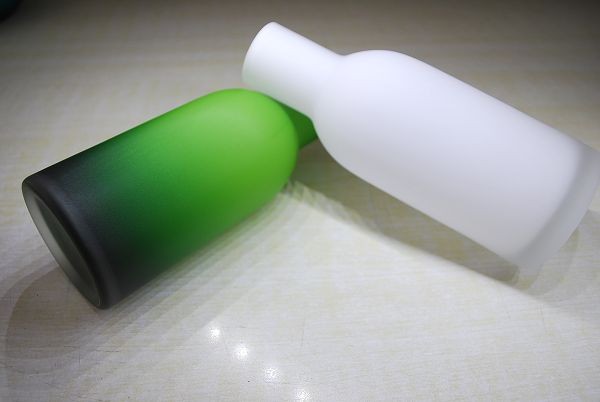
If you're interested in purchasing high-quality Chemical Glass Etching Solution or Glass Etching Powder for your glass etching projects, please feel free to contact us. We also offer a wide range of Lime Soda Peach Drink Bottle Beverage Glass Bottle Wine Bottle With Special Efection that are perfect for etching. Our team of experts is always available to answer your questions and help you find the right products for your needs.
References
- "Glass Etching Safety Guidelines." Occupational Safety and Health Administration (OSHA).
- "Chemical Safety Data Sheets." Manufacturer's websites for glass etching chemicals.