Can glass frosting powder be used on all types of glass?
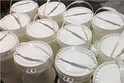
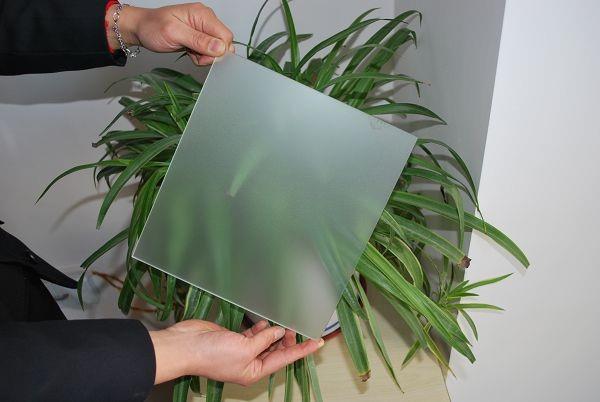
As a supplier of glass frosting powder, I often encounter questions from customers about the compatibility of our product with different types of glass. Glass frosting powder is a versatile material that can transform the appearance of glass, giving it a frosted, opaque, or decorative finish. However, the question remains: can glass frosting powder be used on all types of glass? In this blog post, I will explore this topic in detail and provide insights based on my experience in the industry.
Understanding Glass Frosting Powder
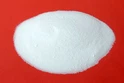
Before delving into the compatibility of glass frosting powder with different types of glass, it's essential to understand what glass frosting powder is and how it works. Glass frosting powder is a chemical compound typically composed of fluoride salts, such as ammonium bifluoride or sodium fluoride. When mixed with water, these powders create a paste or solution that, when applied to the surface of glass, etches the glass, creating a frosted effect.
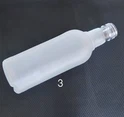
The frosting process involves a chemical reaction between the fluoride salts in the powder and the silica in the glass. This reaction breaks down the surface layer of the glass, creating a rough, matte finish that scatters light and reduces transparency. The intensity of the frosted effect can be controlled by adjusting the concentration of the frosting solution, the application time, and the type of glass being treated.
Types of Glass
There are several types of glass available in the market, each with its unique properties and composition. Some of the most common types of glass include:

- Soda-Lime Glass: This is the most widely used type of glass, accounting for approximately 90% of all glass production. Soda-lime glass is made from a mixture of silica sand, soda ash, and limestone. It is relatively inexpensive, easy to manufacture, and has good chemical resistance. Soda-lime glass is commonly used in windows, bottles, and containers.
- Borosilicate Glass: Borosilicate glass is made from a mixture of silica, boron trioxide, and small amounts of other oxides. It has a low coefficient of thermal expansion, making it resistant to thermal shock. Borosilicate glass is commonly used in laboratory glassware, cookware, and lighting fixtures.
- Tempered Glass: Tempered glass is a type of safety glass that is treated with heat or chemicals to increase its strength and durability. It is made by heating soda-lime glass to a high temperature and then rapidly cooling it. Tempered glass is four to five times stronger than regular glass and shatters into small, blunt pieces when broken, reducing the risk of injury. Tempered glass is commonly used in automotive windows, shower doors, and glass partitions.
- Laminated Glass: Laminated glass is made by sandwiching a layer of polyvinyl butyral (PVB) between two or more layers of glass. The PVB layer holds the glass together when it breaks, preventing it from shattering into sharp pieces. Laminated glass is commonly used in automotive windshields, architectural applications, and security glazing.
Compatibility of Glass Frosting Powder with Different Types of Glass
The compatibility of glass frosting powder with different types of glass depends on several factors, including the chemical composition of the glass, its surface properties, and the type of frosting powder being used. In general, glass frosting powder can be used on most types of glass, but the results may vary depending on the specific characteristics of the glass.
- Soda-Lime Glass: Soda-lime glass is the most compatible type of glass with glass frosting powder. It has a relatively soft surface and a high silica content, which makes it easy to etch. Glass frosting powder can be used to create a variety of frosted effects on soda-lime glass, from a light, translucent finish to a deep, opaque matte finish.
- Borosilicate Glass: Borosilicate glass is more resistant to chemical etching than soda-lime glass due to its high boron content. While glass frosting powder can be used on borosilicate glass, it may require a longer application time or a higher concentration of the frosting solution to achieve the desired frosted effect.
- Tempered Glass: Tempered glass is not recommended for frosting with glass frosting powder. The heat treatment process used to temper the glass creates a high level of internal stress, which can cause the glass to shatter if it is etched. Additionally, the surface of tempered glass is harder and more resistant to chemical etching than regular glass, making it difficult to achieve a consistent frosted effect.
- Laminated Glass: Laminated glass can be frosted on the exposed glass surfaces, but the PVB layer between the glass layers will not be affected by the frosting powder. When frosting laminated glass, it is important to ensure that the frosting solution does not come into contact with the PVB layer, as this can cause the layer to delaminate or discolor.
Special Considerations
In addition to the type of glass, there are several other factors that can affect the compatibility of glass frosting powder with different types of glass. These include:
- Surface Coatings: Some types of glass may have surface coatings, such as anti-reflective coatings, low-emissivity coatings, or scratch-resistant coatings. These coatings can affect the adhesion and performance of the frosting powder. Before applying glass frosting powder to glass with a surface coating, it is important to test the frosting solution on a small, inconspicuous area to ensure that it does not damage the coating.
- Glass Thickness: The thickness of the glass can also affect the frosting process. Thicker glass may require a longer application time or a higher concentration of the frosting solution to achieve the desired frosted effect. Additionally, thicker glass may be more prone to thermal stress during the frosting process, which can cause the glass to crack or break.
- Environmental Conditions: The environmental conditions during the frosting process can also affect the results. High humidity, extreme temperatures, and exposure to sunlight can all affect the drying time and the quality of the frosted finish. It is important to follow the manufacturer's instructions and apply the frosting solution in a controlled environment to ensure consistent results.
Applications of Glass Frosting Powder
Glass frosting powder has a wide range of applications in various industries, including:
- Architectural Applications: Glass frosting powder is commonly used in architectural applications to create privacy, decorative, and energy-efficient glass solutions. Frosted glass can be used in windows, doors, partitions, and shower enclosures to reduce transparency while maintaining natural light.
- Decorative Applications: Glass frosting powder can be used to create unique and decorative effects on glass surfaces. It can be used to add patterns, logos, or designs to glassware, mirrors, and furniture. Frosted glass can also be used to create artistic sculptures and installations.
- Industrial Applications: Glass frosting powder is used in industrial applications to improve the performance and functionality of glass products. It can be used to reduce glare on display screens, improve the grip on glass handles and knobs, and enhance the chemical resistance of glass containers.
Conclusion
In conclusion, while glass frosting powder can be used on most types of glass, the results may vary depending on the specific characteristics of the glass. Soda-lime glass is the most compatible type of glass with glass frosting powder, while tempered glass and laminated glass require special considerations. Before applying glass frosting powder to any type of glass, it is important to test the frosting solution on a small, inconspicuous area to ensure that it produces the desired results and does not damage the glass.
As a supplier of Water Glass Frosting Powder, I am committed to providing high-quality products and technical support to our customers. If you have any questions or need further information about the compatibility of our glass frosting powder with different types of glass, please feel free to contact us. We would be happy to assist you in finding the right solution for your needs.
Whether you are looking to create privacy in your home, add a decorative touch to your glassware, or improve the performance of your industrial glass products, our glass frosting powder can help you achieve your goals. Contact us today to learn more about our products and how we can help you transform your glass surfaces.
References
- "Glass Types and Properties." Corning Incorporated, 2023.
- "Frosted Glass: A Guide to Types, Applications, and Benefits." Glass.com, 2023.
- "How to Frost Glass: A Step-by-Step Guide." DIY Network, 2023.