Hey there! As a supplier in the chemical etching of glass industry, I often get asked about the best chemical for high - precision glass etching. Glass etching is a cool process that can create some amazing designs on glass, from decorative patterns on windows to precise circuits on glass substrates for electronics. So, let's dive into what makes a chemical great for high - precision glass etching.
The Basics of Glass Etching
Before we talk about the best chemicals, let's quickly go over how glass etching works. Glass is mainly made up of silica (SiO₂), and the etching process involves reacting the glass surface with a chemical to remove or modify it. This can be done through either wet etching, where the glass is immersed in a chemical solution, or dry etching, which uses plasma or other gaseous chemicals. For high - precision work, wet etching is often the go - to method because it allows for better control of the etching rate and pattern.
Hydrofluoric Acid: The Old Reliable
Hydrofluoric acid (HF) is probably the most well - known chemical for glass etching. It's been used for ages because it reacts directly with silica in the glass. When HF comes into contact with glass, it forms silicon tetrafluoride (SiF₄) and water (H₂O). The reaction looks like this:
SiO₂ + 4HF → SiF₄ + 2H₂O
What makes HF so good for high - precision etching? Well, it etches glass at a relatively fast rate, and you can control the etching depth by adjusting the concentration of the acid and the etching time. Also, it can create very fine details on the glass surface. However, there are some major downsides. HF is extremely dangerous. It can cause severe burns, and if it gets absorbed into the body, it can lead to serious health problems, including damage to bones and internal organs. So, if you're going to use HF, you need to have proper safety equipment and procedures in place.
Buffered Oxide Etch (BOE)
Buffered Oxide Etch is a mixture of hydrofluoric acid and ammonium fluoride (NH₄F). The ammonium fluoride acts as a buffer, which helps to control the etching rate more precisely. BOE is less aggressive than pure HF, which means it's a bit safer to handle. It's often used in the semiconductor industry for etching thin layers of glass or silicon dioxide on wafers.
The advantage of BOE is that it provides a more uniform etching across the glass surface. This is crucial for high - precision applications where you need consistent results. The buffer also helps to reduce the formation of pits and other surface defects that can occur with pure HF. However, like HF, BOE still contains hydrofluoric acid, so you need to be careful when using it.
Fluorosilicic Acid
Fluorosilicic acid (H₂SiF₆) is another option for glass etching. It's less toxic than hydrofluoric acid, which is a big plus. Fluorosilicic acid reacts with the silica in glass to form silicon tetrafluoride and other by - products. The reaction is a bit more complex than with HF, but it still effectively etches the glass.
One of the benefits of using fluorosilicic acid is that it can be more environmentally friendly compared to HF. It also has a lower vapor pressure, which means there's less risk of inhaling harmful fumes. However, the etching rate of fluorosilicic acid is generally slower than that of HF or BOE. So, if you're in a hurry to get the job done, it might not be the best choice.
Other Chemicals and Additives
There are also some other chemicals and additives that can be used in combination with the main etching chemicals to improve the process. For example, surfactants can be added to the etching solution to reduce surface tension and improve the wetting of the glass surface. This helps the etching chemical to spread more evenly and can result in a more uniform etch.
Some organic acids can also be used in certain applications. For instance, acetic acid can be used to adjust the pH of the etching solution and control the reaction rate. However, these organic acids are usually used in combination with the more powerful etching chemicals like HF or its derivatives.
Choosing the Right Chemical for Your Needs
So, how do you choose the best chemical for high - precision glass etching? Well, it depends on a few factors. First, consider the level of precision you need. If you're working on very fine details, like micro - circuits on glass, HF or BOE might be your best bet because they can etch quickly and precisely. But if safety is a major concern, fluorosilicic acid could be a better option, even though it might take a bit longer.
You also need to think about the type of glass you're etching. Different types of glass have different compositions, and some might react differently to the etching chemicals. For example, borosilicate glass is more resistant to etching than soda - lime glass. So, you might need to adjust the etching chemical or the process parameters accordingly.
Our Products and Services
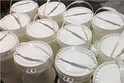
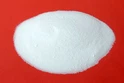
As a supplier in the glass etching industry, we offer a wide range of Glass Etching Chemical. We have high - quality hydrofluoric acid and BOE solutions that are carefully formulated to ensure consistent and precise etching. Our products are tested to meet the highest standards of quality and safety.


We also provide Material Used for Glass Etching, including additives and surfactants that can enhance the etching process. Whether you're a small - scale artist looking to create unique glass designs or a large - scale manufacturer producing high - tech glass components, we have the right products for you.
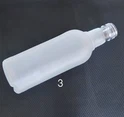
If you're interested in SATINAL MATERIAL FOR FROSTED GLASS PRODUCTION, we can offer you top - notch materials that will give you a smooth and even frosted finish on your glass.
Let's Talk
If you have any questions about which chemical is best for your glass etching project, or if you want to discuss your specific needs, don't hesitate to reach out. We're here to help you find the perfect solution for your high - precision glass etching requirements. Whether it's choosing the right chemical, optimizing the etching process, or ensuring safety, we've got you covered.
References
- Smith, J. (2018). "Advanced Glass Etching Techniques". Glass Technology Journal.
- Johnson, A. (2019). "Safety Considerations in Chemical Glass Etching". Chemical Safety Review.
- Brown, C. (2020). "Comparative Study of Glass Etching Chemicals". Materials Science Research.