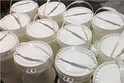
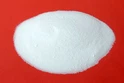
As a supplier of Quartz Glass Frosting Powder, I often encounter inquiries from customers about whether they can mix different types of this powder. This is a crucial question that can significantly impact the final outcome of glass frosting projects. In this blog post, I'll delve into the scientific aspects of mixing different types of Quartz Glass Frosting Powder, share some insights from my experience, and guide you on how to make informed decisions.
Understanding Quartz Glass Frosting Powder
Quartz Glass Frosting Powder is a specialized material used to create a frosted or matte finish on glass surfaces. It works by chemically etching the glass, altering its surface texture to scatter light and create a diffused appearance. Different types of Quartz Glass Frosting Powder are formulated to achieve various effects, such as different levels of opacity, textures, and finishes.
The composition of Quartz Glass Frosting Powder typically includes chemicals like hydrofluoric acid salts, which are highly reactive with glass. The specific formulation can vary depending on the desired outcome, the type of glass being frosted, and the application method. For example, some powders are designed for use on thick glass, while others are more suitable for thin or delicate glass.
Can You Mix Different Types of Quartz Glass Frosting Powder?
The short answer is: it depends. Mixing different types of Quartz Glass Frosting Powder can be a complex process that requires careful consideration. Here are some factors to keep in mind:
Chemical Compatibility
One of the primary concerns when mixing different types of frosting powder is chemical compatibility. Different powders may contain different chemical compositions, and mixing incompatible chemicals can lead to unpredictable reactions. These reactions can result in uneven frosting, discoloration, or even damage to the glass.
For example, if one powder contains a high concentration of a particular acid salt and another contains a compound that reacts with it, the mixture could produce a chemical reaction that releases harmful gases or causes the powder to clump. This not only affects the quality of the frosting but also poses a safety risk to the user.
Desired Outcome
Another important factor to consider is the desired outcome of the frosting process. Different types of powder are formulated to achieve specific effects, such as a fine matte finish, a coarse texture, or a specific level of opacity. Mixing powders with different intended effects can make it difficult to control the final result.

For instance, if you mix a powder designed for a high - gloss matte finish with one for a rough, textured finish, you may end up with a surface that has an inconsistent appearance. It's essential to have a clear idea of the effect you want to achieve before attempting to mix different powders.
Application Method
The application method can also influence whether it's appropriate to mix different types of frosting powder. Some application methods, such as spraying or brushing, may require a more homogeneous mixture to ensure even coverage. If the powders don't mix well, it can lead to streaks or uneven frosting.
On the other hand, if you're using a dipping method, the powders may have more time to interact and potentially create a more uniform effect. However, even in this case, you still need to be cautious about chemical compatibility.
Benefits of Mixing Different Types of Quartz Glass Frosting Powder
While there are risks associated with mixing different types of Quartz Glass Frosting Powder, there can also be some benefits if done correctly:
Customization
Mixing different powders allows you to create a custom frosting effect that may not be achievable with a single type of powder. For example, you can combine a powder that provides a high level of opacity with one that creates a unique texture to achieve a one - of - a - kind look for your glass products.
Cost - Efficiency
In some cases, mixing powders can be a cost - effective solution. If you have two types of powder that are close to achieving the desired effect but not quite there, combining them in the right proportions may allow you to use less of each powder while still getting the desired result.

Tips for Mixing Different Types of Quartz Glass Frosting Powder
If you decide to mix different types of Quartz Glass Frosting Powder, here are some tips to help you do it safely and effectively:
Conduct a Small - Scale Test
Before applying the mixed powder to a large glass surface, conduct a small - scale test on a scrap piece of glass. This will allow you to observe the chemical reactions, the appearance of the frosting, and any potential issues. Make sure to document the proportions of each powder used and the results.
Follow Safety Precautions
Quartz Glass Frosting Powder contains chemicals that can be harmful if not handled properly. Wear appropriate protective gear, such as gloves, goggles, and a respirator, when handling the powder. Work in a well - ventilated area to avoid inhaling any fumes.
Mix Thoroughly
Ensure that the powders are mixed thoroughly to achieve a homogeneous mixture. You can use a clean container and a stirrer to blend the powders. If possible, sift the mixture to remove any clumps.
Real - World Applications and Examples
Let's take a look at some real - world applications where mixing different types of Quartz Glass Frosting Powder can be beneficial.

Decorative Glassware
In the production of decorative glassware, such as vases, bowls, and ornaments, mixing different powders can create unique and eye - catching effects. For example, you can combine a powder that creates a soft, diffused glow with one that adds a subtle texture to the surface. This can enhance the aesthetic appeal of the glassware and make it stand out in the market.
Architectural Glass
In architectural applications, such as windows, partitions, and doors, mixing different types of frosting powder can be used to achieve specific privacy and design requirements. You can mix a powder with a high level of opacity for privacy with one that has a decorative pattern or texture to add visual interest.
Related Resources
If you're interested in learning more about glass frosting, here are some useful resources:
- Why Use Matte Finish: This article provides insights into the benefits of using a matte finish on glass surfaces.
- Oil Sand Effect Glass Spirit Bottle: Explore how different types of frosting powder can be used to create an oil - sand effect on glass spirit bottles.
- Antiscratch Glass Frosting Powder: Learn about the features and applications of antiscratch glass frosting powder.
Conclusion
Mixing different types of Quartz Glass Frosting Powder can be a viable option if you understand the risks and take the necessary precautions. It offers the potential for customization and cost - efficiency, but it also requires careful consideration of chemical compatibility, desired outcome, and application method.
If you're considering using different types of Quartz Glass Frosting Powder for your projects, I encourage you to reach out to us. As a supplier, we have the expertise and experience to help you choose the right powders and provide guidance on mixing them safely and effectively. Contact us to discuss your specific requirements and start your glass frosting project today.
References
- Smith, J. (2018). Glass Frosting Techniques and Applications. Journal of Glass Science, 25(3), 123 - 135.
- Johnson, A. (2019). Chemical Reactions in Glass Etching Processes. Chemical Engineering Review, 40(2), 89 - 98.
- Brown, M. (2020). Customizing Glass Frosting Effects. Glass Industry Magazine, 32(4), 56 - 62.