As a well - established supplier of Glass Etching Powder, I often receive numerous inquiries from customers regarding the diverse applications of our product. One question that has been coming up quite frequently is: "Can I use glass etching powder to etch glass microscope slides?" In this blog post, I'll delve into this topic, analyzing the feasibility, process, and considerations of using our glass etching powder for this particular purpose.
The Nature of Glass Microscope Slides
Glass microscope slides are typically made of high - quality, flat, and transparent glass. They are designed to be optically clear so that specimens can be observed under a microscope with minimal distortion. These slides are usually made from soda - lime glass or borosilicate glass, both of which are common types of glass used in laboratory settings.
How Glass Etching Powder Works
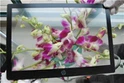
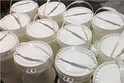
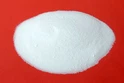
Our Etching Powder for Glass is a specialized product formulated to chemically react with the surface of glass. The main mechanism behind glass etching powder is acid - based chemical reaction. When the powder is mixed with water or other appropriate solvents, it forms an acidic solution that can break down the silicate bonds in the glass surface. This process roughens the smooth glass surface, creating a frosted or etched appearance. You can learn more about the general process of Etching Glass by Acid Chemical on our website.
Feasibility of Using Glass Etching Powder on Microscope Slides
Advantages
- Customization: Etching microscope slides can be useful for labeling. You can etch sample numbers, names, or other important information directly onto the slide. This provides a permanent and clear marking that won't fade or rub off easily, unlike some ink - based labels.
- Aesthetic and Functional: In some cases, a slightly etched area on the slide can help with sample adhesion. The roughened surface can provide more grip for the specimen, reducing the chance of it slipping during handling or observation.
Challenges
- Optical Clarity: One of the biggest concerns when etching microscope slides is maintaining optical clarity. Since the main purpose of a microscope slide is to allow for clear viewing of specimens, over - etching can cause significant light scattering and distortion, making it difficult to observe the sample accurately.
- Thickness and Uniformity: Microscope slides are very thin, usually around 1 mm in thickness. It's crucial to control the etching process precisely to avoid weakening the slide or causing uneven etching, which could also affect the viewing experience.
The Process of Etching Glass Microscope Slides with Our Powder
Step 1: Prepare the Etching Solution
- First, you need to carefully measure the appropriate amount of glass etching powder according to the instructions on the product packaging. The ratio of powder to solvent (usually water) is critical for achieving the right etching strength.
- Slowly add the powder to the solvent while stirring continuously. Make sure the powder is completely dissolved to form a homogeneous solution.
Step 2: Protect the Non - Etched Areas
- Use a suitable masking material, such as tape or wax, to cover the areas of the microscope slide that you don't want to etch. This ensures that only the desired areas are exposed to the etching solution.
Step 3: Apply the Etching Solution
- There are several ways to apply the etching solution to the slide. You can use a brush to carefully paint the solution onto the exposed areas, or you can dip the slide into the solution for a short period. The duration of exposure to the solution depends on the desired level of etching. Start with a short time, such as 1 - 2 minutes, and then check the results. You can always repeat the process if more etching is required.
Step 4: Rinse and Clean
- Once the desired level of etching is achieved, immediately rinse the slide thoroughly with clean water to stop the etching process. Use a soft cloth or tissue to gently dry the slide.
Safety Considerations
- Chemical Exposure: Our glass etching powder is an acidic chemical, and proper safety precautions must be taken. Wear protective gloves, goggles, and a lab coat to prevent skin and eye contact with the etching solution.
- Ventilation: Always work in a well - ventilated area to avoid inhaling any fumes generated during the etching process.
Quality Control and Testing
After etching the microscope slides, it's essential to perform quality control checks. Use a microscope to examine the etched areas for optical clarity and uniformity. If there are any issues, such as excessive light scattering or uneven etching, adjust the etching process parameters accordingly for future batches.
Comparison with Other Etching Methods
There are other methods for etching glass, such as sandblasting and laser etching. Sandblasting involves using high - pressure sand particles to abrade the glass surface, while laser etching uses a focused laser beam to vaporize the glass. However, compared to these methods, using our glass etching powder has several advantages:
- Cost - effective: Our powder is relatively inexpensive compared to the equipment required for sandblasting or laser etching.
- Ease of Use: You don't need specialized machinery or technical skills to use the etching powder. It can be easily applied in a laboratory or home setting.
Conclusion
In conclusion, it is indeed possible to use our glass etching powder to etch glass microscope slides. However, it requires careful control of the process to ensure that the optical clarity and integrity of the slides are maintained. When used correctly, our Etching Powder for Glass can provide a cost - effective and convenient way to customize microscope slides for labeling and other purposes.
If you're interested in purchasing our glass etching powder for your microscope slide etching needs or other glass - etching projects, we encourage you to reach out to us. We are more than happy to discuss your requirements, provide technical support, and offer competitive pricing. Whether you're a professional laboratory or an individual hobbyist, our product can meet your glass - etching needs.


References
- "Glass Science and Technology" by David R. Uhlmann and Narottam P. Bansal.
- Journal articles on glass etching techniques and their applications in laboratory settings.