Can I use ordinary glass etching powder on glassware with a thin wall?
As a supplier of ordinary glass etching powder, I often encounter questions from customers regarding the compatibility of our product with different types of glassware, especially those with thin walls. In this blog post, I'll delve into the science behind glass etching, discuss the suitability of ordinary glass etching powder for thin - walled glassware, and provide some practical tips for a successful etching process.
Understanding Glass Etching
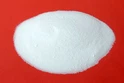
Glass etching is a process that involves the chemical or mechanical removal of the surface layer of glass to create a frosted or decorative effect. Chemical etching, which is the method our ordinary glass etching powder is designed for, relies on a reaction between the powder and the glass surface. The powder typically contains chemicals such as hydrofluoric acid salts or other strong acids that react with the silica in the glass. When the powder is mixed with water to form a solution and applied to the glass, it gradually dissolves the glass surface, resulting in a dull, matte finish.
The chemical reaction can be complex, but in simple terms, the acidic components in the etching powder break the silicon - oxygen bonds in the glass structure. This leads to the removal of small amounts of glass material, and the rough surface that remains scatters light, giving the etched area its characteristic frosted appearance.
Can Ordinary Glass Etching Powder Be Used on Thin - Walled Glassware?
The short answer is yes, but with caution. Thin - walled glassware, such as delicate drinking glasses or some decorative items, has its own set of challenges when it comes to glass etching.
One of the main concerns is the potential for the glass to break during the etching process. The chemical reaction between the etching powder and the glass generates heat, and thin - walled glass is more susceptible to thermal stress. If the temperature change is too rapid or uneven, the glass may crack or shatter. To mitigate this risk, it's important to ensure that the etching solution is at a moderate temperature and that the glass is gradually introduced to the solution.
Another consideration is the thickness of the glass wall. Since thin - walled glass has less material to spare, over - etching can quickly lead to a compromised structure. The etching process needs to be carefully monitored to prevent the glass from becoming too thin or developing weak spots. It's advisable to start with a short etching time and gradually increase it if a more pronounced effect is desired.

Advantages of Using Ordinary Glass Etching Powder on Thin - Walled Glassware
Despite the challenges, there are several advantages to using our ordinary glass etching powder on thin - walled glassware.
Firstly, it offers a cost - effective way to add a decorative touch to glass items. Instead of purchasing expensive pre - etched glassware, you can transform plain, thin - walled glasses into unique pieces with your own designs.
Secondly, the etching process can enhance the durability of the glass surface to some extent. The etched area is less likely to show fingerprints and smudges, making the glassware easier to clean and maintain.
Finally, using our ordinary glass etching powder provides a high degree of customization. You can create intricate patterns, logos, or text on the thin - walled glass, adding a personal or brand - specific element to the items.
Practical Tips for Etching Thin - Walled Glassware
If you decide to use our ordinary glass etching powder on thin - walled glassware, here are some practical tips to ensure a successful outcome:
- Prepare the glassware: Thoroughly clean the glass surface to remove any dirt, grease, or fingerprints. A clean surface ensures an even etching effect. You can use a mild detergent and warm water, followed by a rinse with distilled water and a gentle dry with a lint - free cloth.
- Protect the glass: Before applying the etching solution, consider using a protective barrier around the areas you don't want to etch. You can use masking tape or a specialized etching stencil. Make sure the edges of the protective material are well - sealed to prevent the solution from seeping under.
- Mix the etching powder correctly: Follow the instructions on the packaging carefully when mixing the powder with water. Use the recommended ratio to ensure the solution has the right concentration for etching. A too - strong solution may etch the glass too quickly, while a too - weak solution may not produce a satisfactory effect.
- Control the etching time: As mentioned earlier, start with a short etching time, such as 1 - 2 minutes. After the initial time, rinse the glass under running water and check the etching effect. If you want a more pronounced result, you can repeat the process in short intervals.
- Handle with care: During the entire process, handle the thin - walled glassware gently to avoid any physical damage. After etching, rinse the glass thoroughly to remove all traces of the etching solution, and then dry it carefully.
Other Glass Etching Options
In addition to our ordinary glass etching powder, there are other options available for glass etching, such as Chemical Glass Etching Solution. This solution offers a more ready - to - use alternative, eliminating the need for mixing powder. It can also be a good choice for thin - walled glassware, as it may be easier to control the application and the etching process.
Another interesting option is Lime Soda Peach Drink Bottle Beverage Glass Bottle Wine Bottle With Special Efection. These pre - designed glass bottles can be further customized using our etching powder or other Chemical Etching for Glass methods, adding a unique touch to your beverage packaging or decorative items.
Conclusion
In conclusion, it is possible to use ordinary glass etching powder on thin - walled glassware, but it requires careful consideration and proper handling. By understanding the science behind glass etching, taking precautions to prevent damage, and following the practical tips provided, you can achieve beautiful and durable etched results on thin - walled glass items.
If you are interested in purchasing our ordinary glass etching powder or have any questions about glass etching, please feel free to contact us for further discussions and procurement negotiations. We are committed to providing high - quality products and excellent customer service to meet your glass etching needs.
References
- "The Chemistry of Glass Etching." Journal of Chemical Education.
- "Practical Guide to Glass Decorating." Glass Art Magazine.