Hey there! As a supplier of glass frosting material, I often get asked about the smoothness of the surface after applying our products. It's a super important question, especially for those who are looking to achieve a specific aesthetic or functional result with their glass projects. So, let's dive right in and explore what goes on when you use glass frosting material and how it affects the smoothness of the glass surface.
Understanding Glass Frosting Material
First off, let's talk a bit about what glass frosting material is. We've got different types, like glass frosting powder and glass etching cream. These materials work by chemically reacting with the surface of the glass. When you apply them, they basically eat away at the top layer of the glass, creating a rough, frosted appearance. This is different from just applying a film or sticker on the glass; it's a permanent change to the glass itself.
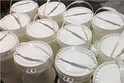
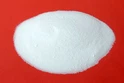
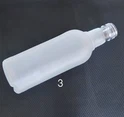
Our Glass Frosting Powder Glass Etching Cream Wine Bottle India is a popular choice among customers. It's easy to use and can be applied to various glass surfaces, from wine bottles to windows. The powder is mixed with water to form a paste, which you then spread evenly on the glass. The etching cream, on the other hand, comes ready to use and can be directly applied with a brush.
Factors Affecting Surface Smoothness
Now, let's get to the main point: what affects the smoothness of the glass surface after applying glass frosting material? There are several factors at play here.
Application Method
How you apply the glass frosting material makes a huge difference. If you don't apply it evenly, you'll end up with an uneven surface. For example, if you're using a brush to apply the etching cream, make sure to use smooth, consistent strokes. Don't press too hard in some areas and too lightly in others. Also, the thickness of the application matters. If you apply too thick a layer, it might take longer to etch and could result in a rougher surface.
Material Quality
The quality of the glass frosting material itself is crucial. Cheaper materials might not react with the glass as evenly as high - quality ones. Our products are carefully formulated to ensure a consistent and smooth etching process. We use high - grade chemicals that are designed to etch the glass in a controlled manner, resulting in a more uniform and smooth surface.
Glass Type
Not all glasses are created equal. Different types of glass have different compositions, and this can affect how they react to the frosting material. For instance, tempered glass might etch differently from regular annealed glass. Tempered glass has been heat - treated, which changes its internal structure. This can sometimes make the etching process a bit more challenging, and it might result in a slightly different surface smoothness compared to regular glass.
Etching Time
The amount of time you leave the frosting material on the glass is also important. If you don't leave it on long enough, the etching might not be complete, and you'll end up with a patchy or less - smooth surface. On the other hand, if you leave it on for too long, it can over - etch the glass, making it too rough. You need to follow the instructions carefully to get the right etching time for the best smoothness.
Achieving a Smooth Surface
So, how can you achieve a smooth surface when using our glass frosting material? Here are some tips:
Preparation
Before applying the frosting material, make sure the glass surface is clean and free of any dirt, grease, or fingerprints. You can use a glass cleaner and a lint - free cloth to clean the glass thoroughly. This ensures that the frosting material can adhere evenly to the glass and react with it properly.
Test on a Small Area
It's always a good idea to test the frosting material on a small, inconspicuous area of the glass first. This allows you to see how the glass reacts to the material and adjust the application method or etching time if needed. You can also check the smoothness of the etched surface on the test area and make any necessary changes before applying it to the entire glass surface.
Follow the Instructions
Our products come with detailed instructions on how to use them. Make sure to read and follow these instructions carefully. They'll tell you things like how to mix the powder, how long to leave the cream on the glass, and how to clean up after the etching process. By following the instructions, you'll have a better chance of achieving a smooth surface.
Applications and the Importance of Smoothness
The smoothness of the frosted glass surface is important for different applications.


Decorative Purposes
For decorative glass items, like wine bottles or glass vases, a smooth surface gives a more professional and polished look. It enhances the overall aesthetic appeal of the piece. When you look at a beautifully frosted wine bottle with a smooth surface, it just looks more elegant and inviting. Our AG GLASS DECORATION With Acid Etching Powder is great for these types of decorative projects, as it can create a smooth and attractive frosted effect.
Privacy Applications
In windows or partitions where privacy is the main concern, a smooth frosted surface can still allow some light to pass through while obscuring the view. A rough surface might scatter the light in a way that makes the glass look less clear and more opaque. A smooth surface gives a cleaner and more consistent look, which is often preferred in commercial or residential settings.
Our Commitment to Quality
As a supplier, we're committed to providing high - quality glass frosting materials that can help you achieve the best possible surface smoothness. We constantly research and develop our products to improve their performance. We also offer support and advice to our customers to make sure they get the most out of our products.
We'll be at the upcoming Welcome To The Exhibition, where you can come and see our products in action. You can also talk to our experts and get hands - on experience with our glass frosting materials.
Conclusion
In conclusion, the smoothness of the glass surface after applying glass frosting material depends on several factors, including the application method, material quality, glass type, and etching time. By following the right steps and using high - quality materials like ours, you can achieve a smooth and beautiful frosted glass surface for your projects.
If you're interested in our glass frosting materials and want to discuss your specific needs, whether it's for a small DIY project or a large commercial application, don't hesitate to reach out. We're here to help you make the most of your glass projects and achieve the perfect frosted look.
References
- General knowledge of glass chemistry and etching processes.
- Internal research and development data from our company on glass frosting materials.