Hey there! As a supplier of Ordinary Glass Etching Powder, I often get asked this question: "Can I use ordinary glass etching powder to etch glass art pieces?" Well, let's dig into this topic and find out.
What is Ordinary Glass Etching Powder?
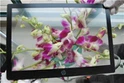
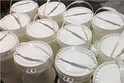
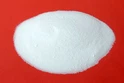
First off, let's understand what ordinary glass etching powder is. It's a chemical compound that, when mixed with water, creates a solution capable of reacting with the surface of glass. This reaction etches or frosts the glass, changing its appearance from transparent to a more opaque, matte finish. It's commonly used for various glass - related projects, from home DIYs to small - scale commercial applications.
The main ingredients in ordinary glass etching powder usually include substances like hydrofluoric acid salts. These salts are what do the actual etching work. When in contact with glass, they break down the silica in the glass, which is the main component of glass, and create a rough surface that scatters light, giving the frosted look.
Can It Be Used for Glass Art Pieces?
The short answer is yes, you can use ordinary glass etching powder to etch glass art pieces. But there are a few things you need to consider.
Advantages
- Cost - effective: One of the biggest perks of using ordinary glass etching powder is its cost. Compared to some specialized glass - etching products, it's relatively inexpensive. This makes it a great option for artists on a budget or those who are just starting out with glass etching.
- Ease of use: It's not overly complicated to work with. You just need to mix the powder with water according to the instructions, apply it to the glass surface, and wait for the reaction to take place. This simplicity means that even beginners can achieve decent results with a bit of practice.
- Versatility: You can use it on different types of glass, such as soda - lime glass, which is commonly used in art glass pieces. It can create various patterns and designs, depending on how you mask the glass before applying the etching solution. For example, you can use stencils to create intricate shapes or free - hand draw designs directly on the glass using a resist material.
Disadvantages
- Lack of precision: While it can create nice frosted effects, ordinary glass etching powder may not offer the same level of precision as some high - end etching methods. The etching process can be a bit unpredictable, especially when it comes to very fine details. The reaction might spread slightly beyond the intended area, making it difficult to achieve sharp, clean edges for complex designs.
- Safety concerns: As mentioned earlier, the powder contains hydrofluoric acid salts, which are highly toxic and corrosive. Working with this powder requires strict safety precautions. You need to wear protective gear like gloves, goggles, and a respirator, and work in a well - ventilated area. If not handled properly, it can cause serious harm to your health.
- Quality of finish: The finish created by ordinary glass etching powder may not be as smooth or consistent as that achieved with more professional - grade products. There could be variations in the frosted appearance, such as uneven density or streaks, which might not be ideal for high - end art pieces.
How to Use It for Glass Art Pieces
If you've decided to go ahead and use ordinary glass etching powder for your glass art, here's a step - by - step guide:
- Prepare your materials: You'll need the Ordinary Glass Etching Powder, water, a container for mixing, a brush or applicator for applying the solution, stencils or resist materials for creating your design, and of course, the glass art piece itself. Also, don't forget your safety gear.
- Design your pattern: Decide on the design you want to etch on the glass. You can print out a pattern and transfer it to the glass using a resist material, or use pre - made stencils. Make sure the design is firmly attached to the glass to prevent the etching solution from seeping under it.
- Mix the etching solution: Follow the instructions on the powder packaging to mix the powder with water. Usually, you'll want to create a thick paste - like consistency. Stir it well to ensure all the powder is dissolved.
- Apply the etching solution: Use a brush or applicator to carefully apply the solution over the exposed areas of the glass (the areas not covered by the resist or stencil). Make sure to apply it evenly and avoid drips.
- Wait for the reaction: The time it takes for the etching to occur depends on the type of glass and the strength of the solution. Generally, it can take anywhere from a few minutes to half an hour. Keep an eye on the glass and check the progress periodically.
- Rinse and clean: Once the desired level of etching is achieved, rinse the glass thoroughly with water to remove the etching solution. Then, carefully remove the stencil or resist material. You can clean the glass further with a mild detergent to get rid of any remaining residue.
Other Etching Options
While ordinary glass etching powder has its place, there are other Etching Glass Materials and methods you might want to explore for glass art pieces.
Sandblasting
Sandblasting is a mechanical method of etching glass. It involves shooting fine particles of sand or other abrasive materials at high speed onto the glass surface. This method can create very precise and detailed designs, and it offers more control over the depth of the etching. However, it requires specialized equipment, such as a sandblasting cabinet and compressor, which can be expensive.
Chemical Etching with Professional Products
There are also professional - grade chemical etching products available. These products are formulated to provide more consistent results, better precision, and a smoother finish. They often come with detailed instructions and are designed to be used for high - quality glass art. But again, they can be more costly than ordinary glass etching powder.


Conclusion
In conclusion, ordinary glass etching powder can be a viable option for etching glass art pieces, especially for those looking for a cost - effective and relatively easy - to - use solution. It has its pros and cons, but with proper safety precautions and a bit of experimentation, you can create some really cool glass art.
If you're interested in purchasing our Ordinary Glass Etching Powder or want to learn more about Chemical Etching of Glass, feel free to reach out. We're here to assist you with any questions you may have and help you get the best results for your glass - etching projects. Whether you're a professional artist or a hobbyist, we've got the products and knowledge to support you. So, don't hesitate to contact us for more information and start creating amazing glass art today!
References
- "Glass Etching Techniques and Materials" by Glass Art Association
- "Safety Guidelines for Working with Chemical Etching Agents" by Occupational Safety and Health Administration