Hey there! As a supplier of ordinary glass etching powder, I often get asked a bunch of questions about its uses. One question that pops up quite a bit is, "Can I use ordinary glass etching powder to etch glass display cases?" Well, let's dig into this topic and find out.
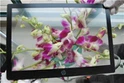
First off, let's talk a bit about what ordinary glass etching powder is. It's a product that's designed to create a frosted or etched look on glass surfaces. When mixed with water, it forms a paste that can be applied to glass. This paste then reacts with the glass, removing a thin layer and leaving behind a frosted appearance. It's a popular choice for adding a decorative touch to glass items like windows, mirrors, and even some small glassware.
Now, onto the big question: can you use it on glass display cases? The short answer is, it depends. There are a few factors you need to consider before you start slapping that etching powder on your display case.
Compatibility with the Glass
Not all glass is created equal. Glass display cases can be made from different types of glass, such as tempered glass, annealed glass, or even specialty glass with special coatings. Ordinary glass etching powder works best on annealed glass, which is the standard, untreated glass you find in most everyday items. Tempered glass, on the other hand, is a bit more tricky. It's been heat-treated to make it stronger and more resistant to breakage. The etching process might not work as well on tempered glass, and in some cases, it could even cause the glass to shatter. So, before you start etching, you need to make sure the glass in your display case is compatible with the etching powder.
The Finish You Want
Another thing to think about is the finish you're going for. Glass display cases are often used to showcase items, so you want the etched area to look good and not interfere with the view of the items inside. Ordinary glass etching powder typically creates a frosted finish. This can be great for adding a bit of privacy or a decorative touch, but it might not be ideal if you need a clear view through the glass. If you're looking for a more subtle or detailed etching, you might need to consider using a different type of etching product or technique.
Safety Considerations
Glass etching powder contains chemicals that can be harmful if not handled properly. When working with it, you need to take the necessary safety precautions. This includes wearing gloves, goggles, and a mask to protect yourself from the fumes and potential skin contact. Also, make sure you're working in a well-ventilated area. If you're etching a large glass display case, you might need to take extra care to ensure the safety of everyone in the vicinity.


Materials Needed for the Process
If you've decided that using ordinary glass etching powder on your glass display case is the way to go, you'll need to gather the right materials. You can find a detailed list of Materials Needed for Glass Etching. Here are some of the basics:
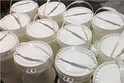
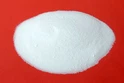
- Etching Powder: Of course, you'll need the ordinary glass etching powder. You can check out our Etching Powder for Glass for a high-quality option.
- Water: To mix the powder into a paste.
- Brushes or Applicators: To apply the paste to the glass.
- Masking Tape or Stencils: If you want to create a specific design or pattern.
- Protective Gear: Gloves, goggles, and a mask.
Step-by-Step Process
Once you have all your materials, here's a general step-by-step process for using ordinary glass etching powder on a glass display case:
- Prepare the Glass: Clean the glass surface thoroughly to remove any dirt, dust, or grease. This will ensure that the etching powder adheres properly.
- Create a Design (Optional): If you want a specific design, use masking tape or stencils to cover the areas you don't want to etch.
- Mix the Etching Powder: Follow the instructions on the powder package to mix it with water to form a paste. The consistency should be thick enough to stay on the glass but thin enough to spread easily.
- Apply the Paste: Use a brush or applicator to apply the paste to the glass surface. Make sure to apply it evenly and cover the entire area you want to etch.
- Let it Sit: Allow the paste to sit on the glass for the recommended amount of time. This can vary depending on the type of powder and the effect you want.
- Rinse and Clean: After the recommended time has passed, rinse the glass thoroughly with water to remove the paste. Use a clean cloth to dry the glass.
Alternatives to Ordinary Glass Etching Powder
If you're not sure if ordinary glass etching powder is the right choice for your glass display case, there are some alternatives you can consider. One option is YK Glass Frosting Powder (water-based). This powder is water-based, which means it's generally safer to use and has a lower environmental impact. It also creates a more uniform and smooth frosted finish, which might be better for glass display cases.
Conclusion
So, can you use ordinary glass etching powder to etch glass display cases? The answer is that it's possible, but you need to consider the type of glass, the finish you want, and the safety precautions. If you do decide to go ahead with it, make sure you have the right materials and follow the proper process. And if you're still not sure, you might want to consider an alternative product like YK Glass Frosting Powder.
If you're interested in purchasing our ordinary glass etching powder or have any questions about glass etching, feel free to reach out. We're here to help you make the right choice for your glass display case.
References
- Manufacturer's instructions for ordinary glass etching powder
- General knowledge of glass types and etching processes