Hey there! As a supplier of Quartz Glass Frosting Powder, I often get asked, "Can I use Quartz Glass Frosting Powder on glass light fixtures?" Well, let's dig into this topic and find out.
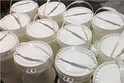
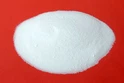
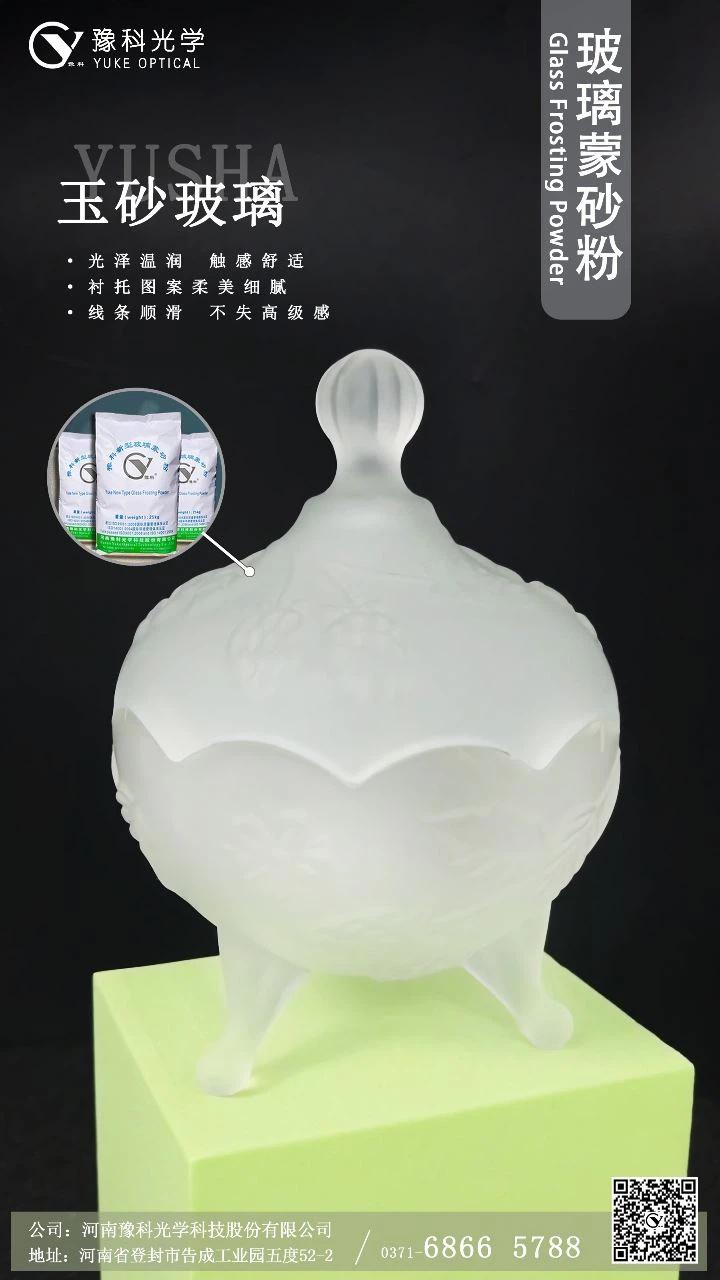
First off, what is Quartz Glass Frosting Powder? It's a nifty product that can transform the look of glass surfaces. When applied correctly, it creates a frosted effect, giving the glass a smooth, satin - like finish. This powder is made up of fine particles that react with the glass surface to etch it slightly, changing its appearance from clear to a more diffused, opaque look.
Now, let's talk about glass light fixtures. These fixtures come in all shapes and sizes, from chandeliers in fancy ballrooms to simple pendant lights in kitchens. They can be made of different types of glass, such as soda - lime glass, borosilicate glass, or even crystal. The type of glass matters because different glasses have different chemical compositions, and this can affect how they react with the frosting powder.
Compatibility with Glass Light Fixtures
In most cases, Quartz Glass Frosting Powder can be used on glass light fixtures. Soda - lime glass, which is the most common type of glass used in light fixtures, is generally compatible with the powder. The powder works by reacting with the silica in the glass to create a frosted layer. Since soda - lime glass contains a significant amount of silica, the reaction usually goes smoothly, resulting in a beautiful frosted finish.
However, there are a few things to keep in mind. If the glass light fixture has any special coatings or treatments, such as anti - glare or UV - resistant coatings, the frosting powder might not work as expected. These coatings can interfere with the chemical reaction between the powder and the glass, leading to an uneven or incomplete frosted effect. So, before you start applying the powder, it's a good idea to test it on a small, inconspicuous area of the fixture.
Another consideration is the heat resistance of the glass. Some light fixtures, especially those with high - wattage bulbs, can get quite hot. Quartz Glass Frosting Powder is designed to work at room temperature, and extreme heat can potentially affect the frosted finish. If you're using the powder on a light fixture that gets very hot, make sure the glass is heat - resistant enough to withstand the normal operating temperature of the fixture without causing the frosted layer to crack or peel.
Advantages of Using Quartz Glass Frosting Powder on Light Fixtures
Using Quartz Glass Frosting Powder on glass light fixtures has several advantages. Firstly, it can enhance the aesthetic appeal of the fixture. A frosted glass light fixture gives off a soft, diffused light, which is much more flattering than the harsh, direct light of a clear glass fixture. This can create a warm and inviting atmosphere in any room.
Secondly, the frosted finish can also help to hide any scratches or imperfections on the glass surface. Over time, glass light fixtures can get scratched or marked, and these blemishes can be quite noticeable. The frosted layer created by the powder can effectively mask these flaws, making the fixture look brand new again.
Application Process
Applying Quartz Glass Frosting Powder to glass light fixtures is a relatively straightforward process, but it does require some care and attention. Here's a step - by - step guide:
- Prepare the surface: Clean the glass light fixture thoroughly to remove any dirt, dust, or grease. You can use a mild glass cleaner and a soft cloth for this. Make sure the surface is completely dry before proceeding.
- Protect the surrounding area: Since the frosting powder is a chemical product, it can damage other surfaces if it gets on them. Use masking tape and plastic sheeting to protect the areas around the glass fixture that you don't want to get frosted.
- Mix the powder: Follow the instructions on the packaging to mix the Quartz Glass Frosting Powder with water or the recommended liquid. Stir the mixture well until it forms a smooth paste.
- Apply the paste: Use a brush or a sponge to apply the paste evenly to the glass surface. Make sure to cover the entire area that you want to frost. Work in small sections to ensure an even application.
- Let it sit: Allow the paste to sit on the glass surface for the recommended amount of time, usually a few minutes. This gives the powder enough time to react with the glass and create the frosted effect.
- Rinse off: After the recommended time has passed, rinse the glass fixture thoroughly with water to remove the paste. Use a soft cloth to dry the surface.
Other Applications of Quartz Glass Frosting Powder
Quartz Glass Frosting Powder isn't just for light fixtures. It has a wide range of applications. For example, it can be used to create Satinato Material For Satin Effect Glass Production. This type of glass is often used in interior design, such as for partitions, doors, and windows, to add a touch of elegance and privacy.
It can also be used to make Satin Effect Glass Frosting Powder, which is great for creating unique glass art pieces. Artists can use the powder to add texture and visual interest to their glass sculptures and paintings.
And if you're in the liquor industry, you can use the powder to create Satin Effect Glass Liquor Bottle. A frosted liquor bottle looks more upscale and can help to differentiate your product from the competition.

Conclusion
So, to answer the question "Can I use Quartz Glass Frosting Powder on glass light fixtures?" the answer is yes, in most cases. As long as you take the necessary precautions, such as testing on a small area first and considering the heat resistance of the glass, you can achieve a beautiful frosted finish on your glass light fixtures.
If you're interested in purchasing Quartz Glass Frosting Powder for your light fixtures or other applications, I'd love to have a chat with you. Whether you're a DIY enthusiast looking to spruce up your home or a business owner in the glass industry, I can provide you with high - quality products and expert advice. Don't hesitate to reach out for a purchase discussion.
References
- "Glass Chemistry and Properties" - General reference on the chemical composition of different types of glass.
- "Surface Treatments for Glass" - Information on special coatings and treatments on glass and their effects.
- "Frosting Techniques for Glass" - Guide on different methods of frosting glass and the use of frosting powders.