Can ordinary glass frosting powder be used on glass sculptures?
As a supplier of ordinary glass frosting powder, I often encounter inquiries from customers about the application scope of our products. One question that frequently comes up is whether ordinary glass frosting powder can be used on glass sculptures. This blog post aims to provide a detailed and scientific exploration of this topic.
Understanding Ordinary Glass Frosting Powder
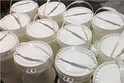
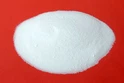
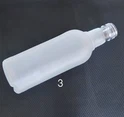
Ordinary glass frosting powder is a chemical product commonly used to create a frosted or matte effect on glass surfaces. The main components usually include fluoride compounds, which react with the glass surface to etch it, resulting in a rough texture that scatters light and gives the glass a frosted appearance. The frosting process is a chemical reaction rather than a physical coating, which means the frosted effect is more durable compared to some other surface treatments.
The advantages of using ordinary glass frosting powder are its cost - effectiveness, ease of use, and the ability to achieve a uniform frosted finish on flat or relatively simple glass objects. It is widely used in various applications such as home decoration, bathroom partitions, and glass doors. For more information on the benefits of using matte glass in home settings, you can refer to Why Choose Matt Glass in Home.
Characteristics of Glass Sculptures
Glass sculptures are unique works of art that often feature complex shapes, delicate details, and high - quality glass materials. They can range from small figurines to large - scale installations. The glass used in sculptures may have different compositions and properties compared to regular glass used in everyday applications. Some glass sculptures are made of borosilicate glass, which has better thermal resistance and chemical stability, while others may use lead glass for its high refractive index and clarity.
The design of glass sculptures often emphasizes the transparency, luster, and three - dimensionality of the glass. Artists use various techniques such as blowing, casting, and carving to create intricate shapes and textures. Therefore, any treatment applied to glass sculptures needs to be carefully considered to avoid damaging the artistic integrity and the physical properties of the glass.
Feasibility of Using Ordinary Glass Frosting Powder on Glass Sculptures
-
Surface Compatibility
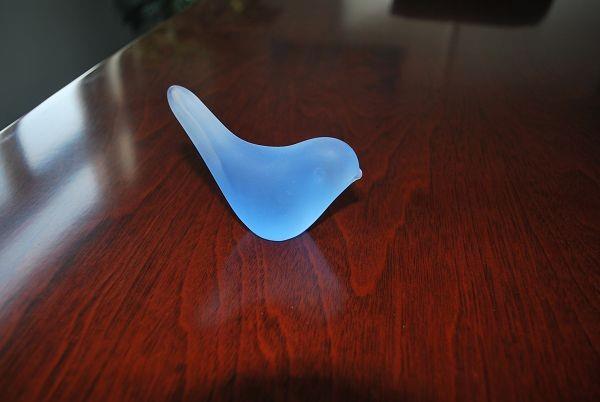

- In terms of surface compatibility, ordinary glass frosting powder can generally react with most types of glass. However, the composition of the glass in sculptures may vary, and some special - purpose glasses may have a different reaction rate or result. For example, glasses with high levels of certain additives may not achieve the desired frosted effect, or the reaction may be too aggressive and cause uneven etching or damage to the glass surface.
- The texture of glass sculptures can also pose challenges. Complex shapes and sharp edges may make it difficult to apply the frosting powder evenly. If the powder is not applied uniformly, it can result in an inconsistent frosted appearance, which is unacceptable for a work of art.
-
Artistic Impact
- From an artistic perspective, using ordinary glass frosting powder on glass sculptures may or may not be suitable depending on the artist's intention. If the artist wants to create a partial frosted effect to contrast with the clear glass areas, the powder can be used selectively. However, it is important to note that the frosted effect created by ordinary frosting powder is relatively standard and may not be able to achieve the same level of finesse as some more specialized techniques.
- For sculptures that rely on the transparency and light - refracting properties of glass, frosting the entire surface with ordinary powder may significantly reduce the aesthetic value. The frosted layer can scatter light and make the sculpture lose its original brilliance and depth.
-
Durability and Long - term Effects
- While ordinary glass frosting powder creates a relatively durable frosted effect on regular glass, its long - term performance on glass sculptures needs to be considered. The chemicals in the powder may interact with the glass over time, especially in different environmental conditions. For example, in a high - humidity or acidic environment, the frosted surface may be more prone to corrosion or degradation.
- Additionally, the mechanical stress on glass sculptures during handling and display may also affect the frosted layer. If the frosted surface is not well - adhered or has a weak structure, it may start to peel or crack, which can damage the sculpture.
Alternatives and Considerations
If the goal is to add a frosted or decorative effect to glass sculptures, there are alternative methods that may be more suitable.
- Satin Effect Glass Frosting Powder
- Satin Effect Glass Frosting Powder is a more refined option. It can create a softer, more elegant frosted effect compared to ordinary powder. This type of powder is often formulated to be more controllable, which is beneficial for glass sculptures with complex shapes. It can also be used to achieve a more subtle and artistic frosted appearance, which may be more in line with the requirements of artworks.
- Professional Coating and Etching Services
- Professional coating and etching services can provide customized solutions for glass sculptures. These services often have more advanced equipment and techniques, allowing for precise control over the frosting process. They can also offer a wider range of frosted effects, from fine - grained to more textured finishes.
Conclusion
In conclusion, while ordinary glass frosting powder can technically be used on glass sculptures, there are many factors to consider. Its surface compatibility, artistic impact, and long - term durability may not always meet the high - standard requirements of glass sculptures. However, in some cases where a simple and cost - effective frosted effect is needed, it can be used with caution.
If you are an artist or a collector interested in adding a frosted effect to glass sculptures, I encourage you to explore alternative options such as satin effect glass frosting powder or professional services. As a supplier of ordinary glass frosting powder, I am always willing to provide more information and guidance on the application of our products. If you have any questions or are interested in discussing potential procurement, please feel free to contact me for further details.
References
- General knowledge of glass chemistry and glass - frosting techniques from industry textbooks and research papers.
- Case studies and practical experiences in the glass - frosting industry.