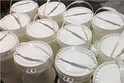
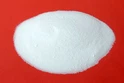
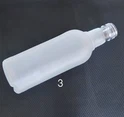
When it comes to enhancing the aesthetic appeal and functionality of glass surfaces, frosting glass powder has emerged as a popular choice among designers, artisans, and DIY enthusiasts alike. As a leading supplier of high-quality frosting glass powder, I understand the importance of achieving an even and professional finish. In this blog post, I will share some of the best practices and techniques for applying frosting glass powder evenly, ensuring stunning results every time.
Understanding Frosting Glass Powder
Before delving into the application process, it's essential to understand what frosting glass powder is and how it works. Frosting glass powder is a specialized abrasive material that, when applied to a glass surface, creates a frosted or opaque effect. This effect not only adds a touch of elegance and privacy but also diffuses light, reducing glare and creating a soft, ambient glow.
There are various types of frosting glass powder available on the market, each designed to achieve different effects. For instance, Gradual Changing Effect Glass Frosting Powder offers a unique gradient effect, while others may provide a more uniform satin or matte finish. As a supplier, I offer a wide range of options to cater to different needs and preferences.
Preparing the Glass Surface
The key to achieving an even application of frosting glass powder lies in proper surface preparation. Before applying the powder, it's crucial to clean the glass thoroughly to remove any dirt, grease, or fingerprints. Use a glass cleaner and a lint-free cloth to ensure a pristine surface. Any impurities on the glass can interfere with the frosting process and result in an uneven finish.
Once the glass is clean, it's advisable to mark the areas that you want to frost. You can use masking tape or stencils to create precise boundaries. This step is particularly important if you're working on a complex design or want to achieve a specific pattern. Make sure the tape or stencils are firmly adhered to the glass to prevent the powder from seeping underneath.
Mixing the Frosting Glass Powder
Most frosting glass powders come in a dry form and need to be mixed with a liquid medium before application. The type of liquid used can vary depending on the specific product, but water is the most common choice. Follow the manufacturer's instructions carefully when mixing the powder to ensure the correct consistency.
In general, you'll want to create a thick paste-like mixture. Start by adding a small amount of water to the powder and gradually stir until the desired consistency is reached. Avoid making the mixture too thin, as it may run off the glass and cause an uneven application. On the other hand, a mixture that is too thick may be difficult to spread evenly.
Applying the Frosting Glass Powder
There are several methods for applying frosting glass powder, each with its own advantages and considerations. The most common methods include brushing, spraying, and dipping.
Brushing
Brushing is a simple and cost-effective method for applying frosting glass powder, especially for small or intricate areas. Use a high-quality paintbrush with stiff bristles to apply the mixture evenly to the glass surface. Start from one end and work your way across, applying gentle pressure to ensure good coverage.
When brushing, it's important to maintain a consistent stroke and avoid overlapping too much. Overlapping can result in a thicker layer of powder in some areas, leading to an uneven finish. If you need to apply multiple coats, allow each coat to dry completely before applying the next one.


Spraying
Spraying is a more efficient method for covering large glass surfaces quickly and evenly. You can use a spray gun or a spray bottle to apply the frosting glass powder mixture. Before spraying, make sure the mixture is well-stirred and has a smooth consistency.
Hold the spray gun or bottle about 6-8 inches away from the glass surface and spray in a steady, sweeping motion. Start from the top and work your way down, ensuring complete coverage. It's important to maintain a consistent distance and speed when spraying to avoid creating uneven patches.
Dipping
Dipping is a suitable method for frosting small glass objects or items with complex shapes. Fill a container with the frosting glass powder mixture and carefully dip the glass object into the mixture. Make sure the entire surface is submerged and coated evenly.
Once the object is coated, remove it from the mixture and allow any excess to drip off. You can then place the object on a drying rack or a piece of paper to dry. Dipping can be a bit messy, so it's advisable to do it in a well-ventilated area and wear protective gloves.
Drying and Finishing
After applying the frosting glass powder, allow the glass to dry completely. The drying time can vary depending on the thickness of the application and the environmental conditions. In general, it may take anywhere from a few hours to overnight for the powder to dry completely.
Once the glass is dry, carefully remove the masking tape or stencils. You may notice some rough edges or uneven areas. You can use fine-grit sandpaper to smooth out these areas and achieve a more polished finish. Gently sand the surface in a circular motion, being careful not to overdo it and damage the frosted effect.
Troubleshooting Common Issues
Even with the best preparation and application techniques, you may encounter some issues when applying frosting glass powder. Here are some common problems and how to address them:
Uneven Coverage
If you notice uneven coverage after the glass has dried, it may be due to improper mixing, application, or surface preparation. You can try applying a second coat of the frosting glass powder to the areas that need more coverage. Make sure to follow the same application method and allow the second coat to dry completely.
Streaks or Lines
Streaks or lines can occur if the mixture is too thin or if the application is not done evenly. To fix this issue, you can try sanding the streaks gently with fine-grit sandpaper and then applying a new coat of the powder.
Blotchy Appearance
A blotchy appearance may be caused by impurities on the glass surface or inconsistent drying. Make sure to clean the glass thoroughly before applying the powder and allow it to dry in a well-ventilated area with consistent temperature and humidity.
Conclusion
Applying frosting glass powder evenly requires careful preparation, the right technique, and attention to detail. By following the steps outlined in this blog post, you can achieve professional-looking results and transform ordinary glass into a stunning decorative element.
Whether you're a professional designer, an artisan, or a DIY enthusiast, my company offers a wide range of high-quality frosting glass powders to meet your needs. Our products are designed to provide consistent and reliable results, and we're committed to providing excellent customer service.
If you're interested in purchasing frosting glass powder or have any questions about the application process, please don't hesitate to contact me. I'm here to help you bring your creative ideas to life and achieve the perfect frosted glass finish.
References
- Manufacturer's instructions for frosting glass powder products
- Industry best practices for glass frosting techniques