Does etching powder for glass work on glass tiles?
As a supplier of Etching Powder for Glass, I often receive inquiries from customers about the effectiveness of our etching powder on glass tiles. This blog post aims to provide a comprehensive answer to this frequently asked question, exploring the science behind glass etching, the suitability of etching powder for glass tiles, and practical tips for achieving the best results.
Understanding Glass Etching
Glass etching is a process that involves the removal or alteration of the surface of glass to create a decorative or functional effect. This can be achieved through various methods, including mechanical abrasion, sandblasting, and chemical etching. Chemical etching, in particular, is a popular choice for creating intricate designs and patterns on glass surfaces, as it allows for precise control and can be used to achieve a range of effects, from a frosted finish to a deep etch.
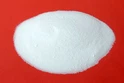
Etching powder for glass is a chemical compound that typically contains hydrofluoric acid or other strong acids, which react with the glass surface to dissolve and remove a thin layer of the glass. This process creates a rough, matte finish on the glass, which diffuses light and gives the glass a frosted appearance. The strength and duration of the etching process can be controlled by adjusting the concentration of the etching powder, the temperature of the solution, and the duration of the exposure.
Suitability of Etching Powder for Glass Tiles
Glass tiles are a popular choice for interior and exterior design, as they offer a durable, easy-to-clean, and aesthetically pleasing surface. However, not all glass tiles are suitable for etching, and the effectiveness of etching powder on glass tiles can depend on several factors, including the type of glass, the thickness of the tile, and the surface finish of the tile.
Type of Glass
The type of glass used in the tile can have a significant impact on the effectiveness of the etching process. Soda-lime glass, which is the most common type of glass used in glass tiles, is generally more susceptible to etching than other types of glass, such as borosilicate glass or tempered glass. This is because soda-lime glass contains a higher proportion of sodium and calcium, which makes it more reactive to the acids in the etching powder.
Thickness of the Tile
The thickness of the glass tile can also affect the etching process. Thicker tiles may require a longer exposure time or a higher concentration of etching powder to achieve the desired effect, as the acid needs to penetrate through a greater thickness of glass. Additionally, thicker tiles may be more prone to cracking or breaking during the etching process, especially if the etching solution is too strong or the tile is not properly supported.
Surface Finish of the Tile
The surface finish of the glass tile can also impact the effectiveness of the etching process. Tiles with a smooth, polished surface are generally easier to etch than tiles with a textured or embossed surface, as the acid can more easily penetrate and react with the smooth surface. However, tiles with a textured or embossed surface can also be etched, but the etching process may require more time and effort to achieve a uniform finish.
Tips for Etching Glass Tiles
If you are considering using etching powder for glass tiles, here are some tips to help you achieve the best results:
Choose the Right Etching Powder
Not all etching powders are created equal, and it is important to choose a high-quality etching powder that is specifically designed for use on glass tiles. Look for an etching powder that contains a high concentration of hydrofluoric acid or other strong acids, as this will ensure a more effective etching process. Additionally, make sure to follow the manufacturer's instructions carefully when using the etching powder, as improper use can result in poor etching results or damage to the glass tile.
Prepare the Glass Tile
Before etching the glass tile, it is important to prepare the surface of the tile to ensure a clean and uniform etching process. Start by cleaning the tile thoroughly with a mild detergent and water to remove any dirt, grease, or debris from the surface. Then, dry the tile completely with a clean, lint-free cloth. If the tile has a protective coating or film on the surface, make sure to remove it before etching, as this can interfere with the etching process.
Apply the Etching Powder
Once the glass tile is prepared, it is time to apply the etching powder. Start by mixing the etching powder with water according to the manufacturer's instructions to create a thick, paste-like consistency. Then, use a brush or a spatula to apply the etching powder evenly to the surface of the tile, making sure to cover the entire area that you want to etch. Avoid applying the etching powder too thickly, as this can result in uneven etching or damage to the glass tile.
Control the Etching Process
The duration of the etching process will depend on several factors, including the type of glass, the thickness of the tile, and the concentration of the etching powder. It is important to monitor the etching process carefully to ensure that you achieve the desired effect without over-etching the glass tile. Start by leaving the etching powder on the tile for a short period of time, such as 1-2 minutes, and then rinse the tile with water to check the progress of the etching. If the etching is not deep enough, you can reapply the etching powder and repeat the process until you achieve the desired effect.
Rinse and Clean the Tile
Once the etching process is complete, it is important to rinse the glass tile thoroughly with water to remove any remaining etching powder or acid from the surface. Then, clean the tile with a mild detergent and water to remove any residue or debris from the etching process. Finally, dry the tile completely with a clean, lint-free cloth.


Conclusion
In conclusion, etching powder for glass can be an effective way to create a decorative or functional effect on glass tiles. However, the effectiveness of the etching process can depend on several factors, including the type of glass, the thickness of the tile, and the surface finish of the tile. By choosing the right etching powder, preparing the glass tile properly, applying the etching powder evenly, controlling the etching process, and rinsing and cleaning the tile thoroughly, you can achieve a high-quality, professional-looking etching result on your glass tiles.
If you are interested in purchasing Etching Powder for Glass or other Glass Etching Chemical or Chemical Etching Materials For Glass Decoration, please feel free to contact us to discuss your specific needs and requirements. We would be happy to provide you with more information and assistance with your glass etching project.
References
- Glass Etching: A Comprehensive Guide. (n.d.). Retrieved from https://www.glassetchingguide.com/
- Chemical Etching of Glass. (n.d.). Retrieved from https://www.sciencedirect.com/topics/materials-science/chemical-etching-of-glass
- How to Etch Glass Tiles. (n.d.). Retrieved from https://www.doityourself.com/stry/how-to-etch-glass-tiles