As a seasoned supplier of glass frosting machines, I've witnessed firsthand the transformative impact these machines can have on various industries. From creating elegant glassware for the hospitality sector to producing unique decorative items, glass frosting machines are indispensable tools. However, to fully harness their potential, optimizing the operation process is crucial. In this blog post, I'll share some valuable insights on how to optimize the operation process of a glass frosting machine.
Understanding the Basics of Glass Frosting Machines
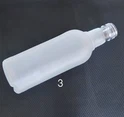
Before delving into optimization strategies, it's essential to understand the different types of glass frosting machines available. As a supplier, we offer a range of machines, including Glass Bottle Frosting Machine, Automatic Glass Bottle Frosting Machine, and Glass Frosting Powder Machine. Each type has its unique features and applications, and choosing the right machine for your specific needs is the first step towards optimization.
Pre - operation Preparation
- Machine Inspection
- Before starting the machine, conduct a thorough inspection. Check for any loose parts, damaged cables, or signs of wear and tear. Ensure that all safety guards are in place and functioning correctly. This preventive measure can help avoid unexpected breakdowns during operation.
- Examine the frosting nozzles or rollers (depending on the machine type) to ensure they are clean and unclogged. Any blockages can lead to uneven frosting results.
- Material Selection
- Select high - quality glass that is suitable for frosting. Different types of glass may react differently to the frosting process. For example, soda - lime glass is commonly used, but some specialty glasses may require specific settings on the machine.
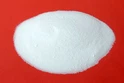
- Choose the appropriate frosting powder or solution. The quality and composition of the frosting material can significantly affect the final result. Consult with the machine manufacturer or a materials expert to select the best option for your project.
- Operator Training
- Ensure that all operators are well - trained in using the glass frosting machine. Provide comprehensive training on machine operation, safety procedures, and troubleshooting. A well - trained operator can optimize the machine's performance and reduce the risk of errors.
Optimizing the Operation Process
- Setting the Right Parameters
- Pressure and Speed: Adjust the pressure and speed settings according to the type of glass and the desired frosting effect. Higher pressure may result in a more intense frosting, while lower pressure can create a subtler effect. Similarly, the speed of the glass passing through the machine can impact the uniformity of the frosting.
- Temperature and Humidity: Control the temperature and humidity in the working environment. Extreme temperatures or high humidity can affect the performance of the frosting material and the machine. Maintain a stable environment to ensure consistent results.
- Quality Control during Operation
- Regular Sampling: Take regular samples of the frosted glass during operation to check for quality. Inspect the samples for uniformity, clarity, and the absence of defects such as streaks or spots. If any issues are detected, make immediate adjustments to the machine settings.
- Monitoring the Machine Performance: Keep an eye on the machine's performance indicators, such as power consumption, motor speed, and material flow rate. Any sudden changes in these indicators may signal a problem that needs to be addressed.
- Efficient Material Usage
- Proper Mixing: If using a frosting powder and solution mixture, ensure that it is mixed thoroughly. An uneven mixture can lead to inconsistent frosting results and waste of materials.
- Minimizing Waste: Optimize the machine settings to minimize the amount of frosting material wasted. For example, adjust the nozzles to ensure that the frosting material is applied precisely where it is needed.
Post - operation Maintenance
- Cleaning the Machine
- After each use, clean the machine thoroughly. Remove any residual frosting powder or solution from the machine components, such as the nozzles, rollers, and chambers. Use appropriate cleaning agents recommended by the machine manufacturer.
- Clean the glass - handling areas to prevent the buildup of dirt and debris, which can affect the quality of future frosting jobs.
- Lubrication and Component Replacement
- Lubricate the moving parts of the machine regularly to reduce friction and wear. Follow the manufacturer's guidelines on the type and frequency of lubrication.
- Replace any worn - out or damaged components in a timely manner. This can help extend the lifespan of the machine and maintain its performance.
- Record - keeping
- Keep a detailed record of the machine's operation, including settings, maintenance activities, and any issues encountered. This record can be valuable for future reference, troubleshooting, and continuous improvement of the operation process.
Troubleshooting Common Issues
- Uneven Frosting
- Cause: Uneven frosting can be caused by clogged nozzles, incorrect pressure settings, or a dirty machine.
- Solution: Clean the nozzles, adjust the pressure settings, and ensure that the machine is clean.
- Frosting Defects
- Cause: Defects such as streaks or spots may be due to poor quality frosting material, improper mixing, or inconsistent machine speed.
- Solution: Use high - quality frosting material, ensure proper mixing, and adjust the machine speed.
- Machine Malfunctions
- Cause: Malfunctions can be caused by electrical problems, mechanical failures, or software glitches.
- Solution: Refer to the machine's user manual for troubleshooting steps. If the problem persists, contact the machine manufacturer's technical support team.
Continuous Improvement
- Feedback Collection
- Gather feedback from operators, customers, and other stakeholders. They may have valuable insights on areas for improvement, such as new features or changes to the operation process.
- Industry Benchmarking
- Keep up with the latest trends and best practices in the glass frosting industry. Compare your operation process with industry benchmarks and identify areas where you can improve.
- Investing in Upgrades
- Consider investing in machine upgrades or new technologies that can enhance the performance and efficiency of your glass frosting process. This may include more advanced control systems, improved frosting nozzles, or automated quality control features.
Conclusion
Optimizing the operation process of a glass frosting machine is a continuous journey that requires attention to detail, proper preparation, and ongoing improvement. By following the strategies outlined in this blog post, you can enhance the performance of your machine, improve the quality of your frosted glass products, and increase your overall productivity.


If you are interested in learning more about our glass frosting machines or have any questions regarding the operation process, please feel free to contact us. We are committed to providing you with the best solutions for your glass frosting needs and look forward to the opportunity to discuss your requirements in detail.
References
- "Glass Manufacturing and Processing Handbook"
- Manufacturer's manuals for glass frosting machines
- Industry reports on glass frosting technology