Hey there! As a supplier of Flat Glass Frosting Powder, I often get asked if it requires a special mixing ratio. Well, let's dive right into this topic and clear up any confusion.
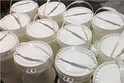
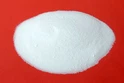
First off, understanding the basics of flat glass frosting powder is crucial. This powder is used to create that frosted look on glass, which is super popular for both decorative and functional purposes. You can check out Glass Decoration With Artistic Effect to see some amazing examples of how this powder can transform glass.
Now, to answer the question: does it need a special mixing ratio? The short answer is yes, but it's not as complicated as it might seem. The mixing ratio depends on a few factors, like the type of glass you're working with, the desired effect, and the specific brand of frosting powder you're using.
Let's start with the type of glass. Different glasses have different compositions, and this can affect how the frosting powder interacts with them. For instance, tempered glass might require a slightly different ratio compared to regular annealed glass. Tempered glass is stronger and more heat-resistant, but its surface is also more dense. So, you might need to adjust the ratio to ensure a consistent and even frosted finish.
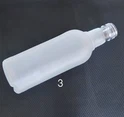
The desired effect is another important factor. If you're going for a light, subtle frosted look, you'll use a different ratio than if you want a more opaque, milky finish. For a light frosted effect, you can usually use a lower concentration of the frosting powder in the mixture. On the other hand, if you're aiming for that really dense, opaque look like you'd see on a frosted glass bottle, you'll need to increase the amount of powder. You can learn more about How To Produce The Milky Surface On Glass Bottle to get some tips on achieving that perfect opaque finish.
The brand of the frosting powder also plays a role. Each brand might have its own recommended mixing ratio, and it's usually a good idea to follow those guidelines. Some brands are formulated to be more concentrated, so you might need to use less of them in the mixture. Others might be a bit weaker, requiring a higher ratio to get the same effect. It's always a good idea to do a small test patch on a scrap piece of glass first to see how the powder works at different ratios.


Now, let's talk about the actual mixing process. The most common way to mix flat glass frosting powder is with water. You'll typically start by adding a small amount of powder to a container of water and stirring it well. You want to make sure there are no clumps in the mixture, as these can cause uneven frosting on the glass. It's a good idea to use a whisk or a stir stick to get a smooth consistency.
As you're mixing, you can gradually add more powder or water depending on the ratio you're aiming for. Keep in mind that the mixture should be thick enough to stick to the glass but not so thick that it's difficult to spread. You can test the consistency by dipping a brush or a sponge into the mixture and applying it to the scrap glass. If it drips off too easily, it's too thin, and you'll need to add more powder. If it's too thick and doesn't spread evenly, you can add a little more water.
Once you've got the right ratio and consistency, you're ready to apply the frosting mixture to the glass. You can use a brush, a sponge, or a sprayer to apply it. Just make sure to cover the entire surface evenly for a consistent frosted look. After applying the mixture, you'll need to let it sit for a certain amount of time, usually a few minutes to an hour, depending on the brand and the desired effect. Then, you can rinse it off with water, and voila! You've got a frosted glass.
Another thing to note is that some frosting powders might require the addition of other chemicals or additives. For example, some might need a small amount of acid to activate the frosting process. If this is the case, it's extremely important to follow the safety guidelines and use proper protective equipment, like gloves and goggles.
In addition to the basic water-based mixture, there are also other ways to use flat glass frosting powder. You can mix it with other substances like glycerin or alcohol to change the properties of the mixture. Glycerin can make the mixture more viscous and help it stick to the glass better, while alcohol can speed up the drying process. However, these alternative mixtures also require careful consideration of the mixing ratio.
It's also worth mentioning that the temperature and humidity of the environment can affect the frosting process. In a hot and dry environment, the mixture might dry too quickly, which can lead to an uneven finish. On the other hand, in a cold and humid environment, the drying process might be too slow, and the frosting might not set properly. You might need to adjust the ratio slightly or take other precautions, like using a heater or a dehumidifier, to create the right conditions.
Overall, while flat glass frosting powder does require a special mixing ratio, it's not something to be intimidated by. With a little bit of knowledge and some experimentation, you can find the perfect ratio for your specific project. Whether you're a DIY enthusiast looking to add a decorative touch to your home or a professional glass artist, getting the ratio right is key to achieving a great frosted finish.
If you're interested in purchasing flat glass frosting powder for your projects, I'd love to help you out. As a supplier, I have a wide range of high-quality frosting powders to choose from. Whether you need a powder for a light frosted effect or a more opaque finish, I can provide you with the right product. Just reach out, and we can start a conversation about your specific needs.
In conclusion, understanding the factors that influence the mixing ratio of flat glass frosting powder is essential for getting the best results. By considering the type of glass, the desired effect, the brand of the powder, and the environmental conditions, you can ensure a successful frosting project. And if you ever have any questions or need more advice, don't hesitate to contact me. I'm here to help you make the most of your flat glass frosting powder.
References
- General knowledge about glass frosting techniques and materials.
- Product information provided by various flat glass frosting powder manufacturers.