As a seasoned supplier in the realm of Chemical Etching Of Glass, I am thrilled to delve into the topic of the quality of etched glass produced by chemical etching. Chemical etching has long been a cornerstone technique in the glass - working industry, offering a unique blend of precision, versatility, and aesthetic appeal.
The Basics of Chemical Etching of Glass
Chemical etching of glass involves the use of specific chemical solutions to selectively remove the surface layer of the glass, creating a variety of effects. This process is highly controllable, allowing for the creation of intricate designs, patterns, and textures on glass surfaces. The key to high - quality etched glass lies in the proper selection and application of the etching chemicals.
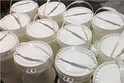
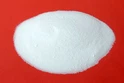
One of the most commonly used chemical solutions for glass etching is hydrofluoric acid (HF). Hydrofluoric acid is extremely effective at reacting with the silica in glass, breaking down its molecular structure and creating the characteristic frosted or etched appearance. However, due to its high toxicity, alternative chemicals and formulations have been developed over the years. These alternatives, such as the Chemical Glass Etching Solution, offer a safer yet still effective way to etch glass.


Factors Affecting the Quality of Chemically Etched Glass
Chemical Composition of the Etching Solution
The chemical composition of the etching solution is of utmost importance. A well - formulated solution will etch the glass evenly, without leaving behind any streaks, spots, or uneven etching. Different solutions are designed for different types of glass and desired effects. For example, some solutions are optimized for creating a fine, smooth frosted finish, while others are better suited for creating more pronounced textures or patterns.
The Etching Glass by Acid Chemical resource provides detailed information on the various acid - based etching solutions and their applications. These solutions typically contain a combination of acids, additives, and solvents that work together to achieve the desired etching result.
Glass Type and Quality
The type and quality of the glass being etched also play a significant role in the final outcome. Different types of glass, such as soda - lime glass, borosilicate glass, and lead glass, have different chemical compositions and physical properties. These differences can affect how the glass reacts to the etching solution.
High - quality glass with a uniform composition and smooth surface will generally yield better - quality etched results. Imperfections in the glass, such as bubbles, inclusions, or surface scratches, can cause uneven etching or other defects in the final product. Therefore, it is crucial to start with high - grade glass when aiming for top - quality etched glass.
Etching Process Parameters
The etching process parameters, including temperature, time, and agitation, have a direct impact on the quality of the etched glass. The temperature of the etching solution can affect the rate of the chemical reaction. Higher temperatures generally result in faster etching, but if the temperature is too high, it can lead to over - etching or other quality issues.
The duration of the etching process is also critical. Over - etching can cause the glass to become too thin or develop a rough, uneven surface, while under - etching may result in a faint or incomplete etching effect. Agitation of the etching solution helps to ensure even distribution of the chemicals and a more uniform etching result.
Characteristics of High - Quality Chemically Etched Glass
Uniformity of Etching
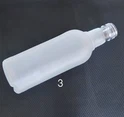
One of the hallmarks of high - quality etched glass is the uniformity of the etching. The etched area should have a consistent appearance, with no visible variations in the depth or intensity of the etching. This uniformity is achieved through careful control of the etching process parameters and the use of high - quality etching solutions.
Sharpness of Details
For etched glass with intricate designs or patterns, the sharpness of the details is a key indicator of quality. High - quality etched glass will have well - defined edges and clear, distinct patterns. This requires precise masking techniques and a high - performance etching solution that can accurately reproduce the desired design on the glass surface.
Surface Finish
The surface finish of the etched glass is another important aspect of quality. A smooth, even surface finish is desirable, as it not only enhances the aesthetic appeal of the glass but also makes it easier to clean and maintain. The type of etching solution used and the post - etching treatment can influence the surface finish of the glass.
Applications of High - Quality Chemically Etched Glass
High - quality chemically etched glass has a wide range of applications in various industries. In the architectural and interior design fields, etched glass is used for decorative purposes, such as creating privacy screens, partitions, and decorative panels. The unique patterns and textures of etched glass can add a touch of elegance and sophistication to any space.
In the automotive industry, etched glass is used for automotive windows and mirrors. The etched patterns can provide privacy, reduce glare, and enhance the overall appearance of the vehicle. In the electronics industry, etched glass is used in display screens and touchscreens, where the precise etching of patterns and electrodes is required.
The Material For Frosted Glass Decoration offers inspiration and materials for using etched glass in decorative applications. Whether it's for a modern office building or a luxury home, high - quality etched glass can transform the look and feel of a space.
Ensuring Quality in Chemical Glass Etching
As a supplier of Chemical Etching Of Glass, we are committed to ensuring the highest quality in our products. We use only the finest - grade glass and the most advanced etching solutions to produce etched glass that meets or exceeds our customers' expectations.
Our quality control process includes rigorous testing of the etched glass at every stage of production. We inspect the glass for uniformity of etching, sharpness of details, and surface finish. Any glass that does not meet our strict quality standards is rejected.
Contact for Purchase and Collaboration
If you are interested in high - quality chemically etched glass for your projects, we invite you to reach out to us. We offer a wide range of etched glass products, including custom - designed solutions to meet your specific requirements. Our team of experts is ready to assist you in choosing the right type of etched glass and provide you with detailed information on our products and services. Contact us today to start a discussion about your glass etching needs.
References
- Smith, J. (2018). Glass Etching Techniques and Applications. Glass Technology Press.
- Brown, A. (2020). Chemical Processes in Glass Manufacturing and Etching. Chemical Industry Journal.
- Green, M. (2019). Quality Control in Glass Etching Production. Quality Assurance Magazine.