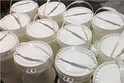
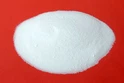
As a supplier of glass frosting materials, one of the most frequently asked questions I encounter is whether these materials have an odor. This is a valid concern, especially for applications where indoor air quality is crucial, such as in homes, offices, and healthcare facilities. In this blog post, I will delve into the topic and provide you with a comprehensive answer.
Understanding Glass Frosting Materials
Before we discuss the potential odor of glass frosting materials, it's essential to understand what they are and how they work. Glass frosting materials are used to create a frosted or matte finish on glass surfaces. This finish can enhance privacy, reduce glare, and add an aesthetic appeal to glass objects. There are several types of glass frosting materials available on the market, including:
- Etching creams: These are chemical solutions that contain strong acids, such as hydrofluoric acid, which react with the glass surface to create a frosted effect.
- Frosting films: These are adhesive films that can be applied to the glass surface to create a frosted appearance. They are available in various patterns and textures.
- Sanding materials: These include abrasive papers, pads, and powders that are used to physically sand the glass surface to create a frosted finish.
Odor in Glass Frosting Materials
The presence of an odor in glass frosting materials depends on several factors, including the type of material, the manufacturing process, and the ingredients used. Let's take a closer look at each type of glass frosting material and its potential odor:
Etching Creams
Etching creams are known for their strong chemical odor. This is because they contain hydrofluoric acid, which is a highly corrosive and toxic substance. The odor of etching creams can be overpowering and unpleasant, and it can linger in the air for several hours after application. In addition to the odor, etching creams can also release harmful fumes that can cause respiratory problems, skin irritation, and eye damage. Therefore, it is essential to use etching creams in a well-ventilated area and to wear appropriate protective gear, such as gloves, goggles, and a respirator.
Frosting Films
Frosting films generally do not have a strong odor. However, some low-quality films may emit a slight odor when they are first applied. This odor is usually caused by the adhesive used to attach the film to the glass surface. The odor typically dissipates within a few hours or days after application. To minimize the odor, it is recommended to choose high-quality frosting films from reputable manufacturers.
Sanding Materials
Sanding materials, such as abrasive papers and pads, do not have a significant odor. However, when sanding glass, dust particles are generated, which can cause respiratory problems if inhaled. Therefore, it is important to wear a dust mask and to use a vacuum cleaner or a wet sponge to clean up the dust after sanding.


Factors Affecting Odor
In addition to the type of glass frosting material, several other factors can affect the odor:
Manufacturing Process
The manufacturing process can have a significant impact on the odor of glass frosting materials. Some manufacturers use high-quality ingredients and advanced manufacturing techniques that minimize the production of odorous compounds. On the other hand, some manufacturers may use low-quality ingredients or outdated manufacturing processes that result in a stronger odor. Therefore, it is important to choose glass frosting materials from reputable manufacturers that adhere to strict quality control standards.
Storage Conditions
The storage conditions can also affect the odor of glass frosting materials. If the materials are stored in a hot or humid environment, they may emit a stronger odor. This is because heat and humidity can cause the chemicals in the materials to break down and release odorous compounds. Therefore, it is recommended to store glass frosting materials in a cool, dry place.
Application Method
The application method can also affect the odor of glass frosting materials. For example, if etching creams are applied in a thick layer or if they are left on the glass surface for too long, they may emit a stronger odor. Therefore, it is important to follow the manufacturer's instructions carefully when applying glass frosting materials.
Minimizing Odor
If you are concerned about the odor of glass frosting materials, there are several steps you can take to minimize it:
Choose Low-Odor Materials
As mentioned earlier, some glass frosting materials have a stronger odor than others. Therefore, it is important to choose low-odor materials, such as high-quality frosting films and sanding materials.
Use in a Well-Ventilated Area
When applying glass frosting materials, it is essential to use them in a well-ventilated area. This will help to dissipate the odor and reduce the risk of respiratory problems. You can open windows and doors, use a fan, or work in an outdoor area.
Follow the Manufacturer's Instructions
It is important to follow the manufacturer's instructions carefully when applying glass frosting materials. This includes using the correct amount of material, applying it evenly, and leaving it on the glass surface for the recommended amount of time. Following the instructions will help to ensure that the materials work effectively and that the odor is minimized.
Clean Up Properly
After applying glass frosting materials, it is important to clean up properly. This includes removing any excess material, wiping down the glass surface, and disposing of the materials safely. Cleaning up properly will help to prevent the odor from lingering in the air.
Conclusion
In conclusion, the presence of an odor in glass frosting materials depends on several factors, including the type of material, the manufacturing process, and the ingredients used. Etching creams are known for their strong chemical odor, while frosting films and sanding materials generally have a minimal odor. To minimize the odor, it is important to choose low-odor materials, use them in a well-ventilated area, follow the manufacturer's instructions, and clean up properly.
If you are interested in learning more about glass frosting materials, I recommend checking out the following resources:
- How To Get Glass A Matt Surface
- Satinato Material For Satin Effect Glass Production
- Oil Sand Effect Colored Glass Vases
If you are in the market for high-quality glass frosting materials, please feel free to contact us. We are a leading supplier of glass frosting materials, and we offer a wide range of products to meet your needs. Our materials are of the highest quality, and we are committed to providing our customers with excellent service. Contact us today to discuss your requirements and to get a quote.
References
- ASTM International. (2021). Standard guide for safety in the use of glass etching compounds. ASTM F1671/F1671M - 13(2021).
- Occupational Safety and Health Administration. (2021). Hazard communication standard. 29 CFR 1910.1200.