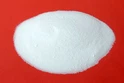
In the glass processing industry, flat glass frosting powder is a key material used to create various aesthetic and functional finishes on glass surfaces. As a reliable supplier of flat glass frosting powder, I've witnessed firsthand the different outcomes and processes associated with both manual and machine application methods. Understanding the differences between these two approaches is crucial for glass manufacturers, artists, and designers to achieve the desired results efficiently and cost - effectively.
Manual Application of Flat Glass Frosting Powder
Manual application of flat glass frosting powder is a traditional method that has been used for many years. It involves a hands - on approach, which gives a high level of control over the frosting process.
One of the primary advantages of manual application is its flexibility. Skilled workers can create custom patterns and designs on the glass surface. For instance, an artist might want to create a one - of - a - kind Oil Sand Effect Glass Cup with unique frosting details. Manual application allows them to use tools like brushes, sponges, or stencils to apply the frosting powder precisely where needed. This level of customization is difficult to achieve with machine - based methods.
Another benefit is the relatively low initial investment. Manual application does not require expensive machinery, making it an attractive option for small - scale glass workshops or hobbyists. All that is needed are basic tools, the frosting powder, and a suitable workspace. This makes it accessible for those who are just starting in the glass - frosting business or those with limited budgets.
However, manual application also has its drawbacks. It is a labor - intensive process. Workers need to spend a significant amount of time applying the powder evenly and carefully. This can lead to higher labor costs, especially for large - scale production. Moreover, the quality of the finish can vary depending on the skill and experience of the worker. Inconsistencies in application may result in uneven frosting, which can be a problem for products that require a high - quality, uniform appearance, such as Satin Effect Red Glass Vase.
The speed of manual application is also relatively slow. For mass - producing glass products, the time required to manually frost each piece can be a major bottleneck. This can limit the production capacity of a workshop and make it difficult to meet large orders within a short time frame.
Machine Application of Flat Glass Frosting Powder
Machine application of flat glass frosting powder has gained popularity in recent years, especially in large - scale manufacturing facilities. It offers several advantages over manual application.
The most significant advantage is the high production speed. Machines can apply the frosting powder quickly and uniformly across large glass surfaces. This is ideal for mass - producing glass products like Satin Effect Moulded Glass. With the ability to process multiple pieces simultaneously, production volumes can be significantly increased, allowing manufacturers to meet high - demand orders more efficiently.
Consistency is another key benefit of machine application. Machines are programmed to apply the frosting powder with a high degree of precision. This results in a more uniform finish across all glass pieces, reducing the likelihood of quality issues. Whether it's a small batch or a large production run, the quality of the frosting remains consistent, which is essential for maintaining brand reputation and customer satisfaction.
Machine application also reduces the reliance on human labor. This can lead to cost savings in the long run, as there is less need for a large workforce. Additionally, machines can operate continuously for long periods, increasing overall productivity.
However, machine application also has its limitations. The initial investment in machinery is substantial. High - quality glass frosting machines can be expensive to purchase, install, and maintain. This can be a significant barrier for small - scale businesses or those with limited financial resources.
Another drawback is the lack of flexibility. Machines are typically designed for specific types of glass products and frosting patterns. Changing the production setup to accommodate different designs or glass shapes can be time - consuming and costly. This makes it less suitable for custom - made or small - batch production where frequent design changes are required.
Comparison of Key Factors
Quality
In terms of quality, both methods can produce high - quality results, but in different contexts. Manual application can achieve a high level of detail and customization, which is ideal for artistic or bespoke glass products. On the other hand, machine application offers greater consistency and uniformity, making it better for mass - produced items that require a standard appearance.
Cost
Cost is a major consideration for any business. Manual application has lower initial investment costs but higher labor costs, especially for large - scale production. Machine application has a high upfront cost for machinery but can lead to long - term savings in labor and increased productivity. The choice between the two depends on the scale of production and the budget of the business.
Speed
Machine application is much faster than manual application, making it the preferred choice for high - volume production. Manual application is slower but can be more suitable for small - scale or custom work where speed is not the primary concern.
Flexibility
Manual application offers greater flexibility in terms of design and customization. Workers can easily adapt to different patterns and glass shapes. Machine application is less flexible and is better suited for standardized production.
Conclusion
In conclusion, both manual and machine application of flat glass frosting powder have their own unique advantages and disadvantages. The choice between the two depends on various factors such as the scale of production, the level of customization required, the budget, and the desired quality of the finished product.


For small - scale workshops, hobbyists, or those looking for highly customized glass products, manual application may be the best option. It allows for creativity and a personal touch. On the other hand, large - scale manufacturers with high - volume production needs are likely to benefit from machine application, which offers speed, consistency, and long - term cost savings.
As a supplier of flat glass frosting powder, I am committed to providing high - quality products that work well with both manual and machine application methods. Whether you are a small - scale artist or a large - scale manufacturer, I can offer the right frosting powder to meet your specific needs.
If you are interested in purchasing flat glass frosting powder or have any questions about the application methods, please feel free to contact me. I am here to assist you in achieving the best results for your glass products.
References
- "Glass Processing Handbook", [Author's Name], [Publication Year]
- "Advances in Glass Frosting Techniques", [Research Institute], [Publication Year]
- Industry reports on glass manufacturing trends, various industry research firms, [Recent Years]