Hey there! As a supplier of glass frosting powder, I've been getting a lot of questions lately about whether the powder needs to be cured after application. It's a valid question, and one that I'm more than happy to dive into. So, let's get right into it!
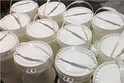
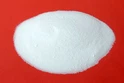
First off, let's talk a bit about what glass frosting powder is and how it works. Glass frosting powder is a special material that, when applied to glass surfaces, can transform the clear glass into a frosted, opaque, or satin - like finish. You can check out Material To Get Opaque Satin Effect to learn more about the kind of effects you can achieve.
The application process of glass frosting powder usually involves mixing it with a suitable liquid (often water or a specific activator) to form a paste. Then, this paste is spread evenly over the glass surface. It's a relatively straightforward process, but the real question is what happens after the application.
Now, to answer the big question: does glass frosting powder need to be cured after application? The short answer is, it depends.
When Curing Is Necessary
In many cases, especially for high - quality and long - lasting results, curing the glass frosting powder is highly recommended. Curing is basically a process that allows the chemical reactions in the powder to fully complete and the frosting effect to set properly.


When you apply the glass frosting powder, the active ingredients in it react with the surface of the glass. But these reactions don't always finish immediately. By curing the powder, you're giving these reactions the time and conditions they need to reach their full potential.
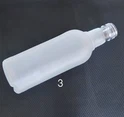
For example, if you're using the glass frosting powder on glass items that will be exposed to harsh conditions, like glass doors in a busy commercial building or glass cosmetic bottles that will be handled frequently, curing is essential. These items need a strong and durable frosting effect that can withstand wear and tear. You can learn more about using glass frosting powder on cosmetic bottles at Satin Effect For Glass Cosmetic Bottle.
The curing process typically involves letting the applied powder sit for a certain period of time under specific conditions. This could mean leaving it at room temperature for a few hours or even days, depending on the product. Some glass frosting powders may also require a bit of heat to speed up the curing process. However, you need to be careful with heat, as too much can damage the glass or cause the frosting to look uneven.
When Curing Might Not Be Essential
There are situations where you might not need to cure the glass frosting powder. If you're using the powder for a temporary or less - demanding application, like a DIY home decoration project where the glass won't be subjected to much stress, you might be able to skip the curing step.
For instance, if you're making a simple frosted glass vase for a short - term event or a one - time display, the natural drying of the powder might be enough to give you an acceptable frosting effect. In these cases, the main goal is to quickly achieve a frosted look, and a long - term, super - durable finish isn't a priority.
Factors Affecting the Need for Curing
Several factors can influence whether you should cure the glass frosting powder.
Type of Glass: Different types of glass react differently to the frosting powder. For example, tempered glass has a different surface structure compared to regular annealed glass. Tempered glass may require a more thorough curing process to ensure the frosting adheres well and looks consistent.
Environmental Conditions: The temperature and humidity in the area where you're applying the powder can play a big role. In a warm and dry environment, the powder may dry and set faster, and the curing process might be quicker. On the other hand, in a cold and humid environment, the reactions in the powder may slow down, and you may need to give it more time to cure properly.
Desired Finish: If you're aiming for a very smooth and uniform satin finish, curing is usually a must. The curing process helps the powder to settle evenly on the glass surface, reducing the chances of streaks or uneven patches. You can find more about achieving different finishes with glass frosting powder at Glass Frosting Material - Glass Decoration.
How to Cure Glass Frosting Powder
If you've decided that curing is necessary for your project, here's a general guide on how to do it.
First, make sure the glass surface is clean and dry before applying the powder. After applying the powder paste, use a spatula or a brush to spread it evenly. Once the powder is applied, cover the glass (if possible) to protect it from dust and debris.
If the product instructions recommend room - temperature curing, simply leave the glass in a stable environment. Avoid moving or touching the glass during the curing period to prevent smudging or uneven curing.
If heat is required for curing, you can use a low - heat source like a heat gun on a low setting. Keep the heat gun at a safe distance from the glass to avoid overheating. Move the heat gun slowly and evenly over the glass surface to ensure uniform curing.
Conclusion
In conclusion, whether glass frosting powder needs to be cured after application depends on various factors such as the type of application, the type of glass, and the desired finish. For long - lasting and high - quality results, especially in commercial or high - stress applications, curing is usually a good idea. But for more temporary or less - demanding projects, you might be able to skip it.
As a supplier of glass frosting powder, I'm always here to help you make the best decision for your project. If you have any questions about which product is right for you or how to apply and cure it, don't hesitate to reach out. Whether you're a professional in the glass decoration industry or a DIY enthusiast, I can provide you with the information and support you need. So, if you're interested in purchasing our glass frosting powder, feel free to contact us for more details and to start a procurement discussion.
References
- General knowledge of glass frosting powder application and curing processes.
- Product manuals and technical data sheets of glass frosting powders.