As a supplier of ordinary glass etching powder, I've received numerous inquiries about achieving fine - detailed etching using our product. In this blog, I'll share some in - depth knowledge and practical tips on how to achieve a fine - detailed etching with ordinary glass etching powder.
Understanding the Basics of Glass Etching
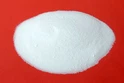
Glass etching is a process that involves the use of chemicals to create a decorative or functional finish on glass surfaces. Ordinary glass etching powder typically contains substances like ammonium bifluoride or other fluoride - based compounds. These chemicals react with the silica in the glass, gradually removing the outer layer of the glass and creating a frosted or etched appearance.
Selecting the Right Glass
The first step in achieving a fine - detailed etching is to choose the right type of glass. Not all glasses are created equal when it comes to etching. Soda - lime glass, which is commonly used in windows, bottles, and other household items, is a great choice for etching. It reacts well with the etching powder and provides a consistent surface for detailed work.
Avoid using tempered glass, as it is heat - treated and has a different internal structure. Etching tempered glass can cause it to shatter due to the stress relief that occurs during the etching process.
Preparing the Glass Surface
Before applying the etching powder, it's crucial to prepare the glass surface properly. Start by cleaning the glass thoroughly with a glass cleaner and a lint - free cloth. Remove any dirt, grease, or fingerprints, as these can interfere with the etching process and result in an uneven finish.
Next, dry the glass completely. You can use a clean, dry cloth or let it air - dry. A dry surface ensures that the etching powder adheres evenly and reacts uniformly with the glass.
Creating a Stencil
To achieve fine - detailed etching, you'll need a stencil. A stencil acts as a mask, protecting the areas of the glass that you don't want to etch. You can create a stencil using various materials, such as vinyl, contact paper, or even masking tape for simpler designs.
For more intricate designs, you can use a vinyl cutter. These machines can cut precise shapes and patterns from vinyl sheets, allowing you to create highly detailed stencils. Once you've cut the stencil, carefully apply it to the glass surface, making sure there are no air bubbles or wrinkles. Press the stencil firmly to ensure good adhesion.
Mixing the Etching Powder
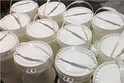
Follow the manufacturer's instructions when mixing the ordinary glass etching powder. Usually, you'll need to mix the powder with water to create a paste - like consistency. The ratio of powder to water can vary depending on the brand and type of etching powder.
Use a non - reactive container, such as a plastic or glass bowl, to mix the powder. Stir the mixture thoroughly until it is smooth and free of lumps. Be careful when handling the etching powder, as it can be harmful if it comes into contact with your skin or eyes. Wear protective gloves, goggles, and a mask to avoid inhalation or skin contact.
Applying the Etching Paste
Once the etching paste is ready, use a brush or a spatula to apply it evenly over the exposed areas of the glass (the areas not covered by the stencil). Make sure to apply a thick enough layer to ensure a consistent etch, but not so thick that it drips or runs.
Work slowly and carefully, especially when dealing with fine details. You can use a small brush for intricate areas to ensure precise application. After applying the etching paste, let it sit for the recommended time. This time can range from a few minutes to half an hour, depending on the strength of the etching powder and the desired depth of the etch.
Monitoring the Etching Process
During the etching process, it's important to monitor the progress. Check the glass periodically to see how the etching is developing. You can gently wipe away a small area of the paste with a damp cloth to inspect the etch. If the etch is not deep enough, you can leave the paste on for a little longer. However, be careful not to over - etch, as this can result in a rough or uneven surface.
Removing the Etching Paste and Stencil
Once the etching is complete, carefully remove the etching paste. You can use a damp cloth or a sponge to wipe away the paste. Rinse the glass thoroughly with water to remove any remaining residue.
After rinsing, carefully peel off the stencil. If there are any small pieces of stencil left on the glass, you can use a razor blade or a plastic scraper to remove them gently.
Finishing Touches
After removing the stencil and cleaning the glass, you can give the etched area a final polish. Use a fine - grit sandpaper or a polishing compound to smooth out any rough edges and give the etched area a more professional look.
Our Product Advantages
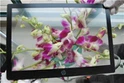
As a supplier of ordinary glass etching powder, we offer high - quality products that are suitable for achieving fine - detailed etching. Our Material For Frosted Glass Decoration is formulated to provide a consistent and precise etch. It contains the right balance of chemicals to ensure a smooth and even finish on the glass surface.
Our Chemical Etching Materials For Glass Decoration are carefully tested to meet industry standards. They are easy to mix and apply, making them suitable for both beginners and experienced glass artists.

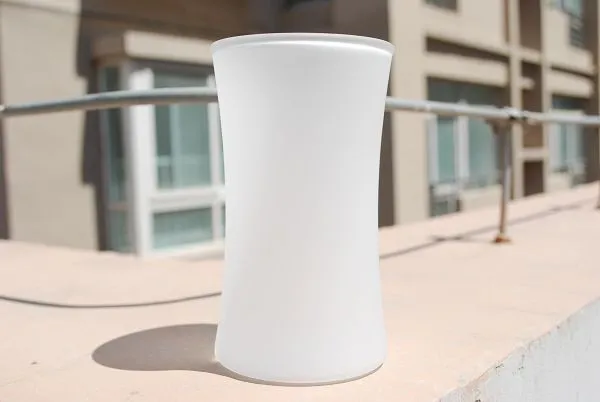
Moreover, our Environmentally Friendly Etching Powder is designed with the environment in mind. It contains fewer harmful chemicals compared to traditional etching powders, reducing the impact on the environment while still delivering excellent etching results.
Contact Us for Procurement
If you're interested in purchasing our ordinary glass etching powder for your glass etching projects, we'd love to hear from you. Whether you're a professional glass artist, a DIY enthusiast, or a business looking to incorporate glass etching into your products, our products can meet your needs. Contact us to start a procurement discussion, and we'll be happy to provide you with more information about our products, pricing, and delivery options.
References
- "Glass Etching Techniques" by Glass Art Association.
- "The Chemistry of Glass Etching" in Journal of Chemical Education.
- Manufacturer's instructions for our ordinary glass etching powder.