As a supplier of glass frosting materials, I often encounter inquiries from customers about whether these materials change the transparency of glass. This is a crucial question, especially for those in industries where the aesthetic and functional properties of glass are of utmost importance. In this blog post, I'll delve into the science behind glass frosting materials and how they affect glass transparency.
Understanding Glass Transparency
Before we discuss how glass frosting materials impact transparency, it's essential to understand what transparency means in the context of glass. Transparency refers to the ability of glass to transmit light without significant scattering. Clear glass is highly transparent, allowing light to pass through it with minimal distortion, which is why it's commonly used in windows, eyeglasses, and display cases.
The transparency of glass is determined by several factors, including its chemical composition, thickness, and surface smoothness. Impurities in the glass can absorb or scatter light, reducing transparency. Similarly, a rough or uneven surface can cause light to scatter in different directions, making the glass appear hazy or opaque.
How Glass Frosting Materials Work
Glass frosting materials are designed to alter the surface of glass, creating a frosted or matte appearance. There are several types of glass frosting materials available on the market, including powders, sprays, and films. Each type works in a slightly different way, but the overall goal is the same: to create a rough or textured surface on the glass that scatters light.
Chemical Etching
One of the most common methods of glass frosting is chemical etching. This involves applying a chemical solution, such as hydrofluoric acid or ammonium bifluoride, to the surface of the glass. The chemicals react with the glass, dissolving the outer layer and creating a rough, frosted surface. Chemical etching can be used to create a variety of effects, from a subtle satin finish to a more pronounced opaque appearance.


The advantage of chemical etching is that it creates a permanent and durable frosted finish. However, it requires careful handling of hazardous chemicals and specialized equipment. Additionally, the process can be time-consuming and may require multiple applications to achieve the desired effect.
Abrasive Blasting
Another method of glass frosting is abrasive blasting. This involves using a high-pressure stream of abrasive particles, such as sand or glass beads, to blast the surface of the glass. The abrasive particles remove the outer layer of the glass, creating a rough, frosted texture. Abrasive blasting can be used to create a variety of patterns and designs on the glass, and it is often used in architectural and decorative applications.
The advantage of abrasive blasting is that it is a relatively quick and cost-effective method of glass frosting. However, it can be difficult to control the depth and uniformity of the frosting, and it may cause damage to the glass if not done properly.
Frosting Films and Sprays
Frosting films and sprays are a popular alternative to chemical etching and abrasive blasting. These products are easy to apply and can be used to create a temporary or permanent frosted effect on the glass. Frosting films are typically made of a thin, flexible plastic material that is coated with a frosted adhesive. The film is applied to the surface of the glass, and the adhesive creates a frosted appearance.
Frosting sprays are similar to frosting films, but they are applied as a liquid spray. The spray dries to form a frosted coating on the glass. Frosting sprays are easy to use and can be used to create a variety of effects, from a subtle satin finish to a more pronounced opaque appearance.
Impact on Glass Transparency
The primary effect of glass frosting materials is to reduce the transparency of the glass. By creating a rough or textured surface on the glass, the materials scatter light in different directions, making the glass appear hazy or opaque. The degree of transparency reduction depends on several factors, including the type of frosting material used, the application method, and the desired effect.
Subtle Satin Finish
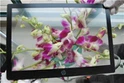
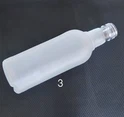
For a subtle satin finish, the transparency of the glass is only slightly reduced. The light is scattered just enough to create a soft, diffused effect, while still allowing some visibility through the glass. This type of finish is often used in applications where privacy is desired, but some light transmission is still needed, such as bathroom windows or office partitions. You can learn more about the satin effect used on all kinds of cosmetic bottles here.
Opaque Effect
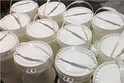
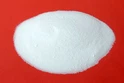
If a more opaque effect is desired, the transparency of the glass can be significantly reduced. This is achieved by using a thicker layer of frosting material or by applying the material multiple times. An opaque frosted glass can completely block the view through the glass, making it ideal for applications where privacy is of utmost importance, such as shower enclosures or hotel room doors. The glass frosting powder for glass lamp shades, light fixtures, home ware, vases, containers bottles and art glass can be used to achieve such opaque effects in various decorative items.
Patterned Frosting
Patterned frosting can also be used to create a unique visual effect while still maintaining some transparency. By selectively applying the frosting material, patterns or designs can be created on the glass. The areas where the frosting material is applied will be less transparent, while the areas without the frosting will remain clear. This technique is often used in architectural and decorative applications to add a touch of creativity and style.
Applications of Frosted Glass
Frosted glass has a wide range of applications in various industries due to its unique combination of aesthetic appeal and functional properties. Here are some common applications:
Architecture and Interior Design
In architecture and interior design, frosted glass is used to create partitions, doors, windows, and decorative elements. It provides privacy while still allowing natural light to enter the space. Frosted glass can also be used to add a modern and stylish touch to a room. For example, chemical for matt glass decoration here can be used to create beautiful and unique glass installations in commercial and residential buildings.
Packaging
Frosted glass is also popular in the packaging industry, especially for cosmetic and perfume bottles. The frosted finish gives the bottles a luxurious and elegant look, while also protecting the contents from light. The satin effect used on all kinds of cosmetic bottles enhances the visual appeal of the products and makes them more attractive to consumers.
Lighting
In lighting applications, frosted glass is used to diffuse light and create a soft, warm glow. Frosted glass lamp shades and light fixtures are commonly used in homes, offices, and public spaces to provide a comfortable and inviting atmosphere.
Conclusion
In conclusion, glass frosting materials do change the transparency of glass. By creating a rough or textured surface on the glass, these materials scatter light, reducing the transparency and creating a frosted or matte appearance. The degree of transparency reduction can vary depending on the type of frosting material used, the application method, and the desired effect.
As a supplier of glass frosting materials, I offer a wide range of products to meet the diverse needs of my customers. Whether you're looking for a subtle satin finish or a more opaque effect, I can provide you with the right glass frosting material and guidance on how to achieve the best results.
If you're interested in purchasing glass frosting materials or have any questions about our products, please feel free to contact me. I'm always happy to assist you with your glass frosting needs and help you find the perfect solution for your project.
References
- "Glass: Science and Technology" by David R. Uhlmann and Norman J. Kreidl
- "The Chemistry of Glass" by George W. Morey
- "Glass Processing Technology" by P. W. McMillan