Making a gradient effect with glass etching cream is a fascinating and creative process that can transform ordinary glass items into stunning works of art. As a supplier of high - quality glass etching cream, I'm excited to share with you the steps and tips on how to achieve this beautiful effect.
Understanding Glass Etching Cream
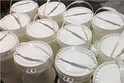
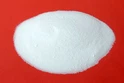
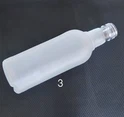
Before we dive into creating the gradient effect, it's important to understand what glass etching cream is. Glass etching cream is a chemical product designed to etch or frost the surface of glass. The chemicals in the cream work by reacting with the glass, creating a rough surface that scatters light, giving the glass a frosted appearance. For more information on the chemicals used in glass etching cream, you can visit Glass Etching Cream Chemicals.
There are different types of glass etching cream available, such as Chemical Glass Etching Cream and Glass Etching Paste. Each type has its own characteristics, but the general principle of creating an etched effect remains the same.
Materials Needed
- Glass Etching Cream: Choose a high - quality cream that suits your project. Our range of glass etching creams is formulated to provide a smooth and consistent etch.
- Glass Surface: You can use various glass items like glass panels, vases, glasses, or mirrors. Make sure the glass is clean and free of any dirt, grease, or fingerprints.
- Stencils: These are used to create the desired pattern. You can purchase pre - made stencils or create your own using vinyl or other suitable materials.
- Spatula or Applicator: To apply the glass etching cream evenly on the glass surface.
- Gloves and Safety Goggles: Glass etching cream is a chemical product, so it's important to protect your hands and eyes during the process.
- Water and a Soft Cloth: For cleaning the glass after the etching process.
Preparing the Glass
The first step is to clean the glass thoroughly. Use a glass cleaner and a soft cloth to remove any dirt or grease. You can also wash the glass with warm, soapy water and rinse it well. Dry the glass completely before proceeding. This ensures that the glass etching cream adheres properly to the surface and creates a clean etch.
Creating the Gradient Effect
- Plan Your Design: Decide on the gradient effect you want to achieve. You can create a vertical, horizontal, or diagonal gradient. Sketch your design on a piece of paper to visualize how it will look on the glass.
- Apply the Stencil: Carefully place the stencil on the glass surface. Make sure it is firmly attached and there are no air bubbles or gaps. If you are creating a gradient, you may need to use multiple stencils or cut the stencil in a way that allows for the gradient effect.
- Prepare the Glass Etching Cream: Stir the glass etching cream well before use to ensure an even consistency.
- Apply the First Layer: Using a spatula or applicator, apply a thin layer of glass etching cream to the area where you want the lightest part of the gradient. Start with a small amount and spread it evenly. Be careful not to apply too much pressure, as this can cause the cream to seep under the stencil.
- Create the Gradient: To create the gradient, gradually increase the amount of glass etching cream as you move towards the darker part of the gradient. You can do this by applying additional layers of cream in a controlled manner. For example, if you are creating a vertical gradient, apply a little more cream at the bottom of the design.
- Let the Cream Sit: Follow the instructions on the glass etching cream packaging for the recommended etching time. This usually ranges from a few minutes to around 15 minutes. During this time, the chemicals in the cream will react with the glass and create the etched effect.
- Remove the Stencil and Clean the Glass: After the etching time is up, carefully remove the stencil. Rinse the glass under running water to remove the glass etching cream. Use a soft cloth to gently wipe away any remaining cream.
Tips for a Successful Gradient Effect
- Practice on a Scrap Piece of Glass: Before working on your final project, practice creating the gradient effect on a small piece of glass. This allows you to get a feel for the application process and adjust your technique as needed.
- Use a Light Source: To check the progress of the etching and ensure an even gradient, hold the glass up to a light source. This will help you see if the etch is too light or too dark in certain areas.
- Be Patient: Creating a gradient effect takes time and patience. Take your time when applying the glass etching cream and allow it to sit for the recommended time.
Troubleshooting
- Uneven Etch: If you notice an uneven etch, it could be due to uneven application of the glass etching cream or air bubbles under the stencil. Try to apply the cream more evenly and make sure the stencil is firmly attached.
- Stencil Residue: Sometimes, there may be a small amount of stencil residue left on the glass after etching. You can remove this by gently rubbing the area with a soft cloth and a small amount of glass cleaner.
Conclusion
Creating a gradient effect with glass etching cream is a rewarding and creative process. With the right materials, techniques, and a little practice, you can transform ordinary glass items into unique and beautiful pieces of art. Whether you're a professional artist or a DIY enthusiast, our high - quality glass etching creams are designed to help you achieve the best results.


If you're interested in purchasing our glass etching creams or have any questions about the products or the etching process, we'd love to hear from you. Contact us to start a discussion about your specific needs and explore how our products can help you bring your creative ideas to life.
References
- General knowledge of glass etching techniques from industry experience.
- Product information and research on glass etching cream chemicals.