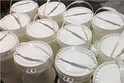
As a supplier of Frosted Glass Material, I've received numerous inquiries regarding the moisture resistance of this versatile product. Understanding its performance in humid conditions is crucial for various applications, from interior design to industrial use. In this blog, I'll delve into the factors that influence the moisture resistance of Frosted Glass Material and provide insights based on our experience in the industry.
What is Frosted Glass Material?
Frosted glass is created by sandblasting or acid-etching clear glass to create a translucent surface. This process not only adds an aesthetic appeal by diffusing light and providing privacy but also enhances the glass's durability in some aspects. The frosted surface can vary in texture and finish, from a fine satin effect to a more pronounced matte look.


Factors Affecting Moisture Resistance
- Surface Treatment: The method used to create the frosted effect plays a significant role in moisture resistance. Acid-etched frosted glass typically has a more uniform and smooth surface compared to sandblasted glass. This smooth surface is less likely to trap moisture and is easier to clean, which can contribute to better moisture resistance. For example, our Satin Effect Flat Glass is acid-etched to provide a consistent and moisture-resistant finish.
- Glass Composition: The type of glass used also affects its ability to withstand moisture. Soda-lime glass, which is commonly used in most applications, has a certain level of inherent moisture resistance. However, borosilicate glass, known for its high thermal and chemical resistance, may offer better moisture resistance in more extreme conditions. When selecting Frosted Glass Material, it's important to consider the specific requirements of your project and choose the appropriate glass composition.
- Sealing and Edging: Proper sealing and edging are essential for preventing moisture from penetrating the glass. In applications where the glass is exposed to water, such as in bathrooms or kitchens, using a high-quality sealant around the edges can significantly improve moisture resistance. Additionally, rounded or polished edges can reduce the risk of water seeping into the glass, further enhancing its durability.
Applications and Moisture Resistance
- Interior Design: Frosted glass is a popular choice for interior design elements, such as partitions, doors, and windows. In these applications, moisture resistance is important to prevent damage to the glass and maintain its appearance over time. For instance, our Sliding Glass Door With Satin Effect is designed to withstand normal levels of humidity in residential and commercial settings, providing a stylish and functional solution.
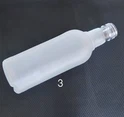
- Packaging: Frosted glass is also used in the packaging industry, particularly for high-end products such as Premium Whisky Bottle Export Russia Mexican Cocktail Bottle. In this case, moisture resistance is crucial to protect the contents of the bottle and ensure its integrity during storage and transportation. The frosted finish not only adds a touch of elegance but also provides a barrier against moisture and other environmental factors.
- Industrial Use: In industrial applications, Frosted Glass Material may be exposed to harsh chemicals and high levels of moisture. It's important to choose a glass that can withstand these conditions without compromising its performance. For example, in laboratories or manufacturing facilities, frosted glass may be used for equipment covers or observation windows. Our Frosted Glass Material is engineered to meet the demanding requirements of these industries, providing reliable moisture resistance and long-term durability.
Testing and Quality Assurance
To ensure the moisture resistance of our Frosted Glass Material, we conduct rigorous testing procedures. This includes subjecting the glass to simulated humidity conditions and monitoring its performance over time. We also perform regular quality checks to ensure that the glass meets our strict standards for moisture resistance and other properties. By investing in quality control, we can provide our customers with a product that they can trust.
Conclusion
In conclusion, the moisture resistance of Frosted Glass Material is influenced by several factors, including surface treatment, glass composition, and sealing. Understanding these factors is essential for selecting the right glass for your specific application. Whether you're using Frosted Glass Material for interior design, packaging, or industrial use, our products are designed to provide excellent moisture resistance and long-term performance.
If you're interested in learning more about our Frosted Glass Material or have any questions regarding its moisture resistance, please don't hesitate to contact us. We're here to assist you in finding the perfect solution for your project. Let's start a conversation about how our Frosted Glass Material can meet your needs and exceed your expectations.
References
- ASTM International. (Year). Standard test methods for evaluating the moisture resistance of glass.
- Glass Association of North America. (Year). Guide to glass performance in humid environments.