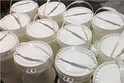
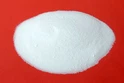
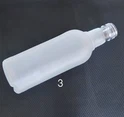
As a supplier of Etching Glass With Chemicals, I've been deeply involved in the world of glass etching and have received numerous inquiries about making one's own glass etching chemicals. In this blog, I'll share some insights and guidelines on how you can make your glass etching chemicals while ensuring safety and efficacy.
Firstly, it's essential to understand the basic principles of glass etching. Glass is primarily made up of silica (SiO₂), and the key to etching it lies in using chemicals that can react with this silica structure. There are different types of etching methods, with chemical etching being one of the most common. Chemical Etching of Glass is a process that relies on specific chemical compounds to break down the surface of the glass, creating a frosted or decorative effect.


Required Materials and Safety Precautions
Before you start making your glass etching chemicals, gather the necessary materials. You will need hydrofluoric acid (HF), ammonium bifluoride (NH₄HF₂), distilled water, a suitable container for mixing, and protective gear such as gloves, goggles, and a lab coat. Hydrofluoric acid is a highly corrosive and toxic substance, and strict safety measures must be followed when handling it.
It's crucial to work in a well - ventilated area, preferably a fume hood, to prevent the inhalation of harmful fumes. Always read and understand the safety data sheets (SDS) of all the chemicals you are using. In case of accidental exposure to hydrofluoric acid, there should be a calcium gluconate gel readily available for immediate treatment.
Basic Glass Etching Chemical Recipes
Recipe 1: Hydrofluoric Acid - Based Solution
Hydrofluoric acid is a powerful etchant for glass. A common solution for etching glass can be made by diluting hydrofluoric acid with distilled water. For a basic solution, you can start with a 1:10 ratio of hydrofluoric acid to distilled water.
-
Preparation:
- Measure the appropriate volume of distilled water into a plastic or Teflon container. Plastic is preferred because hydrofluoric acid can react with glass and certain metals.
- Slowly add the hydrofluoric acid to the water. It's important to add the acid to the water and not the other way around to prevent splashing and potential heat - related issues. Stir the solution gently using a plastic or Teflon stirrer.
-
Etching Process:
- Before applying the solution to the glass, ensure the glass surface is clean and dry. You can mask off the areas of the glass that you don't want to etch using a suitable masking tape.
- Dip the glass into the etching solution for a specific period, which depends on the desired depth of the etch. Usually, a few minutes are enough for a light etch, but for a deeper etch, you may need to increase the immersion time.
- After etching, carefully remove the glass from the solution and rinse it thoroughly with water to stop the etching process.
Recipe 2: Ammonium Bifluoride Solution
Ammonium bifluoride is a less hazardous alternative to hydrofluoric acid in some cases. It can also be used to create a glass etching solution.
- Preparation:
- Dissolve ammonium bifluoride in distilled water. A common concentration is around 20 - 30% by weight. Heat the distilled water slightly to aid in the dissolution process if necessary. Stir the solution until the ammonium bifluoride is completely dissolved.
- Etching Process:
- Similar to the hydrofluoric acid - based solution, clean and mask the glass. Apply the ammonium bifluoride solution to the glass surface using a brush or by dipping. The etching time will vary depending on the concentration of the solution and the desired effect. After etching, rinse the glass thoroughly.
Tuning the Etching Effect
The appearance of the etched glass can be adjusted by modifying the concentration of the etching solution and the etching time. A higher concentration of the etchant will generally result in a more pronounced and deeper etch. However, it also increases the risk of over - etching or causing damage to the glass.
For a finer, more delicate etch, you can decrease the concentration of the etchant and use a shorter etching time. Repeated light etches can also be used to achieve a more controlled and refined effect.
Troubleshooting
- Uneven Etching:
- This can be caused by uneven application of the etchant or an inconsistent surface on the glass. Ensure that the etchant is applied evenly using a proper technique, such as brushing or dipping. If the glass has contaminants on the surface, clean it thoroughly before etching.
- Frosty vs. Smooth Etch:
- A frosty etch is often the desired effect, but if you want a smoother etch, you can try adding small amounts of surfactants or wetting agents to the etching solution. These agents can help the etchant spread more evenly and result in a smoother finish.
Acid Etching for Glass and Commercial Applications
In commercial applications, acid etching is widely used for creating decorative glass, such as glass partitions, shower screens, and art glass pieces. The ability to create custom designs and patterns makes acid etching a popular choice in the glass industry.
As a supplier of Etching Glass With Chemicals, we understand the specific requirements of different customers. Whether you are a small - scale artist looking for a simple etching solution or a large - scale manufacturer in need of bulk chemicals, we have a range of products to meet your needs. Our Chemical Glass Etching Solution is formulated to provide consistent and high - quality results.
Contact for Purchase and Further Information
If you are interested in purchasing glass etching chemicals or have any questions about the etching process, we encourage you to reach out to us. Our team of experts can provide you with detailed product information, technical support, and guidance on how to use our chemicals effectively. Starting a discussion with us can lead to a successful glass - etching project, whether it's a simple DIY venture or a large - scale commercial operation.
References
- Chemical Engineering Handbook: Covers the chemical properties and reactions involved in glass etching.
- Glass Industry Journals: Provide insights into the latest trends and best practices in glass etching.
- Manufacturer's Safety Data Sheets: For detailed safety information on hydrofluoric acid, ammonium bifluoride, and other relevant chemicals.