As a supplier of Flat Glass Frosting Powder, I often receive inquiries from customers about the compatibility of our product with glass mirrors. The question "Can I use Flat Glass Frosting Powder on glass mirrors?" is a common one, and in this blog post, I'll provide a detailed and scientific answer.
Understanding Flat Glass Frosting Powder
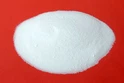
Flat Glass Frosting Powder is a specialized material designed to transform the appearance of glass surfaces. It works by chemically etching the glass, creating a frosted or matte finish. This finish not only adds an aesthetic appeal but also provides privacy, as it obscures the view through the glass while still allowing light to pass through.
The powder typically contains chemicals such as hydrofluoric acid salts, which are powerful etchants. When mixed with water, these chemicals react with the silica in the glass, breaking down the surface layer and creating a rough, frosted texture.
Can Flat Glass Frosting Powder Be Used on Glass Mirrors?
The short answer is yes, you can use Flat Glass Frosting Powder on glass mirrors. However, there are several factors to consider before proceeding.


The Structure of Glass Mirrors
A glass mirror consists of a sheet of glass with a reflective coating on one side. The glass itself is usually made of soda - lime glass, which is the same type of glass commonly used in windows and other flat glass applications. The reflective coating is typically made of silver or aluminum, which is deposited on the back of the glass.
When using Flat Glass Frosting Powder on a glass mirror, it's important to note that the powder will only affect the glass surface, not the reflective coating. As long as you apply the powder to the front side of the glass (the non - coated side), you can achieve a frosted effect without damaging the mirror's reflective properties.
Advantages of Using Frosting Powder on Glass Mirrors
- Aesthetic Enhancement: Frosted glass mirrors can add a touch of elegance and sophistication to any space. They can be used in bathrooms, bedrooms, or even commercial settings such as hotels and restaurants to create a unique and stylish look.
- Privacy: In areas where privacy is desired, such as bathrooms, a frosted glass mirror can be a great solution. It allows light to enter the room while obscuring the view from the outside.
- Customization: Flat Glass Frosting Powder offers a high degree of customization. You can create different patterns and designs on the mirror by using stencils or masking tape. This allows you to personalize the mirror to suit your specific needs and preferences.
Potential Challenges
- Surface Preparation: Proper surface preparation is crucial when using Flat Glass Frosting Powder on glass mirrors. The glass surface must be clean and free of any dirt, grease, or fingerprints. Any contaminants on the surface can affect the quality of the frosted finish.
- Safety Precautions: As mentioned earlier, Flat Glass Frosting Powder contains chemicals that can be hazardous if not handled properly. When using the powder, it's important to wear protective gloves, goggles, and a respirator to avoid contact with the chemicals. Also, make sure to work in a well - ventilated area.
How to Use Flat Glass Frosting Powder on Glass Mirrors
Here is a step - by - step guide on how to use Flat Glass Frosting Powder on glass mirrors:
Step 1: Prepare the Surface
- Clean the front side of the glass mirror thoroughly using a glass cleaner and a lint - free cloth. Make sure to remove all dirt, grease, and fingerprints.
- If you want to create a pattern or design on the mirror, apply masking tape or stencils to the glass surface.
Step 2: Mix the Frosting Powder
- Follow the manufacturer's instructions to mix the Flat Glass Frosting Powder with water. Usually, you'll need to mix the powder with a specific ratio of water to form a paste.
- Stir the mixture well until it is smooth and free of lumps.
Step 3: Apply the Frosting Paste
- Using a brush or a sponge, apply the frosting paste evenly to the front side of the glass mirror. Make sure to cover the entire area that you want to frost.
- Work quickly and efficiently, as the frosting paste will start to dry and set within a few minutes.
Step 4: Let the Paste Set
- Allow the frosting paste to set for the recommended amount of time, which is usually around 5 - 10 minutes. The setting time may vary depending on the brand of the frosting powder and the thickness of the paste.
Step 5: Rinse the Mirror
- After the paste has set, rinse the mirror thoroughly with water to remove the remaining paste. Use a clean cloth to dry the mirror.
Related Products and Applications
If you're interested in exploring more glass frosting options, we also offer a range of related products. For more information on glass frosting materials for general glass decoration, you can visit Glass Frosting Material - Glass Decoration. This page provides detailed information about different types of glass frosting materials and their applications.
Our Material For Matt Glass Decoration is another great option for creating a matte finish on glass. It can be used on various glass surfaces, including mirrors, to achieve a uniform and professional - looking frosted effect.
In addition, if you're looking for unique applications of glass frosting, our Flowers Glass Vase Satin Effect Water Container showcases how frosting powder can be used to transform ordinary glass vases into beautiful decorative pieces.
Conclusion
In conclusion, using Flat Glass Frosting Powder on glass mirrors is not only possible but also offers many benefits in terms of aesthetics and privacy. By following the proper procedures and taking the necessary safety precautions, you can achieve a high - quality frosted effect on your glass mirrors.
If you're interested in purchasing our Flat Glass Frosting Powder or have any questions about its application, we encourage you to contact us for further discussion. Our team of experts is always ready to assist you in finding the best solution for your glass frosting needs.
References
- "The Chemistry of Glass Etching" - Journal of Chemical Education
- "Glass Manufacturing and Properties" - Handbook of Glass Manufacturing Technology