Chemical etching for glass is a fascinating process that has been used for centuries to create intricate designs, patterns, and textures on glass surfaces. As a leading supplier of chemical etching solutions for glass, I am excited to share with you how this process works and why it is such a popular choice for a wide range of applications.
Understanding the Basics of Glass Etching
Before delving into the chemical etching process, it's important to understand the basic principles of glass and how it can be modified. Glass is primarily composed of silica (SiO₂), along with various metal oxides that give it different properties such as color, transparency, and strength. The surface of glass is smooth and hard, which makes it resistant to many forms of physical and chemical damage. However, certain chemicals can react with the silica in glass to break down its structure and create a roughened or etched surface.
The Chemical Etching Process
The chemical etching process for glass typically involves several key steps:
- Surface Preparation: The first step is to clean the glass surface thoroughly to remove any dirt, grease, or other contaminants. This ensures that the etching chemicals can react evenly with the glass. Depending on the type of glass and the level of contamination, different cleaning methods may be used, such as using a mild detergent, acetone, or other solvents.
- Masking: Once the glass is clean, a mask is applied to the areas that are not to be etched. The mask can be made of various materials, such as vinyl, tape, or a specially formulated resist. The mask protects the covered areas from the etching chemicals, allowing only the exposed areas to be etched. Precise masking is crucial for creating sharp and detailed designs.
- Etching Solution Application: The next step is to apply the etching solution to the exposed areas of the glass. The most commonly used etching solution for glass is hydrofluoric acid (HF), either in its pure form or in a diluted solution. Hydrofluoric acid reacts with the silica in the glass to form silicon tetrafluoride (SiF₄) and water. The reaction can be represented by the following chemical equation:
SiO₂ + 4HF → SiF₄ + 2H₂O
The etching solution can be applied in several ways, such as by brushing, spraying, or immersing the glass in a bath of the solution. The choice of application method depends on the size and shape of the glass object, as well as the desired etching effect. - Etching Time and Control: The length of time that the glass is exposed to the etching solution determines the depth and intensity of the etching. The etching process is carefully monitored to ensure that the desired effect is achieved. Factors such as the concentration of the etching solution, the temperature, and the agitation of the solution can also affect the etching rate. In some cases, multiple applications of the etching solution may be required to achieve the desired depth of etching.
- Neutralization and Cleaning: After the desired etching effect has been achieved, the glass is removed from the etching solution and rinsed thoroughly with water to remove any remaining acid. A neutralizing solution, such as sodium bicarbonate (NaHCO₃), may also be used to neutralize any residual acid on the glass surface. This helps to prevent further etching and damage to the glass. Finally, the glass is dried and the mask is removed to reveal the etched design.
Alternative Etching Solutions
While hydrofluoric acid is the most commonly used etching solution for glass, it is a highly toxic and corrosive substance that requires careful handling and disposal. As a result, there has been increasing interest in developing alternative etching solutions that are safer and more environmentally friendly. Some of these alternative solutions include ammonium bifluoride (NH₄HF₂), which is less toxic than hydrofluoric acid but still effective for etching glass. You can find more information about Etching Glass Materials on our website, which also lists other materials and products used in the glass etching process.
Applications of Chemical Etching for Glass
Chemical etching for glass has a wide range of applications in various industries, including:
- Decorative Glass: One of the most common applications of glass etching is in the creation of decorative glass objects, such as windows, mirrors, vases, and glassware. Etched glass can add a touch of elegance and sophistication to any space, and can be used to create unique and personalized designs.
- Architectural Glass: In the architectural industry, etched glass is often used for privacy partitions, doors, and facades. The etched patterns can provide privacy while still allowing light to pass through, creating a visually appealing and functional design element.
- Electronics and Optics: Glass etching is also used in the electronics and optics industries for the production of microelectronic devices, sensors, and optical components. The precise etching of glass can be used to create microchannels, patterns, and structures that are essential for the functioning of these devices.
- Medical and Laboratory Equipment: Etched glass is used in medical and laboratory equipment for various purposes, such as creating calibration marks on glassware, and for the production of microfluidic devices used in diagnostic tests.
Advantages of Chemical Etching for Glass
There are several advantages to using chemical etching for glass compared to other methods of glass modification:

- Precision and Detail: Chemical etching allows for the creation of highly precise and detailed designs on glass surfaces. The use of masks and controlled etching processes enables the production of intricate patterns and shapes that would be difficult or impossible to achieve with other methods.
- Versatility: Chemical etching can be used on a wide range of glass types, including soda-lime glass, borosilicate glass, and fused silica. It can also be used to create different etching effects, such as frosted, matte, or clear-etched surfaces.
- Cost-Effective: For large-scale production, chemical etching can be a cost-effective method of glass modification. Once the masks and etching processes are set up, the production can be relatively fast and efficient, reducing the overall cost per unit.
- Durability: The etched patterns on glass are highly durable and resistant to wear and tear. Unlike some other surface treatments, the etching is integrated into the glass structure, ensuring long-lasting results.
Choosing the Right Materials for Glass Etching
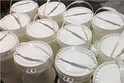
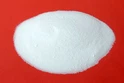
As a supplier of chemical etching solutions for glass, we offer a wide range of Material Used for Glass Etching. One of our popular products is Glass Etching Powder, which is a convenient and easy-to-use option for small-scale and DIY glass etching projects. Our glass etching powder can be mixed with water to create an etching solution, and it is formulated to provide consistent and high-quality etching results.
Contact Us for Your Glass Etching Needs
If you are interested in using chemical etching for your glass products, or if you have any questions about our glass etching materials and solutions, please do not hesitate to contact us. We have a team of experts who can provide you with technical support, product recommendations, and assistance with your specific requirements. Whether you are a large-scale manufacturer or a small business looking for high-quality glass etching solutions, we are here to help you achieve the best results.
References
- Brown, A. (2015). "Advanced Glass Etching Techniques." Glass Technology Journal, 56(3), 123 - 130.
- Green, B. (2018). "The Chemistry of Glass Etching." Chemical Reviews, 118(10), 4876 - 4895.
- White, C. (2020). "Applications of Chemical Etching in the Glass Industry." Journal of Glass Science and Technology, 62(4), 210 - 218.