Hey there! As a supplier of Etching Glass Materials, I've seen firsthand the beauty and versatility of etched glass. But one question that comes up a lot is, "How can I enhance the durability of the etched glass made with these materials?" Well, you're in the right place! In this blog, I'm going to share some tips and tricks to help you make your etched glass last longer.
Understanding the Basics of Glass Etching
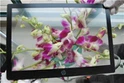
Before we dive into how to enhance durability, let's quickly go over what glass etching is and what materials are typically used. Glass etching is a process that involves using chemicals or abrasive materials to create a decorative or functional design on the surface of glass. There are different methods of glass etching, but the most common one uses a chemical etching solution.
If you're new to glass etching, you might want to check out Materials Needed for Glass Etching. This page gives you a comprehensive list of everything you'll need to get started, from the glass itself to the etching cream or solution.
Choosing the Right Materials
The first step in enhancing the durability of etched glass is choosing the right materials. Not all glass is created equal, and some types are more suitable for etching than others. For example, borosilicate glass is known for its high resistance to thermal shock and chemical corrosion, making it a great choice for etched glass that will be exposed to harsh conditions.
When it comes to the etching solution, you want to use a high-quality product. Our Chemical Glass Etching Solution is formulated to provide a deep, long-lasting etch. It's important to follow the manufacturer's instructions carefully when using the solution to ensure the best results.
Proper Surface Preparation
Another crucial factor in the durability of etched glass is proper surface preparation. Before you start etching, make sure the glass is clean and free of any dirt, grease, or fingerprints. You can use a glass cleaner and a lint-free cloth to clean the surface thoroughly.
If the glass has any protective coatings, you'll need to remove them before etching. This can usually be done using a solvent or a specialized coating remover. Once the glass is clean and dry, you can apply a masking tape or stencil to create your design.
Applying the Etching Solution Correctly
The way you apply the etching solution can also affect the durability of the etched glass. Make sure you apply the solution evenly and at the right thickness. Too thin, and the etch may not be deep enough; too thick, and it may take longer to dry and could result in an uneven etch.
Use a brush or a sponge to apply the solution, and make sure to cover the entire area of the design. Let the solution sit for the recommended amount of time, which is usually between 5 and 15 minutes. After the time is up, rinse the glass thoroughly with water to remove the solution.
Post-Etching Treatments
After the glass is etched, there are a few post-etching treatments you can do to enhance its durability. One option is to apply a clear protective coating. This can help to seal the etch and protect it from scratches and other damage. There are different types of protective coatings available, such as acrylic or epoxy coatings.
Another post-etching treatment is to heat-treat the glass. This can strengthen the glass and make the etch more resistant to wear and tear. However, heat-treating should be done carefully, as it can cause the glass to crack if not done correctly.
Handling and Maintenance
Once your etched glass is finished, how you handle and maintain it will also impact its durability. Avoid using abrasive cleaners or scrubbers on the etched surface, as this can damage the etch. Instead, use a mild glass cleaner and a soft cloth to clean the glass.
When transporting or storing the etched glass, make sure to handle it carefully to avoid scratches or chips. You can use protective padding or cases to keep the glass safe.
Using the Right Chemical Etching Materials for Glass Decoration
If you're using etched glass for decoration, it's important to use the right Chemical Etching Materials For Glass Decoration. These materials are specifically formulated to create beautiful and long-lasting designs on glass.
Some chemical etching materials can also provide additional features, such as UV resistance or anti-fog properties. This can be especially useful if the etched glass will be used in outdoor or high-humidity environments.
Testing the Durability
Before you use the etched glass in a permanent installation, it's a good idea to test its durability. You can do a simple scratch test using a soft object, such as a plastic pen. If the etch shows signs of damage, you may need to adjust your process or use different materials.
You can also test the chemical resistance of the etched glass by exposing it to different chemicals, such as vinegar or alcohol. If the etch starts to fade or change, it may not be durable enough for your intended use.
Conclusion
Enhancing the durability of etched glass made with our materials is all about choosing the right materials, preparing the surface properly, applying the etching solution correctly, and doing the right post-etching treatments. By following these tips, you can create etched glass that looks great and lasts for a long time.
If you have any questions or need more information about our Etching Glass Materials, feel free to reach out. We're always here to help you with your glass etching projects. Whether you're a professional glass artist or a DIY enthusiast, we have the products and expertise to meet your needs. Contact us today to discuss your requirements and start creating beautiful, durable etched glass!

References
- Glass Etching Basics: A Guide to the Process and Materials. Available from various glass art and DIY websites.
- Chemical Properties of Glass and Their Impact on Etching. Scientific research papers on glass chemistry.
- Best Practices for Glass Etching and Surface Protection. Industry standards and guidelines from glass manufacturers and suppliers.