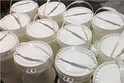
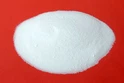
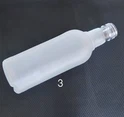
Cosmetic glass packaging is a crucial element in the beauty industry, not only protecting the product but also enhancing its aesthetic appeal. Frosted glass has long been a favorite choice for cosmetic brands due to its elegant and sophisticated look. As a leading supplier of Cosmetic Glass Frosting Powder, I am often asked about how this remarkable product works. In this blog post, I will delve into the science behind cosmetic glass frosting powder and explain the process in detail.
Understanding the Basics of Glass Frosting
Before we explore how the frosting powder works, it's essential to understand what glass frosting is. Frosting is a process that transforms the smooth, transparent surface of glass into a translucent or opaque finish. This effect is achieved by altering the surface of the glass at a microscopic level, causing light to scatter as it passes through the glass. The result is a soft, diffused appearance that gives the glass a luxurious and high - end look.
Composition of Cosmetic Glass Frosting Powder
Cosmetic glass frosting powder is a carefully formulated mixture of chemicals designed to react with the surface of the glass. The main components typically include fluorides, such as sodium fluoride or ammonium fluoride, along with other additives. Fluorides are key because they have a strong ability to etch glass. When in contact with glass, which is primarily made of silica (SiO₂), fluorides react with the silica to form various fluoride - silica compounds.
The Chemical Reaction
The chemical reaction between the frosting powder and the glass is the heart of the frosting process. When the frosting powder is mixed with water to form a slurry and applied to the glass surface, the fluoride ions in the powder start to react with the silica in the glass. The general reaction can be represented as follows:
SiO₂ + 6HF → H₂SiF₆+ 2H₂O
In this reaction, hydrofluoric acid (HF) is formed in - situ when the fluoride salts react with water. Hydrofluoric acid is a powerful etching agent that breaks down the silica network in the glass. The reaction produces hexafluorosilicic acid (H₂SiF₆) and water. As the reaction progresses, the surface of the glass is gradually etched away, creating a rough and uneven surface.
Microscopic Changes on the Glass Surface
As the chemical reaction occurs, the smooth surface of the glass is transformed at the microscopic level. The etching process creates tiny pits and irregularities on the glass surface. When light hits the frosted glass, instead of passing through the glass in a straight line as it does with clear glass, it is scattered in different directions by these surface irregularities. This scattering of light is what gives the glass its characteristic frosted appearance.
Different Types of Frosting Effects
We offer a variety of frosting powders to achieve different effects, each tailored to meet the specific needs of our customers.
Oil - Sand Effect Flat Glass
Our Oil - Sand Effect Flat Glass frosting powder creates a unique, smooth - like - sand effect on the glass surface. This effect is ideal for cosmetic packaging that requires a more modern and refined look. The powder is formulated to produce a consistent and uniform frosting, giving the glass a soft, velvety touch.
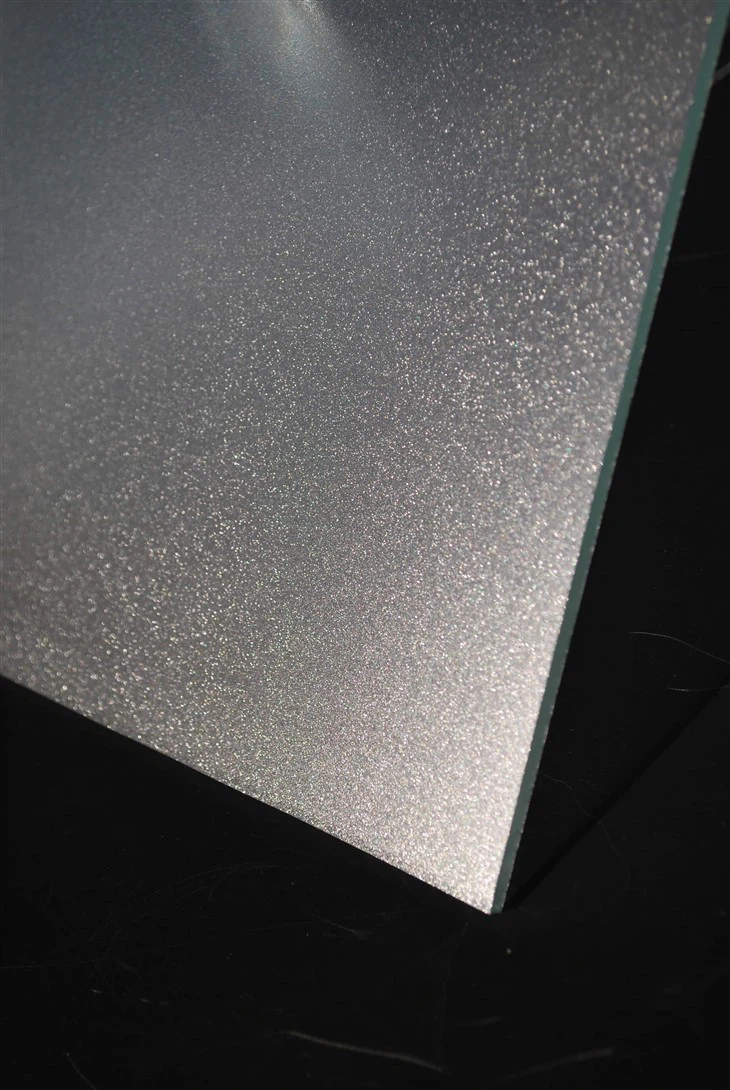

Quartz Glass Frosting Powder
The Quartz Glass Frosting Powder is specially designed for quartz glass. Quartz glass has different properties compared to regular glass, and our powder is engineered to provide an optimal frosting effect on this type of glass. It ensures a high - quality finish that enhances the beauty of quartz - based cosmetic packaging.
Satin Effect Glass Frosting Powder
Our Satin Effect Glass Frosting Powder produces a delicate, satin - like finish on the glass. This effect is highly sought after in the cosmetic industry as it gives the packaging a luxurious and elegant appearance. The powder is formulated to create a fine - grained texture on the glass surface, resulting in a soft and diffused light reflection.
The Application Process
Applying the cosmetic glass frosting powder involves several steps:
- Surface Preparation: The glass surface must be clean and free of any dirt, grease, or contaminants. This ensures that the frosting powder can adhere properly to the glass and react evenly.
- Mixing the Powder: The frosting powder is mixed with water according to the manufacturer's instructions to form a homogeneous slurry. The ratio of powder to water is crucial, as it affects the consistency and reactivity of the mixture.
- Application: The slurry is then applied to the glass surface using a brush, spray gun, or immersion method. The choice of application method depends on the size and shape of the glass object and the desired frosting effect.
- Reaction Time: After application, the frosting powder needs time to react with the glass. The reaction time can vary depending on factors such as the type of powder, the temperature, and the thickness of the glass. Generally, it takes a few minutes to several hours for the reaction to complete.
- Rinsing and Drying: Once the reaction is complete, the glass is thoroughly rinsed with water to remove any remaining frosting powder and reaction by - products. The glass is then dried to reveal the final frosted finish.
Quality Control and Safety Considerations
As a responsible supplier, we pay close attention to quality control and safety. Our frosting powders are manufactured under strict quality standards to ensure consistent performance and high - quality results.
However, it's important to note that working with frosting powders involves handling chemicals, especially fluorides, which can be hazardous. Proper safety measures should be taken, including wearing protective clothing, gloves, and goggles, and working in a well - ventilated area.
Why Choose Our Cosmetic Glass Frosting Powder
- Customization: We understand that different cosmetic brands have different requirements. That's why we offer a range of frosting powders with various effects and can also customize formulations to meet specific customer needs.
- Quality Assurance: Our products are tested rigorously to ensure they meet the highest quality standards. We use only the best raw materials and advanced manufacturing processes to produce our frosting powders.
- Technical Support: We provide comprehensive technical support to our customers. Whether you have questions about the application process, the reaction time, or the safety precautions, our team of experts is always ready to assist you.
Conclusion
Cosmetic glass frosting powder is a remarkable product that can transform ordinary glass into a beautiful and elegant packaging solution for the cosmetic industry. By understanding the chemical reactions and application processes involved, cosmetic brands can make informed decisions when choosing the right frosting powder for their products.
If you are in the cosmetic industry and are interested in enhancing the look of your glass packaging, we invite you to contact us for more information and to discuss your specific needs. Our team is eager to work with you to achieve the perfect frosted glass effect for your brand.
References
- Glass Science and Technology, Volume 1: Fundamentals of Glass Science, D. R. Uhlmann, N. J. Kreidl
- Handbook of Glass Properties, C. R. Kurkjian, A. H. Kreider