Hey there! I'm a supplier of etching glass materials, and I know how crucial it is to store these materials properly. In this blog, I'll share some tips and tricks on how to do just that.
First things first, let's talk about why proper storage is so important. Etching glass materials are often made up of chemicals that can be hazardous if not handled correctly. Improper storage can lead to spills, leaks, and even chemical reactions that could put you and your surroundings at risk. Plus, storing these materials properly can help extend their shelf life, saving you money in the long run.
Understanding Your Materials
Before you start storing your etching glass materials, it's essential to understand what you're dealing with. Different materials have different storage requirements, so it's crucial to read the labels and follow the manufacturer's instructions.
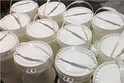
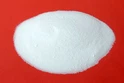
One of the most common etching glass materials is Ordinary Glass Etching Powder. This powder typically contains chemicals like hydrofluoric acid or ammonium bifluoride, which are highly corrosive. These powders should be stored in a cool, dry place away from direct sunlight and heat sources. Make sure the container is tightly sealed to prevent moisture from getting in, as this can cause the powder to clump and lose its effectiveness.
Another important material is Material Used for Glass Etching. This can include things like stencils, masks, and protective coatings. Stencils and masks should be stored flat to prevent them from warping or getting damaged. Protective coatings should be stored in a cool place and away from any sources of ignition, as some coatings may be flammable.
Chemical Etching of Glass often involves the use of liquid chemicals. These liquids should be stored in a well-ventilated area to prevent the buildup of fumes. It's also important to keep them away from incompatible substances. For example, acids should never be stored near bases, as they can react violently.
Choosing the Right Storage Containers
The type of storage container you use can make a big difference in how well your etching glass materials are preserved. For powders, choose containers made of high-density polyethylene (HDPE) or polypropylene. These plastics are resistant to corrosion and can withstand the harsh chemicals in the powders. Make sure the container has a tight-fitting lid to prevent spills and leaks.
For liquid chemicals, glass or plastic bottles with screw-on caps are a good choice. Glass bottles are great for storing acids and other corrosive liquids because they are inert and won't react with the chemicals. However, they can be fragile, so handle them with care. Plastic bottles are more lightweight and less likely to break, but make sure they are made of a chemical-resistant plastic.
Storage Location
The location where you store your etching glass materials is just as important as the containers you use. Here are some key considerations:
- Temperature: Most etching glass materials should be stored at room temperature, which is typically between 60°F and 75°F (15°C and 24°C). Extreme temperatures can cause chemicals to break down or react with each other. Avoid storing materials in areas that are subject to large temperature fluctuations, such as near windows or heating vents.
- Humidity: High humidity can cause powders to clump and liquids to absorb moisture, which can affect their performance. Aim for a humidity level of around 40% to 60%. You can use a dehumidifier in the storage area if necessary.
- Ventilation: Good ventilation is essential when storing chemicals. This helps to prevent the buildup of fumes, which can be harmful if inhaled. Make sure the storage area has windows or vents that can be opened to allow fresh air to circulate.
- Separation: Keep different types of etching glass materials separate from each other. This helps to prevent cross-contamination and potential chemical reactions. For example, store acids and bases in different cabinets or on different shelves.
Labeling and Organization
Proper labeling and organization are crucial for safe and efficient storage. Make sure each container is clearly labeled with the name of the material, the date it was received, and any safety information. This will help you quickly identify the materials you need and ensure that you are handling them correctly.
Organize your storage area so that similar materials are grouped together. This makes it easier to find what you're looking for and reduces the risk of accidentally mixing incompatible substances. You can use shelves, cabinets, or storage bins to keep your materials organized.
Safety Precautions
When handling and storing etching glass materials, it's important to take the necessary safety precautions. Here are some tips:
- Wear protective gear: Always wear gloves, goggles, and a lab coat when handling chemicals. This will help protect your skin, eyes, and clothing from spills and splashes.
- Follow safety procedures: Read and follow the safety instructions on the labels of all chemicals. This includes proper handling, storage, and disposal procedures.
- Have an emergency plan: In case of a spill or accident, make sure you have an emergency plan in place. This should include how to clean up spills, how to treat chemical burns, and who to contact in case of an emergency.
Regular Inspections
Regularly inspect your storage area and the containers holding your etching glass materials. Check for signs of damage, such as cracks or leaks in the containers. Look for any signs of chemical reactions, such as discoloration or the formation of crystals. If you notice any problems, take immediate action to address them.


Conclusion
Storing etching glass materials properly is essential for safety and the longevity of your materials. By understanding the specific requirements of each material, choosing the right storage containers, and following safety precautions, you can ensure that your etching glass materials are stored safely and effectively.
If you're in the market for high-quality etching glass materials, I'd love to talk to you. Whether you're a small business or a large manufacturer, we have the products and expertise to meet your needs. Don't hesitate to reach out to start a conversation about your requirements and how we can help you with your glass etching projects.
References
- "Safe Storage of Chemicals." Occupational Safety and Health Administration (OSHA).
- "Handling and Storage of Glass Etching Materials." Manufacturer's guidelines.