When it comes to enhancing the aesthetics and functionality of glass surfaces, two popular options stand out: glass frosting material and window film. As a supplier of high - quality glass frosting materials, I have witnessed firsthand the unique features and benefits of each product. In this blog, I'll provide a detailed comparison between glass frosting material and window film, helping you make an informed decision for your specific needs.
Appearance and Aesthetic Appeal
One of the most noticeable differences between glass frosting material and window film lies in their appearance. Glass frosting material, when applied correctly, creates a smooth, uniform, and permanent frosted finish on the glass. This finish has a soft, diffused look that can add a touch of elegance and privacy to any space. Whether you're looking to create a contemporary office partition or a stylish bathroom window, the frosted glass effect achieved with frosting material can transform the look of the glass surface.
On the other hand, window film offers a more limited range of visual effects. While some window films can mimic the frosted look, they often lack the depth and texture of real frosted glass. Window films may also show visible seams or bubbles over time, especially if they are not installed properly. In contrast, glass frosting material provides a seamless and professional - looking finish that enhances the overall aesthetic of the glass.
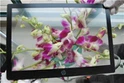
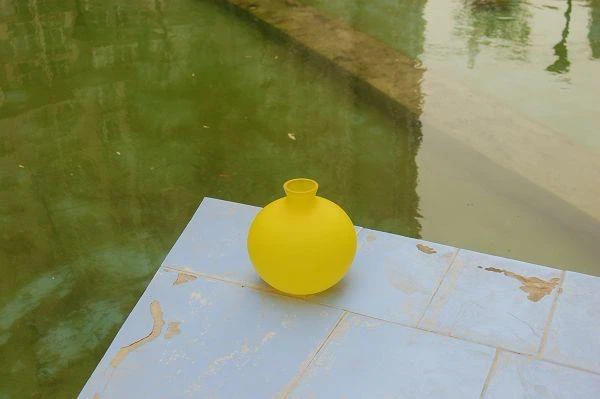
For example, our Hazy Light Glass Lamps - jade Sand Effect Glass Decoration uses high - quality glass frosting material to create a beautiful and unique lighting effect. The frosted glass diffuses the light, creating a warm and inviting atmosphere.
Durability and Longevity
Durability is another crucial factor to consider when choosing between glass frosting material and window film. Glass frosting material forms a chemical bond with the glass surface, making it highly resistant to scratches, abrasions, and fading. Once applied, it can withstand normal wear and tear, as well as exposure to various environmental conditions. This means that the frosted finish will remain intact for many years, providing long - term value for your investment.
Window film, however, is more prone to damage. It can be easily scratched by sharp objects, and its adhesive may start to peel over time, especially in areas with high humidity or temperature fluctuations. Additionally, window film may fade or discolor when exposed to direct sunlight for extended periods. As a result, window film may need to be replaced more frequently than glass frosting material, which can increase the overall cost in the long run.
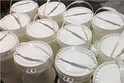
Our Bottles Glass Frosting Powder is designed to provide a durable and long - lasting frosted finish on glass bottles. The powder creates a strong bond with the glass, ensuring that the frosted effect remains intact even after repeated handling and washing.
Privacy and Light Control
Both glass frosting material and window film can be used to enhance privacy while allowing some light to pass through. Glass frosting material offers excellent privacy by diffusing light and obscuring the view from the outside. The frosted surface scatters light rays, preventing clear visibility of the objects or activities behind the glass. At the same time, it allows a soft, diffused light to enter the space, creating a comfortable and well - lit environment.
Window film can also provide privacy, but its effectiveness may vary depending on the type and quality of the film. Some window films may offer only partial privacy, especially in bright sunlight. Additionally, as window film ages, its privacy - enhancing properties may diminish. Glass frosting material, on the other hand, maintains its privacy - providing capabilities over time, making it a more reliable option for privacy - sensitive applications.
Installation and Maintenance
The installation process for glass frosting material and window film is quite different. Glass frosting material typically requires a more involved installation process. It usually involves cleaning the glass surface thoroughly, applying the frosting material according to the manufacturer's instructions, and allowing it to dry and cure. While this process may take a bit more time and skill, the end result is a permanent and high - quality frosted finish.
Window film installation is generally quicker and easier. It can be done by simply cutting the film to the appropriate size and applying it to the glass surface with a squeegee to remove air bubbles. However, as mentioned earlier, improper installation can lead to visible defects and reduce the lifespan of the film.
In terms of maintenance, glass frosting material is relatively easy to clean. It can be wiped down with a mild glass cleaner and a soft cloth. Window film, on the other hand, may require more delicate cleaning to avoid damaging the film. Harsh chemicals or abrasive cleaners should be avoided, as they can cause the film to peel or discolor.
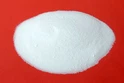
Our High - end Ware Bottle Jar Frosting Powder comes with detailed installation instructions, ensuring that you can achieve a professional - looking finish with ease.
Cost - Effectiveness
When considering cost, it's important to look at the long - term value rather than just the initial price. While the upfront cost of glass frosting material may be higher than that of window film, its durability and longevity make it a more cost - effective option in the long run. You won't have to worry about replacing the frosted finish frequently, which can save you money over time.
Window film may seem like a more affordable option at first, but the need for regular replacement due to wear and tear can add up. Additionally, if the window film is not installed properly, you may need to pay for professional reinstallation, which can further increase the cost.

Environmental Impact
In today's environmentally conscious world, the environmental impact of a product is an important consideration. Glass frosting material is generally more environmentally friendly than window film. Most glass frosting materials are water - based and do not contain harmful chemicals or volatile organic compounds (VOCs). They also have a long lifespan, which means less waste in the long term.
Window film, on the other hand, is often made from plastic materials that are not biodegradable. When it needs to be replaced, it adds to the landfill waste. Additionally, the production of window film may involve the use of chemicals and energy - intensive processes.
Conclusion
In conclusion, glass frosting material and window film each have their own advantages and disadvantages. However, when it comes to appearance, durability, privacy, installation, cost - effectiveness, and environmental impact, glass frosting material often comes out on top. As a supplier of glass frosting materials, I am confident in the quality and performance of our products.
If you're interested in exploring the benefits of glass frosting material for your next project, I encourage you to reach out to us. We can provide you with more information about our products, offer samples, and assist you in finding the right solution for your specific needs. Whether you're a homeowner, a business owner, or a designer, we're here to help you achieve the perfect frosted glass look.
References
- "The Science of Glass Frosting", Glass Technology Journal, Vol. XX, Issue XX, 20XX.
- "Window Film: A Comparative Analysis", Building Materials Review, Vol. XX, Issue XX, 20XX.
- "Durability and Performance of Glass Surface Treatments", Surface Engineering Journal, Vol. XX, Issue XX, 20XX.