Hey there! I'm a supplier of Glass Etching Chemicals, and today I wanna chat about how the age of glass affects the etching process with glass etching chemicals. It's a topic that might not be on everyone's radar, but it's super important if you're into glass etching.
Let's start by understanding what glass etching is. Glass etching is a process where we use chemicals to create a frosted or decorative effect on glass surfaces. It's a cool way to add some personality to glass items like windows, mirrors, and even glassware. As a supplier of [link text="Chemical Used for Glass Etching" url="/glass-etching-materials/chemical-used-for-glass-etching.html"]chemicals for glass etching[/link], I've seen firsthand how different factors can influence the outcome of the etching process.
Now, let's talk about the age of glass. Glass, like many other materials, undergoes changes over time. When glass is new, its surface is relatively smooth and uniform. The molecules in the glass are tightly packed together, creating a hard and durable surface. This new glass surface reacts differently to glass etching chemicals compared to older glass.


When we use glass etching chemicals on new glass, the reaction is often more predictable. The chemicals can easily penetrate the surface and etch the glass in a controlled manner. The result is a clean and even frosted effect. New glass also tends to have fewer impurities, which means there are fewer obstacles for the chemicals to work around. This can lead to a more consistent and high - quality etching result.
On the other hand, older glass has a different story. Over time, glass is exposed to various environmental factors such as humidity, temperature changes, and even pollutants in the air. These factors can cause the surface of the glass to degrade. The glass may develop tiny cracks, scratches, or a layer of oxidation. These imperfections can significantly affect the etching process.
For example, the cracks and scratches on older glass can act as channels for the glass etching chemicals. The chemicals may seep into these cracks more quickly than into the surrounding glass, causing uneven etching. The oxidation layer on the glass surface can also create a barrier between the chemicals and the glass. This can slow down the etching process or prevent the chemicals from working effectively in some areas.
Another aspect to consider is the chemical composition of the glass itself. Different types of glass have different chemical compositions, and these compositions can change over time. Older glass may have undergone chemical reactions with the environment, altering its composition. This can affect how the glass reacts with the etching chemicals. For instance, some older glasses may have a higher concentration of certain minerals, which can either enhance or inhibit the etching process.
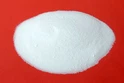
Let's take a look at some real - world scenarios. If you're working on a modern glass window that was recently installed, you can expect a smooth and even etching process. You can use our [link text="Environmentally Friendly Etching Powder" url="/glass-etching-materials/environmentally-friendly-etching-powder.html"]environmentally friendly etching powder[/link] to create a beautiful frosted pattern. The powder will dissolve in water and form a solution that can be applied to the glass surface. Since the glass is new, the solution will spread evenly and etch the glass in a controlled way.
However, if you're dealing with an antique glass mirror that's been around for decades, things get a bit more complicated. You might notice that the etching process is slower in some areas and faster in others. The oxidation on the mirror's surface may cause the chemicals to react differently, resulting in a less uniform frosted effect. In this case, you may need to adjust the concentration of the etching chemicals or the application time to achieve the desired result.
As a supplier, I've worked with many customers who are into glass decoration. They often come to me with questions about how to etch different types of glass. That's why we offer a wide range of [link text="Chemical Etching Materials For Glass Decoration" url="/glass-etching-materials/chemical-etching-materials-for-glass.html"]chemical etching materials for glass decoration[/link]. Whether you're working with new glass or old glass, we have the right products to help you get the best results.
If you're new to glass etching, I recommend starting with a small piece of new glass. This way, you can get a feel for how the etching chemicals work and learn the basic techniques. Once you're more comfortable, you can move on to working with older glass and experiment with different etching patterns and effects.
Now, if you're in the market for high - quality glass etching chemicals, we're here to help. We've got years of experience in the industry and a deep understanding of how different types of glass react to our chemicals. Whether you're a professional glass artist or a DIY enthusiast, we can provide you with the products and advice you need to make your glass etching projects a success.
If you have any questions or want to discuss your glass etching needs, don't hesitate to reach out. We're always happy to have a chat and help you find the right solutions for your projects. Let's work together to create some amazing glass etchings!
References
- "The Science of Glass" - A comprehensive guide on the properties and behavior of glass over time.
- "Glass Etching Techniques" - A book that covers different methods of glass etching and how various factors can influence the process.
- Industry reports on the effects of environmental factors on glass surfaces and their impact on glass processing.