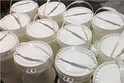
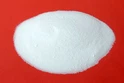
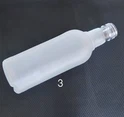
Hey there! I'm a supplier of Quartz Glass Frosting Powder, and I've been in this business for quite some time. Over the years, I've received a lot of questions from customers about how different factors affect the frosting result of our powder. One of the most common questions is about the application pressure. So, in this blog, I'm going to share my insights on how the application pressure affects the frosting result of Quartz Glass Frosting Powder.
Understanding the Basics of Quartz Glass Frosting Powder
Before we dive into the topic of application pressure, let's first understand what Quartz Glass Frosting Powder is and how it works. Quartz Glass Frosting Powder is a chemical product used to create a frosted effect on glass surfaces. When applied to glass, the powder reacts with the surface of the glass, etching it and creating a matte or satin - like finish.
The frosting process typically involves mixing the powder with water to form a paste, which is then applied to the glass surface. The chemical reaction between the powder and the glass takes place over a certain period, and the final result is a frosted glass surface with reduced transparency and a smooth, soft - looking texture.
How Application Pressure Comes into Play
Now, let's talk about application pressure. Application pressure refers to the amount of force applied when spreading the Quartz Glass Frosting Powder paste on the glass surface. This pressure can vary depending on the tools used (like brushes, sponges, or sprayers) and the technique of the person applying the powder.
Low Application Pressure
When the application pressure is low, the paste of the Quartz Glass Frosting Powder doesn't make full and consistent contact with the glass surface. This can lead to an uneven frosting result. The areas where the paste has less contact with the glass may not etch as deeply as the areas with better contact.
For example, if you're using a brush and applying the paste with very light strokes, some parts of the glass may only receive a thin layer of the powder, and the chemical reaction may not be as effective. As a result, you might end up with a patchy frosted appearance, where some areas are more transparent than others.
Another issue with low application pressure is that it can increase the frosting time. Since the powder isn't in good contact with the glass, the chemical reaction occurs at a slower pace. This means you'll have to wait longer for the desired frosting effect, which can be a hassle, especially for large - scale projects.
High Application Pressure
On the other hand, high application pressure can also have its drawbacks. When you apply too much pressure, you might spread the paste too thin in some areas. This can cause the frosting to be too light in those spots, as there isn't enough powder left on the glass to create a deep etch.
Moreover, high pressure can force air bubbles to form between the paste and the glass surface. These air bubbles act as barriers, preventing the powder from coming into direct contact with the glass. As a result, you'll get small, clear spots on the frosted glass, which can be quite unsightly.
In addition, excessive pressure can damage the glass surface in some cases. If the glass is thin or of low quality, the force applied during the application can cause micro - cracks or scratches. This not only affects the appearance of the frosted glass but also weakens its structural integrity.
Optimal Application Pressure
So, what's the optimal application pressure? Well, it depends on several factors, such as the type of glass, the desired frosting effect, and the brand of Quartz Glass Frosting Powder you're using.
In general, you want to apply enough pressure to ensure that the paste makes good, even contact with the glass surface without spreading it too thin or causing air bubbles. A medium - pressure application is usually a good starting point. You can use a brush or a sponge to gently but firmly spread the paste in smooth, even strokes.
For a more consistent result, it's a good idea to test the application pressure on a small, inconspicuous area of the glass first. This way, you can see how the powder reacts and adjust the pressure accordingly.
Real - World Examples and Applications
Let's take a look at some real - world examples of how application pressure affects the frosting result.
Glass Bottles
When frosting glass bottles, like those used for Export Premium Glass Bottle Water Container Alcohol Wine, the application pressure is crucial. If you apply too little pressure, the neck and bottom of the bottle may not be frosted evenly, as these areas can be more difficult to reach and cover properly.
On the other hand, applying too much pressure can cause the paste to drip down the sides of the bottle, leading to uneven frosting and a messy appearance. A medium - pressure application with a sponge or a small brush can help achieve a uniform frosted look on the bottle.
Glass Bricks
For Satin Effect Glass Brick, the application pressure needs to be carefully controlled. Glass bricks have a relatively large surface area, and uneven pressure can result in a very noticeable difference in the frosting intensity across the brick. Using a sprayer can be a good option, but the pressure of the spray needs to be adjusted correctly to ensure an even distribution of the powder paste.


Wine Bottles in India
In the context of Glass Frosting Powder Glass Etching Cream Wine Bottle India, local artisans often have their own techniques for applying the frosting powder. However, regardless of the technique, getting the right application pressure is key. A proper pressure ensures that the traditional Indian designs etched on the wine bottles are clear and evenly frosted, enhancing the aesthetic appeal of the bottles.
Tips for Controlling Application Pressure
Here are some tips to help you control the application pressure when using Quartz Glass Frosting Powder:
- Choose the Right Tools: Different tools can help you achieve different levels of pressure. For example, a sprayer can provide a more even distribution of the paste with relatively consistent pressure, while a brush gives you more control over specific areas.
- Practice on a Test Surface: Before working on your actual project, practice applying the powder on a scrap piece of glass. This will help you get a feel for the right amount of pressure and technique.
- Follow the Manufacturer's Instructions: Each brand of Quartz Glass Frosting Powder may have specific recommendations regarding application pressure. Make sure to read and follow these instructions carefully.
Conclusion
In conclusion, application pressure plays a significant role in the frosting result of Quartz Glass Frosting Powder. Both low and high application pressures can lead to various problems, such as uneven frosting, air bubbles, and even damage to the glass. Finding the optimal application pressure is essential for achieving a consistent, high - quality frosted glass surface.
Whether you're working on glass bottles, glass bricks, or wine bottles, understanding how to control the application pressure will help you get the best results. As a supplier of Quartz Glass Frosting Powder, I'm always here to provide more information and support to help you achieve the perfect frosted effect.
If you're interested in purchasing our Quartz Glass Frosting Powder or have any questions about its application, don't hesitate to get in touch for a procurement discussion. We can offer advice on the best products for your specific needs and guide you through the frosting process.
References
- "The Chemistry of Glass Etching", Journal of Glass Science
- "Techniques for Frosting Glass Surfaces", Glass Manufacturing Magazine