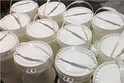
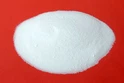
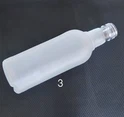
As a supplier of glass frosting chemicals, I understand the importance of maintaining your tools properly after using our products. Cleaning glass frosting chemicals from tools is not only crucial for the longevity of the tools but also for ensuring the quality of your future glass frosting projects. In this blog, I'll share some effective methods and best practices on how to clean glass frosting chemical from tools after use.
Understanding the Nature of Glass Frosting Chemicals
Before diving into the cleaning process, it's essential to understand what glass frosting chemicals are and how they work. Glass frosting chemicals typically contain substances like hydrofluoric acid or other acidic compounds that react with the surface of the glass to create a frosted effect. These chemicals can be corrosive and sticky, which makes them adhere to tools used during the frosting process. Tools commonly used in glass frosting include brushes, sponges, sprayers, and various applicators.
Immediate Actions After Use
The first step in cleaning your tools is to take immediate action after you finish using the glass frosting chemicals. This can prevent the chemicals from drying and hardening on the tools, which makes them much more difficult to remove later.
- Rinse with Water: As soon as you're done with the frosting process, rinse the tools under running water. This will help to remove the majority of the loose chemical residue. Use a gentle stream of water to avoid splashing the chemical onto yourself or other surfaces. Make sure to rinse all parts of the tool, including the bristles of brushes or the nozzle of sprayers.
- Shake Off Excess Water: After rinsing, gently shake the tools to remove as much excess water as possible. This will reduce the amount of water that needs to be removed during the subsequent cleaning steps.
Cleaning Different Types of Tools
Different tools require different cleaning approaches. Here's a breakdown of how to clean some common tools used in glass frosting.
Brushes
Brushes are one of the most commonly used tools in glass frosting. They can be used to apply the frosting chemical evenly on the glass surface.


- Soak in a Cleaning Solution: Fill a container with a suitable cleaning solution. A mild detergent mixed with warm water is usually a good choice. Submerge the brush in the solution and let it soak for at least 15 - 20 minutes. This will help to loosen the chemical residue.
- Gently Brush the Bristles: After soaking, use your fingers or a clean, soft - bristled brush to gently work through the bristles of the frosting brush. This will help to dislodge any remaining chemical particles.
- Rinse Thoroughly: Rinse the brush under running water until the water runs clear. Make sure to remove all traces of the cleaning solution and chemical residue.
- Dry the Brush: Pat the brush dry with a clean towel and reshape the bristles if necessary. Let the brush air - dry completely before storing it.
Sprayers
Sprayers are used to apply the glass frosting chemical in a fine mist. They can get clogged with the chemical if not cleaned properly.
- Flush with Water: Fill the sprayer's reservoir with clean water and pump the sprayer to flush out the chemical from the nozzle and the internal parts. Do this several times until the water coming out of the nozzle is clear.
- Disassemble (if possible): If your sprayer is designed to be disassembled, take it apart carefully. Soak the individual parts in a cleaning solution similar to the one used for brushes. Use a small brush or a toothpick to clean the small holes and crevices in the sprayer.
- Reassemble and Test: After cleaning, reassemble the sprayer and test it by spraying some clean water. Make sure it is working properly before storing it.
Sponges
Sponges are often used for applying the frosting chemical in a more controlled manner.
- Squeeze and Rinse: Squeeze the sponge under running water to remove as much chemical as possible. Repeat this process several times until the water runs clear.
- Soak in a Cleaning Solution: Soak the sponge in a mixture of warm water and mild detergent for about 10 - 15 minutes. This will help to break down any remaining chemical residue.
- Rinse and Dry: Rinse the sponge thoroughly under running water and squeeze out all the excess water. Let the sponge air - dry completely.
Special Considerations
- Safety First: When handling glass frosting chemicals and cleaning solutions, always wear appropriate safety gear such as gloves, goggles, and a mask. These chemicals can be harmful if they come into contact with your skin, eyes, or if inhaled.
- Dispose of Waste Properly: The water and cleaning solutions used to clean the tools may contain traces of the glass frosting chemical. Dispose of them according to local environmental regulations. Do not pour them down the drain without proper treatment.
Benefits of Proper Tool Cleaning
Properly cleaning your tools after using glass frosting chemicals offers several benefits.
- Extended Tool Lifespan: By removing the corrosive chemical residue, you can prevent the tools from rusting, corroding, or deteriorating. This means you won't have to replace your tools as often, saving you money in the long run.
- Consistent Quality: Clean tools ensure that the glass frosting chemical is applied evenly and consistently. This leads to a better - looking frosted glass finish, whether you're working on Tea Cup Water Bottle Artistic Flower Pattern, Oil - Sand Effect Frosted Float Glass, or Satin Effect Float Glass.
- Health and Safety: Removing the chemical residue from the tools reduces the risk of accidental exposure to the harmful chemicals in future use.
Conclusion
Cleaning glass frosting chemicals from tools after use is an important step in the glass frosting process. By following the steps outlined in this blog, you can ensure that your tools remain in good condition and that your future glass frosting projects are successful.
If you're interested in purchasing high - quality glass frosting chemicals for your projects, we're here to help. Our products are designed to provide excellent results and are suitable for a wide range of applications. Whether you're a professional glass artist or a DIY enthusiast, we have the right solution for you. Contact us to discuss your requirements and start your next glass frosting project with confidence.
References
- "The Chemistry of Glass Frosting", Journal of Glass Science, Volume 25, Issue 3.
- "Best Practices in Tool Maintenance for Glass Frosting", Glass Art Magazine, December 2022.