Applying glass frosting chemicals is a practical and creative way to transform ordinary glass into a functional and aesthetically pleasing element. As a trusted Glass Frosting Chemical supplier, I am excited to share with you a comprehensive guide on how to apply glass frosting chemicals effectively.
Understanding Glass Frosting Chemicals
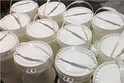
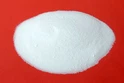
Glass frosting chemicals work by etching the surface of the glass, creating a frosted appearance that diffuses light and provides privacy. There are different types of glass frosting chemicals available in the market, including Glass Frosting Powder. This powder is typically mixed with water to form a paste, which is then applied to the glass surface.


Preparation Before Application
- Safety First
- Wear appropriate safety gear, such as gloves, goggles, and a respirator. Glass frosting chemicals can be hazardous if they come into contact with the skin, eyes, or are inhaled.
- Ensure good ventilation in the work area. Open windows and use fans to circulate fresh air.
- Clean the Glass
- Thoroughly clean the glass surface with a glass cleaner and a lint - free cloth. Remove any dirt, dust, grease, or fingerprints. A clean surface is essential for the proper adhesion of the frosting chemical.
- Dry the glass completely before proceeding with the application.
- Masking
- Use masking tape to cover the areas of the glass that you do not want to be frosted. This is especially important if you are creating a pattern or leaving some parts of the glass clear. Make sure the tape is firmly pressed against the glass to prevent the frosting chemical from seeping under it.
Applying the Glass Frosting Chemical
- Mixing the Chemical
- If you are using Glass Frosting Powder, follow the manufacturer's instructions for mixing. Usually, you will need to add a specific amount of water to the powder and stir it until it forms a smooth paste. The consistency should be thick enough to adhere to the glass but not too thick to spread evenly.
- Application Method
- There are several ways to apply the frosting chemical. One common method is using a brush. Dip a paintbrush into the frosting paste and apply it to the glass in a thin, even layer. Start from one corner of the glass and work your way across, using smooth and consistent strokes.
- Another option is to use a spray bottle. If the frosting chemical is suitable for spraying, pour it into a spray bottle and spray it evenly onto the glass surface. Hold the spray bottle at a consistent distance from the glass to ensure an even application.
- Creating Patterns
- If you want to create a pattern, you can use stencils. Place the stencil on the glass and secure it with masking tape. Apply the frosting chemical over the stencil using a brush or spray. Once the chemical is dry, carefully remove the stencil to reveal the pattern.
- Multiple Layers
- For a more opaque or intense frosted effect, you may need to apply multiple layers of the frosting chemical. Wait for the first layer to dry completely before applying the next one. The drying time can vary depending on the type of chemical and the environmental conditions.
Drying and Finishing
- Drying Time
- Let the frosting chemical dry according to the manufacturer's instructions. This can range from a few minutes to several hours. Avoid touching the frosted glass during the drying process to prevent smudging or uneven drying.
- Removing the Masking Tape
- Once the frosting chemical is completely dry, carefully remove the masking tape. Pull the tape off slowly at a 45 - degree angle to avoid damaging the frosted surface.
- Cleaning Up
- Clean any excess frosting chemical from the edges of the glass and the surrounding area. Use a damp cloth to wipe away any spills or residue.
- If there are any streaks or uneven areas on the frosted glass, you can try lightly sanding the surface with fine - grit sandpaper to smooth it out. However, be careful not to over - sand and damage the glass.
Applications of Glass Frosting Chemicals
- Bottles
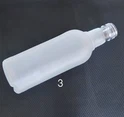
- Bottles Glass Frosting Powder can be used to transform ordinary glass bottles into decorative items. Frosted bottles can be used for storing homemade cosmetics, candles, or as unique vases. The frosted finish adds a touch of elegance and privacy.
- Architectural Glass
- In the architectural field, glass frosting chemicals are widely used for Architectural Glass Wall Bathroom Enclosed Interior Decoration Block. Frosted glass provides privacy in bathrooms while still allowing light to pass through. It can also be used in office partitions, room dividers, and storefront displays to create a modern and stylish look.
Troubleshooting
- Uneven Frosting
- If the frosted surface is uneven, it could be due to an uneven application of the frosting chemical. You can try reapplying a thin layer of the chemical to the uneven areas and letting it dry.
- Peeling or Flaking
- Peeling or flaking of the frosted layer may occur if the glass surface was not properly cleaned before application or if the frosting chemical was not mixed correctly. In this case, you may need to remove the existing frosted layer using a glass cleaner and sandpaper, and then re - apply the chemical following the proper procedures.
- Streaks
- Streaks can be caused by using a dirty brush or uneven application. If streaks appear, you can try lightly sanding the frosted surface with fine - grit sandpaper and then reapplying a thin layer of the frosting chemical.
Why Choose Our Glass Frosting Chemicals
As a leading Glass Frosting Chemical supplier, we offer high - quality products that are safe, effective, and easy to use. Our Glass Frosting Powder is formulated to provide a consistent and long - lasting frosted effect on various types of glass. We also offer a wide range of options for different applications, whether it's for small DIY projects or large - scale architectural installations.
If you are interested in purchasing our glass frosting chemicals or have any questions about their application, please feel free to contact us for a detailed discussion. We are committed to providing you with the best products and professional advice to meet your needs.
References
- Manufacturer's instructions for glass frosting chemicals
- Industry standards and best practices for glass treatment and decoration