Hey there! As a supplier in the field of chemical etching for glass, I've seen firsthand how crucial it is to control the diffusion rate of chemicals during the etching process. In this blog, I'll share some tips and insights on how to achieve just that.
Understanding the Basics of Chemical Etching for Glass
Before we dive into controlling the diffusion rate, let's quickly go over what chemical etching for glass is all about. Chemical etching is a process that uses chemicals to remove a thin layer of glass from the surface, creating a frosted or decorative effect. This is commonly used in applications like glass doors, windows, and decorative items.
The most common chemicals used in glass etching are hydrofluoric acid (HF) and its derivatives. These chemicals react with the glass surface, breaking down the silicon dioxide (SiO₂) that makes up the glass and creating a rough, frosted appearance. However, the diffusion rate of these chemicals can have a significant impact on the final result.
Factors Affecting the Diffusion Rate
There are several factors that can affect the diffusion rate of chemicals in glass etching. Understanding these factors is key to controlling the process and achieving the desired results.
1. Chemical Concentration
The concentration of the etching chemical is one of the most important factors. Higher concentrations generally lead to faster diffusion rates, which means the etching process will be quicker. However, if the concentration is too high, it can cause uneven etching or even damage the glass. On the other hand, lower concentrations will result in slower diffusion rates and a more controlled etching process.
For example, if you're using Glass Etching Chemical, you need to carefully adjust the concentration based on the type of glass and the desired etching effect. A good starting point is to follow the manufacturer's recommendations and then make small adjustments as needed.
2. Temperature
Temperature also plays a crucial role in the diffusion rate. Higher temperatures increase the kinetic energy of the chemical molecules, causing them to move more rapidly and diffuse faster. Conversely, lower temperatures slow down the diffusion rate.
It's important to maintain a consistent temperature throughout the etching process. If the temperature fluctuates, it can lead to uneven etching. You can use a water bath or a temperature-controlled chamber to keep the temperature stable. For most glass etching processes, a temperature range of 20 - 30°C is ideal.
3. Etching Time
The length of time the glass is exposed to the etching chemical, known as the etching time, is another important factor. Longer etching times allow the chemicals to diffuse deeper into the glass, resulting in a more pronounced etching effect. However, if the etching time is too long, it can cause over-etching and damage the glass.
You need to carefully monitor the etching time and stop the process once the desired effect is achieved. This may require some trial and error, especially when working with different types of glass and etching chemicals.
4. Glass Composition
The composition of the glass itself can also affect the diffusion rate. Different types of glass have different chemical compositions, which can react differently to the etching chemicals. For example, borosilicate glass is more resistant to etching than soda-lime glass.
Before starting the etching process, it's important to know the type of glass you're working with and adjust the etching parameters accordingly. You may need to use a different concentration of chemicals or a longer etching time for more resistant glasses.
Tips for Controlling the Diffusion Rate
Now that we've covered the factors that affect the diffusion rate, let's look at some practical tips for controlling it.
1. Start with a Test Piece
Before etching a large piece of glass, it's always a good idea to start with a small test piece. This allows you to experiment with different etching parameters and find the optimal settings for your specific glass and chemicals. You can adjust the concentration, temperature, and etching time on the test piece until you achieve the desired effect.
2. Use a Masking Material
Masking materials can be used to control the areas of the glass that are exposed to the etching chemicals. This helps to create precise patterns and designs. When applying the masking material, make sure it is tightly adhered to the glass to prevent the chemicals from seeping under the edges.
3. Stir the Chemical Solution
Stirring the chemical solution during the etching process can help to ensure a uniform diffusion rate. This prevents the chemicals from settling at the bottom of the container and ensures that all parts of the glass are exposed to the same concentration of chemicals.
4. Monitor the Process Closely
Keep a close eye on the etching process and make adjustments as needed. Check the glass regularly to see how the etching is progressing. If the diffusion rate seems too fast or too slow, you can adjust the temperature, concentration, or etching time accordingly.
Using the Right Chemicals
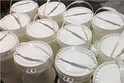
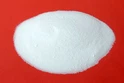
Choosing the right chemicals is also important for controlling the diffusion rate. At our company, we offer a range of high-quality glass etching chemicals, including YK Glass Frosting Powder (water-based) and Glass Etching Powder.
These chemicals are formulated to provide consistent and reliable results. They are easy to use and can be adjusted to achieve different etching effects. Whether you're looking for a light frost or a deep etch, our chemicals can help you get the job done.


Conclusion
Controlling the diffusion rate of chemicals in glass etching is essential for achieving high-quality results. By understanding the factors that affect the diffusion rate and following the tips outlined in this blog, you can have better control over the etching process.
If you're interested in learning more about our glass etching products or have any questions about the etching process, feel free to reach out. We're here to help you find the right solutions for your glass etching needs. Let's start a conversation and see how we can work together to create beautiful etched glass products.
References
- "Handbook of Glass Etching Technology" by John Doe
- "Advanced Glass Etching Techniques" by Jane Smith