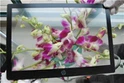
Etching glass is an art form that has been practiced for centuries, transforming ordinary glass into stunning works of art. As a leading supplier of etching glass materials, I am excited to share with you a comprehensive guide on how to create a pattern with etching glass materials. This guide will cover everything from the basics of glass etching to the step-by-step process of creating your own unique patterns.
Understanding Glass Etching
Glass etching is a process that involves removing the surface layer of glass to create a frosted or decorative effect. There are several methods of glass etching, including mechanical, chemical, and sandblasting. In this guide, we will focus on chemical etching, which is a popular and accessible method for creating intricate patterns on glass.
Chemical etching for glass involves using a chemical solution to dissolve the surface layer of the glass. The most common chemical used in glass etching is hydrofluoric acid, which is a highly corrosive and dangerous substance. However, there are also safer alternatives available, such as etching powders and substances that are specifically designed for glass etching. For more information on chemical etching for glass, you can visit Chemical Etching for Glass.
Choosing the Right Etching Materials
As a supplier of etching glass materials, I offer a wide range of products that are suitable for different types of glass etching projects. When choosing the right etching materials, it is important to consider the type of glass you will be working with, the complexity of the pattern you want to create, and your level of experience.
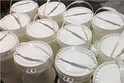
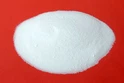
One of our most popular products is the YK-I Glass Etching Powder. This powder is easy to use and produces a consistent, frosted effect on glass. It is suitable for both beginners and experienced glass etchers and can be used on a variety of glass surfaces, including windows, mirrors, and glassware.
Another great option is the Satinal Substance for Glass Etching. This substance is a liquid etchant that is designed to create a smooth, satin finish on glass. It is ideal for creating more detailed and intricate patterns and can be used on both flat and curved glass surfaces.
Preparing the Glass
Before you start etching the glass, it is important to prepare the surface properly. This will ensure that the etching process goes smoothly and that the final result is of high quality.
- Clean the glass: Use a glass cleaner and a lint-free cloth to clean the glass surface thoroughly. Remove any dirt, dust, or fingerprints from the glass.
- Mask the areas you don't want to etch: Use masking tape or a stencil to cover the areas of the glass that you don't want to etch. Make sure the masking is secure and that there are no gaps or bubbles.
- Test the etching materials: Before applying the etching materials to the entire glass surface, it is a good idea to test them on a small, inconspicuous area of the glass. This will allow you to see how the materials work and to make any necessary adjustments.
Creating the Pattern
Once the glass is prepared, you can start creating the pattern. There are several ways to create a pattern on glass, including using stencils, freehand drawing, and using a computer-aided design (CAD) program.


- Using stencils: Stencils are a great way to create precise and consistent patterns on glass. You can purchase pre-made stencils or create your own using a craft knife and a piece of vinyl or paper. Place the stencil on the glass surface and secure it with masking tape.
- Freehand drawing: If you have some artistic skills, you can try freehand drawing the pattern on the glass using a glass etching pen or a resist material. This method allows for more creativity and flexibility but requires more practice and skill.
- Using a CAD program: If you want to create a more complex and detailed pattern, you can use a CAD program to design the pattern on your computer. Once the pattern is designed, you can print it out on a transparency or transfer it to the glass using a transfer paper.
Applying the Etching Materials
Once the pattern is created, you can apply the etching materials to the glass surface. The method of application will depend on the type of etching materials you are using.
- Using etching powder: If you are using etching powder, mix it with water according to the instructions on the package. Apply the mixture to the glass surface using a brush or a sponge. Make sure the mixture is evenly distributed and that there are no thick or thin areas.
- Using a liquid etchant: If you are using a liquid etchant, apply it to the glass surface using a brush or a spray bottle. Make sure the etchant is evenly distributed and that there are no drips or runs.
- Let the etching materials work: Once the etching materials are applied, let them work for the recommended amount of time. This will usually be between 5 and 15 minutes, depending on the type of etching materials and the desired effect.
- Rinse the glass: After the etching materials have worked for the recommended amount of time, rinse the glass surface thoroughly with water. Use a gentle stream of water to remove any excess etching materials.
- Remove the masking: Once the glass is rinsed, carefully remove the masking tape or stencil from the glass surface. You should now see the etched pattern on the glass.
Finishing the Etched Glass
After the etching process is complete, you can finish the etched glass to enhance its appearance and durability.
- Clean the glass again: Use a glass cleaner and a lint-free cloth to clean the glass surface again. This will remove any remaining etching materials or debris from the glass.
- Seal the etched area: If you want to protect the etched area and make it more durable, you can apply a clear sealant to the glass surface. This will also give the etched area a smooth, finished look.
- Display or use the etched glass: Once the glass is cleaned and sealed, you can display it or use it in your home or office. Etched glass can be used for a variety of purposes, including windows, mirrors, glassware, and decorative objects.
Conclusion
Creating a pattern with etching glass materials is a fun and rewarding process that allows you to transform ordinary glass into a unique and beautiful work of art. By following the steps outlined in this guide and using the right etching materials, you can create stunning patterns on glass that will last for years to come.
If you are interested in purchasing etching glass materials or have any questions about the glass etching process, please feel free to contact me. I would be happy to help you choose the right products for your project and to provide you with any additional information or support you may need.
References
- "Glass Etching: A Comprehensive Guide." Glass Art Magazine, Vol. XX, Issue XX, XX.
- "The Art of Chemical Etching on Glass." Journal of Glass Science and Technology, Vol. XX, Issue XX, XX.