As a seasoned supplier of Frosted Glass Material, I've witnessed firsthand the transformative power of this remarkable product in various industries. The frost quality of Frosted Glass Material is a multifaceted concept that encompasses several key aspects, each contributing to its unique appeal and functionality. In this blog post, I'll delve into the intricacies of frost quality, exploring the factors that influence it and the benefits it offers.
Understanding Frost Quality
Frost quality refers to the visual and tactile characteristics of the frosted surface on glass. A high-quality frost is characterized by a uniform, smooth, and consistent appearance that diffuses light evenly, creating a soft, hazy effect. This not only enhances the aesthetic appeal of the glass but also provides privacy and reduces glare.
The frost quality is primarily determined by the manufacturing process and the type of frosting material used. There are several methods for creating a frosted surface on glass, including acid etching, sandblasting, and the use of chemical frosts. Each method has its own advantages and disadvantages, and the choice of method depends on the specific requirements of the application.
Factors Influencing Frost Quality
Manufacturing Process
The manufacturing process plays a crucial role in determining the frost quality. Acid etching, for example, involves the use of hydrofluoric acid to dissolve the surface of the glass, creating a rough, frosted texture. This method can produce a high-quality frost with excellent light diffusion, but it requires careful control of the etching time and concentration to ensure a uniform finish.
Sandblasting, on the other hand, uses compressed air to propel abrasive particles at the glass surface, creating a frosted effect. This method is relatively quick and cost-effective, but it can result in a more uneven surface with a coarser texture.

Chemical frosts are another popular method for creating a frosted surface on glass. These frosts typically contain a combination of chemicals that react with the glass surface to create a smooth, frosted finish. Chemical frosts offer several advantages, including ease of application, consistent results, and the ability to create a variety of frost effects.
Frosting Material
The type of frosting material used also has a significant impact on the frost quality. Different frosting materials have different chemical compositions and properties, which can affect the appearance, durability, and performance of the frosted surface.
For example, some frosting materials are designed to create a fine, smooth frost that is ideal for applications where a high level of clarity and light diffusion is required. Other frosting materials may be formulated to create a more textured or matte finish, which can add a unique visual element to the glass.
In addition to the chemical composition, the quality of the frosting material can also vary depending on the manufacturer. It's important to choose a high-quality frosting material from a reputable supplier to ensure consistent results and long-lasting performance.
Glass Type and Quality
The type and quality of the glass used can also influence the frost quality. Different types of glass have different surface properties, which can affect the adhesion and performance of the frosting material.
For example, tempered glass has a harder surface than annealed glass, which can make it more difficult to achieve a uniform frost. Similarly, low-iron glass has a higher clarity and fewer impurities than standard glass, which can result in a more consistent and high-quality frost.
It's important to choose the right type of glass for the application and to ensure that the glass is clean and free of contaminants before applying the frosting material. This will help to ensure a strong bond between the frosting material and the glass surface, resulting in a durable and long-lasting frosted finish.
Benefits of High-Quality Frosted Glass Material
Aesthetic Appeal
One of the primary benefits of high-quality Frosted Glass Material is its aesthetic appeal. The frosted surface adds a touch of elegance and sophistication to any application, making it a popular choice for interior design, architecture, and decorative purposes.
The soft, hazy effect created by the frosted glass can create a sense of privacy and intimacy, while still allowing light to pass through. This makes it ideal for use in bathrooms, bedrooms, and other areas where privacy is desired.
In addition to its privacy benefits, frosted glass can also be used to create a visually striking focal point in a room. The unique texture and appearance of the frosted surface can add depth and interest to a space, making it more inviting and engaging.
Privacy and Glare Reduction
Another significant benefit of high-quality Frosted Glass Material is its ability to provide privacy and reduce glare. The frosted surface diffuses light evenly, making it difficult to see through the glass from the outside. This makes it an ideal choice for use in windows, doors, and partitions where privacy is a concern.
In addition to its privacy benefits, frosted glass can also help to reduce glare from sunlight and artificial light sources. The diffused light created by the frosted surface can create a more comfortable and inviting environment, making it easier to work, relax, and enjoy your surroundings.
Durability and Longevity
High-quality Frosted Glass Material is also known for its durability and longevity. The frosting process creates a hard, scratch-resistant surface that is resistant to wear and tear. This makes it ideal for use in high-traffic areas and applications where the glass is likely to be exposed to moisture, chemicals, and other environmental factors.
In addition to its durability, frosted glass is also easy to clean and maintain. A simple wipe with a damp cloth is usually all that is needed to keep the frosted surface looking clean and new.
Applications of Frosted Glass Material
Interior Design
Frosted Glass Material is widely used in interior design to create a variety of functional and decorative elements. It can be used for windows, doors, partitions, shower enclosures, cabinet doors, and more. The frosted surface adds a touch of elegance and sophistication to any space, while still allowing light to pass through.
For example, frosted glass partitions can be used to divide a large room into smaller, more intimate spaces without sacrificing natural light. The frosted surface provides privacy while still maintaining a sense of openness and connection.
In addition to its functional benefits, frosted glass can also be used to create a visually striking focal point in a room. A frosted glass backsplash in a kitchen or a frosted glass shower enclosure in a bathroom can add a touch of luxury and style to the space.
Architecture
Frosted Glass Material is also commonly used in architecture to enhance the aesthetic appeal and functionality of buildings. It can be used for facades, skylights, atriums, and other architectural elements. The frosted surface can add a unique visual element to the building, while still allowing light to penetrate the interior.
For example, a frosted glass facade can create a sense of mystery and intrigue, while still allowing passersby to catch a glimpse of the interior. The diffused light created by the frosted surface can also help to reduce glare and heat gain, making the building more energy-efficient.
In addition to its aesthetic and energy-saving benefits, frosted glass can also provide privacy and security for the building occupants. A frosted glass skylight, for example, can allow natural light to enter the building while still preventing outsiders from seeing inside.
Decorative Purposes
Frosted Glass Material is also popular for use in decorative applications. It can be used to create a variety of decorative items, such as vases, bowls, mirrors, and picture frames. The frosted surface adds a touch of elegance and sophistication to these items, making them more visually appealing.
For example, a frosted glass vase filled with flowers can create a beautiful centerpiece for a table or a mantel. The frosted surface of the vase will diffuse the light, creating a soft, romantic glow that enhances the beauty of the flowers.
In addition to its decorative benefits, frosted glass can also be used to create a unique and personalized gift. A frosted glass picture frame with a photo of a loved one can be a thoughtful and meaningful gift that will be cherished for years to come.
Examples of Frosted Glass Applications
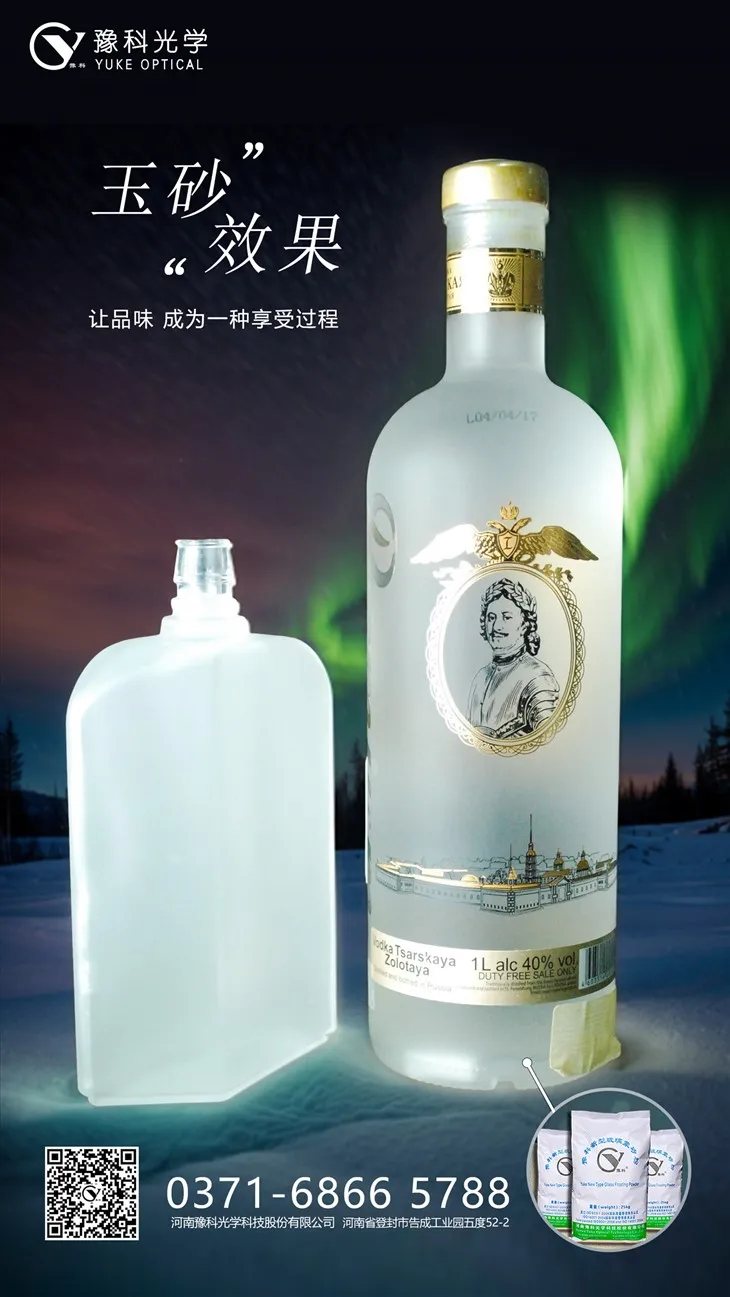
Matte Surface On The Vodka Bottle
Frosted glass is often used to create a matte surface on vodka bottles. The frosted surface not only adds a touch of elegance and sophistication to the bottle but also helps to protect the vodka from sunlight, which can cause it to spoil.
A Bottle Of Wine Водка Vodka Whisky Glass Bottle
In addition to vodka bottles, frosted glass is also commonly used for wine, whisky, and other alcoholic beverage bottles. The frosted surface can help to create a unique and memorable brand image, while also providing a level of privacy and protection for the contents of the bottle.
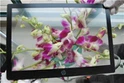
Satin Chemical For AG Glass Production
Satin chemicals are often used in the production of anti-glare (AG) glass, which is a type of frosted glass that is designed to reduce glare and reflections. AG glass is commonly used in electronic devices, such as televisions, computer monitors, and smartphones, as well as in architectural applications, such as windows and skylights.
Contact Us for High-Quality Frosted Glass Material
If you're looking for high-quality Frosted Glass Material for your next project, look no further. As a leading supplier of Frosted Glass Material, we offer a wide range of products and services to meet your specific needs and requirements.
Our team of experts has years of experience in the glass industry and can provide you with professional advice and guidance on the best type of Frosted Glass Material for your application. We use only the highest quality materials and manufacturing processes to ensure that our products meet the highest standards of quality and performance.
Whether you're an interior designer, architect, contractor, or homeowner, we can help you find the perfect Frosted Glass Material for your project. Contact us today to learn more about our products and services and to request a free quote.
References
- Glass Association of North America. (n.d.). Frosted Glass. Retrieved from https://www.glasswebsite.com/
- International Window Film Association. (n.d.). Frosted Window Film. Retrieved from https://www.iwfa.com/
- National Glass Association. (n.d.). Frosted Glass Applications. Retrieved from https://www.glass.org/