Hey there! I'm a supplier in the acid etching for glass business, and today I'm gonna share with you how to create a soft - edged design with acid etching for glass. It's a super cool technique that can transform ordinary glass into something truly special.
Understanding Acid Etching for Glass
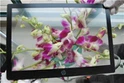
First off, let's get a basic understanding of acid etching. Acid etching is a process where we use acidic substances to remove the surface layer of glass, creating a frosted or textured effect. It's been around for ages and is used in all sorts of applications, from decorative glassware to architectural glass.
The key to getting that soft - edged design lies in the preparation and execution of the acid - etching process. We need to control the way the acid interacts with the glass to create those smooth, flowing edges.
Materials You'll Need
Before we start, let's talk about the materials. As a supplier, I've got a good idea of what works best. You'll need a few essential items:
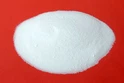
- Glass Etching Powder: This is the main ingredient. You can find high - quality Glass Etching Powder that's formulated to give a consistent and smooth etching effect. It usually comes in a powder form that you mix with water to create an etching solution.
- Masking Material: To create your design, you'll need something to mask off the areas of the glass that you don't want to etch. There are different types of masking materials available, like vinyl stencils or masking tape.
- Safety Equipment: Acid etching involves working with chemicals, so safety is crucial. You'll need gloves, goggles, and a respirator to protect yourself from the fumes.
- Brushes and Applicators: You'll need brushes or applicators to apply the etching solution to the glass. Make sure they're clean and in good condition.
Preparing the Glass
The first step is to prepare the glass surface. Start by cleaning the glass thoroughly. Any dirt, grease, or fingerprints can affect the etching process. You can use a glass cleaner and a lint - free cloth to clean the glass. Make sure it's completely dry before you move on.
Next, you'll want to create your design. If you're using a stencil, carefully apply it to the glass surface. Make sure it's firmly attached and there are no air bubbles or gaps. If you're using masking tape, cut it into the shape of your design and apply it to the glass.
Mixing the Etching Solution
Now it's time to mix the etching solution. Follow the instructions on the Glass Etching Powder package carefully. Usually, you'll need to mix the powder with water in a specific ratio. Use a plastic or glass container to mix the solution, as metal can react with the acid.
Stir the solution well until the powder is completely dissolved. You'll notice that the solution starts to fizz a bit. This is normal and indicates that the etching process is starting to work.
Applying the Etching Solution
Once your solution is ready, it's time to apply it to the glass. Use a brush or applicator to carefully apply the solution to the exposed areas of the glass. Make sure you apply it evenly and cover the entire area.
To create that soft - edged design, you can use a technique called "feathering." This involves gently brushing the edges of the etching solution to blend it into the masked areas. You can do this by using a dry brush or a sponge to lightly touch the edges of the solution.


Letting the Etching Process Work
After applying the etching solution, you'll need to let it sit for a certain amount of time. The exact time depends on the type of etching powder you're using and the effect you want to achieve. Usually, it takes anywhere from a few minutes to half an hour.
Keep an eye on the glass as the etching process takes place. You'll notice that the glass starts to turn frosty. Once you're happy with the effect, rinse the glass thoroughly with water to stop the etching process.
Removing the Masking Material
Once the glass is rinsed and dry, it's time to remove the masking material. Carefully peel off the stencil or masking tape. You'll be left with your beautiful soft - edged design on the glass.
Finishing Touches
After removing the masking material, you can give the glass a final cleaning to remove any remaining residue. You can also polish the glass to give it a nice shine.
Applications of Soft - Edged Glass Designs
Soft - edged glass designs are incredibly versatile. They can be used in a variety of applications, such as:
- Decorative Glassware: You can create beautiful etched designs on wine glasses, beverage glasses, or even perfume bottles. Check out our Lime Soda Peach Drink Bottle Beverage Glass Bottle Wine Bottle With Special Efection for some inspiration.
- Architectural Glass: Soft - edged designs can add a touch of elegance to architectural glass, such as windows, doors, or partitions.
- Art and Crafts: You can use acid - etched glass in art projects, like creating wall hangings or decorative panels.
SATINAL MATERIAL FOR FROSTED GLASS PRODUCTION
If you're looking for an alternative or additional material for creating frosted glass effects, you might want to check out SATINAL MATERIAL FOR FROSTED GLASS PRODUCTION. It's a great option that can give you a different look and feel for your glass designs.
Conclusion
Creating a soft - edged design with acid etching for glass is a fun and rewarding process. With the right materials and techniques, you can transform ordinary glass into something truly unique.
If you're interested in purchasing the materials for acid etching or have any questions about the process, don't hesitate to reach out. We're here to help you bring your glass design ideas to life. Whether you're a professional glass artist or a DIY enthusiast, we've got the products and expertise to support you.
References
- Glass Etching: A Comprehensive Guide, Author Unknown
- The Art of Acid Etching on Glass, Various Contributors