Hey there! As a supplier of glass frosting materials, I've seen firsthand how crucial it is to pick the right stuff for your glass projects. Whether you're a DIY enthusiast or a professional in the glass industry, choosing the appropriate glass frosting material can make or break your end result. So, let's dive into some key factors to consider when making this important decision.
1. Type of Glass Surface
First things first, you need to think about the type of glass surface you'll be working on. Different glass surfaces require different frosting materials to achieve the best results.
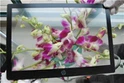
- Smooth Glass: If you're dealing with smooth glass, like the kind used in windows, mirrors, or picture frames, you have a few options. One popular choice is a spray-on frosting material. It's easy to apply and can give you a consistent, even finish. For example, there are spray products that create a beautiful Satin Effect On Vase. These sprays usually dry quickly and are great for small to medium-sized projects.
- Textured Glass: Textured glass, such as frosted or etched glass, needs a different approach. You might want to use a paste or gel frosting material. These can better adhere to the textured surface and provide a more uniform look. They're also useful for creating a more permanent frost effect, like the Cosmetic Container Bottle Jar White Color Permanent Frost.
2. Desired Frosting Effect
The look you're going for is another major factor. There are various frosting effects you can achieve, and each one requires a specific type of material.
- Satin Finish: A satin finish gives the glass a soft, smooth look, similar to the finish on a piece of satin fabric. To get this effect, you can use a material that contains fine abrasives. These abrasives gently etch the glass surface to create the satin appearance. Satin Effect Moulded Glass is a great example of what you can achieve with the right material.
- Matte Finish: A matte finish is more opaque and less reflective than a satin finish. It gives the glass a dull, non-shiny look. Some frosting powders or sprays are formulated specifically to create a matte effect. They work by creating a rough surface on the glass that scatters light, resulting in the matte appearance.
- Etched Design: If you want to create an etched design on the glass, you'll need a stencil and a frosting material that can be applied through the stencil. There are special etching creams and gels that are perfect for this. You simply apply the stencil to the glass, spread the frosting material over it, and then remove the stencil to reveal your design.
3. Durability
How long you want the frosting to last is an important consideration. Some frosting materials are more durable than others.
- Temporary Frosting: If you're looking for a temporary solution, like for a party or a short-term display, there are peel-and-stick frosting films available. These are easy to apply and remove without leaving any residue on the glass. They're also a great option if you want to change the look of your glass frequently.
- Permanent Frosting: For long-term projects, such as in a commercial building or a permanent home decor piece, you'll want a permanent frosting material. Acid-based frosting materials are known for their durability. They chemically etch the glass surface, creating a permanent change that won't wear off easily. However, they can be more dangerous to handle, so make sure to follow all safety precautions.
4. Safety
Safety should always be a top priority when working with glass frosting materials.
- Acid-Based Materials: As mentioned earlier, acid-based frosting materials are very effective but can be hazardous. They contain strong chemicals that can cause burns and other health problems if not used properly. If you choose to use an acid-based material, make sure to wear protective gear, such as gloves, goggles, and a mask, and work in a well-ventilated area.
- Non-Acid Materials: There are also non-acid frosting materials available that are generally safer to use. These are often water-based and have a lower risk of causing harm. They're a great option for DIYers and those who are new to glass frosting.
5. Cost
Of course, cost is a factor for most people. The price of glass frosting materials can vary widely depending on the type, brand, and quantity.
- Budget-Friendly Options: If you're on a tight budget, there are some affordable options available. For example, some spray-on frosting materials are relatively inexpensive and can still give you a good result. You can also look for generic or store-brand products that offer similar performance at a lower price.
- High-End Materials: On the other hand, if you're working on a high-end project or need a very specific frosting effect, you might be willing to invest in more expensive materials. Professional-grade acid-based frosting materials or high-quality stencils can cost more but can provide a superior finish.
6. Ease of Application
How easy the material is to apply can also influence your decision.


- Simple Application: Some frosting materials are very easy to apply, even for beginners. Spray-on products are usually the simplest, as you just need to shake the can and spray it onto the glass. Peel-and-stick films are also straightforward – just measure, cut, and apply.
- Complex Application: Other materials, like acid-based creams or gels, may require more skill and preparation. You need to follow the instructions carefully, including proper mixing and application techniques. They may also take longer to dry or set, so you need to be patient.
Conclusion
Choosing the right glass frosting material isn't always easy, but by considering these factors – the type of glass surface, the desired frosting effect, durability, safety, cost, and ease of application – you can make an informed decision. Whether you're looking to add a touch of privacy to your windows, create a beautiful decorative piece, or design a custom glass product, there's a frosting material out there that's perfect for your needs.
If you're still not sure which glass frosting material is right for your project, don't hesitate to reach out. We're here to help you find the best solution. Contact us to start a discussion about your specific requirements and let's work together to bring your glass vision to life.
References
- Glass Industry Handbook
- DIY Glass Frosting Guides